
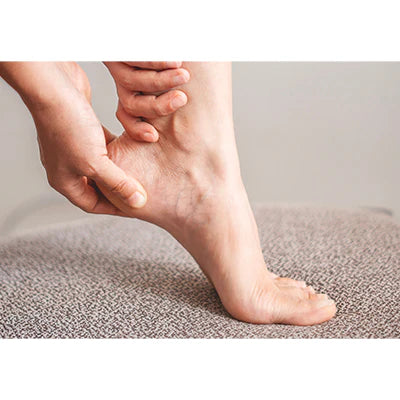
Summer is one of the most enjoyable seasons of the year -- but for people with diabetes, it comes with a set of foot care challenges that deserve serious attention. Heat, humidity, increased activity, sandals, bare feet on hot pavement, and more time spent outdoors all create conditions that raise the risk of foot injuries, infections, and complications that can escalate quickly when diabetes is in the picture.
The good news is that most diabetic foot problems are preventable. Understanding why your feet are more vulnerable and building a few consistent habits into your summer routine goes a long way toward staying active and complication-free all season long.
Why Diabetes Makes Foot Care So Important
Diabetes affects the feet through two interconnected mechanisms: nerve damage and circulation problems. Understanding both helps explain why seemingly minor foot issues can become serious very quickly.
Peripheral Neuropathy
High blood sugar over time damages the nerves in the feet and lower legs -- a condition called peripheral neuropathy. The most common result is reduced sensation: you may not feel pain, heat, pressure, or injury the way you normally would. A blister from a new pair of sandals, a pebble in your shoe, a sunburn on the top of your foot, or a small cut from walking barefoot -- all of these can go unnoticed for hours or days, giving a minor problem time to worsen significantly before you're even aware of it.
Neuropathy can also affect the small muscles in the feet, leading to changes in foot shape (like hammertoes or high arches) that create new pressure points and increase the risk of calluses and ulcers.
Poor Circulation
Diabetes is a major risk factor for peripheral artery disease, which reduces blood flow to the feet and lower legs. Poor circulation means wounds heal more slowly, the immune response in the feet is weaker, and infections that might clear up quickly in someone without diabetes can instead deepen and spread. This is why a small foot wound in a person with diabetes requires prompt attention -- it doesn't have the same self-healing capacity as it would otherwise.
Together, neuropathy and poor circulation create a situation where injuries happen more easily, are felt less readily, and heal more slowly. Summer conditions amplify all three of these risks.
Summer-Specific Foot Risks for People with Diabetes
Heat and Swelling
Hot weather causes feet to swell, which means shoes that fit fine in spring may feel tight in July and August. Tight shoes create pressure points that can lead to blisters, calluses, and ulcers -- especially if neuropathy means you're not feeling the discomfort signals that would normally tell you to loosen or change your footwear.
Heat also increases the risk of fungal infections like athlete's foot. Warm, sweaty feet inside shoes are ideal conditions for fungal growth, and people with diabetes are more susceptible to these infections and less likely to clear them quickly without treatment.
Sandals and Open-Toed Shoes
Flip-flops and open sandals are summer staples, but they offer almost no protection for diabetic feet. They leave the toes, heels, and soles exposed to cuts, scrapes, and punctures. They also provide no arch support, which can create strain and pressure point issues over time. Even a single day of walking in flat flip-flops can cause blisters or heel cracks that take weeks to heal.
This doesn't mean you can never wear sandals -- it means choosing them carefully. Look for sandals with a firm sole, ankle support, and minimal straps that could rub and cause blisters. Avoid anything completely flat or with thin foam soles.
Hot Surfaces
Sand, pavement, pool decks, and boat decks can reach temperatures that cause burns in seconds. With reduced sensation from neuropathy, you may not feel the heat until significant damage has already occurred. Burns on the feet are a serious concern for people with diabetes -- they are slow to heal and can become infected.
The rule is simple: never walk barefoot outdoors in summer. Always wear shoes or water-friendly footwear, even at the beach or around the pool.
Water Exposure
Swimming, lake days, and water parks are great summer activities, but prolonged water exposure softens the skin on the feet, making it more prone to cuts, abrasions, and fungal infections. Waterlogged skin between the toes is especially vulnerable to breakdown. Drying your feet thoroughly -- including between every toe -- after any water activity is essential.
Increased Activity
More walking, hiking, and outdoor activity in summer means more friction, more pressure, and more opportunity for blisters and injuries. New summer shoes that haven't been broken in are a particularly common culprit. Always break in new footwear gradually, and check your feet carefully after any activity that involves more walking than usual.
Daily Foot Care Habits for Summer
The foundation of diabetic foot care doesn't change by season, but summer requires extra vigilance. Here's what a good daily routine looks like:
Inspect your feet every day
This is the single most important habit. Check every surface of both feet -- tops, bottoms, sides, heels, and between the toes. You're looking for cuts, blisters, redness, swelling, warmth, calluses, cracked skin, or anything that looks different from yesterday. Use a mirror to see the bottom of your feet, or ask someone to help if you can't see clearly.
Do this in good light, and make it part of a routine -- before bed or after your shower works well for most people. A few seconds of daily inspection catches problems while they're still minor.
Wash and dry thoroughly
Wash your feet daily with mild soap and lukewarm water -- not hot water, which can burn skin that has reduced sensation. Dry thoroughly, paying special attention to the spaces between the toes where moisture lingers and fungal infections start.
Moisturize -- but not between the toes
Summer heat and frequent washing can dry out the skin on your feet, leading to cracking -- particularly on the heels. Cracked heels can develop into fissures that become entry points for infection. Apply a diabetic-appropriate foot cream or lotion to the tops and bottoms of your feet daily. Do not apply lotion between the toes -- moisture there encourages fungal growth.
Trim nails carefully
Trim toenails straight across, not curved, and file any sharp edges. Don't cut nails too short, and never cut into the corners. Ingrown toenails are a common and preventable source of serious infections in people with diabetes. If you have difficulty trimming your own nails safely due to reduced sensation or vision problems, a podiatrist can do this for you.
Never go barefoot outdoors
Indoors on clean floors, barefoot is generally fine. Outdoors -- including patios, pool decks, beaches, and grass -- always wear shoes or protective footwear. This one rule prevents a disproportionate number of diabetic foot injuries every summer.
Shake out your shoes before putting them on
A pebble, a twist of sock material, or a seam in the wrong place can create a pressure point that causes a blister or sore within a single day's walking -- and you may not feel it happening. Always shake out footwear and run your hand inside before putting them on.
Choosing Summer Footwear
Footwear is one of the most important decisions in diabetic foot care, and summer makes it harder because the most popular options -- sandals, flip-flops, and going barefoot -- are among the least safe.
What to look for in summer footwear:
- Closed toes whenever possible for daily walking and activity
- Breathable materials like mesh or leather to reduce sweating and fungal risk
- Cushioned soles that absorb impact and reduce pressure points
- Adequate width -- shoes that fit well in the morning may be snug by afternoon due to heat-related swelling. Shop for shoes late in the day when your feet are at their largest.
- No seams over pressure areas -- internal seams over bony prominences or the tops of toes are a common blister source
If you have significant neuropathy, foot deformities, or a history of foot ulcers, your doctor may recommend therapeutic footwear or custom orthotics. These are worth the investment -- diabetic foot complications are expensive and devastating compared to the cost of proper footwear.
Managing Blood Sugar -- the Upstream Prevention
All of the foot care habits above matter enormously, but it's worth remembering that the root of diabetic foot risk is blood sugar control. Better-controlled blood sugar means slower progression of neuropathy, better circulation, stronger immune response, and faster wound healing. Every improvement in your A1C and time in range reduces your foot complication risk downstream.
Summer can be challenging for blood sugar management -- heat affects how insulin is absorbed (faster in heat, which can increase hypoglycemia risk), activity levels change, and travel or disrupted routines affect eating patterns. Monitoring more frequently in summer and talking to your care team about any seasonal adjustments to your regimen is worthwhile.
When to Call Your Doctor
Don't wait and see with diabetic foot issues. Contact your healthcare provider promptly if you notice:
- Any wound, blister, or sore that hasn't started to improve within 24 hours
- Redness, warmth, or swelling around any foot injury
- Signs of infection -- pus, increasing pain, red streaks extending from the wound
- Any wound or sore on the bottom of the foot
- A new area of callus or a corn that is painful
- Any change in skin color -- particularly darkening or bluish discoloration
- Fever alongside a foot wound
In diabetic foot care, early intervention is everything. What looks like a minor issue can progress to a serious infection within days if circulation is compromised. A same-day or next-day call to your doctor is always the right move when something doesn't look right.
Keep Your Diabetic Supplies Stocked This Summer
Staying on top of your blood sugar monitoring is the foundation of foot protection -- and that means having reliable supplies on hand all summer long. At Best Buy Medical Supplies, we carry a full range of glucose meters, test strips, lancets, lancing devices, insulin syringes, and pen needles from trusted brands at competitive prices.
Browse our diabetic supplies collection to make sure you're stocked up and ready for the season.
Disclaimer: This information is intended for educational purposes only and should not replace advice from your healthcare provider. If you have diabetes and are experiencing any foot problems, contact your doctor or podiatrist promptly. Do not attempt to self-treat foot wounds or infections.