
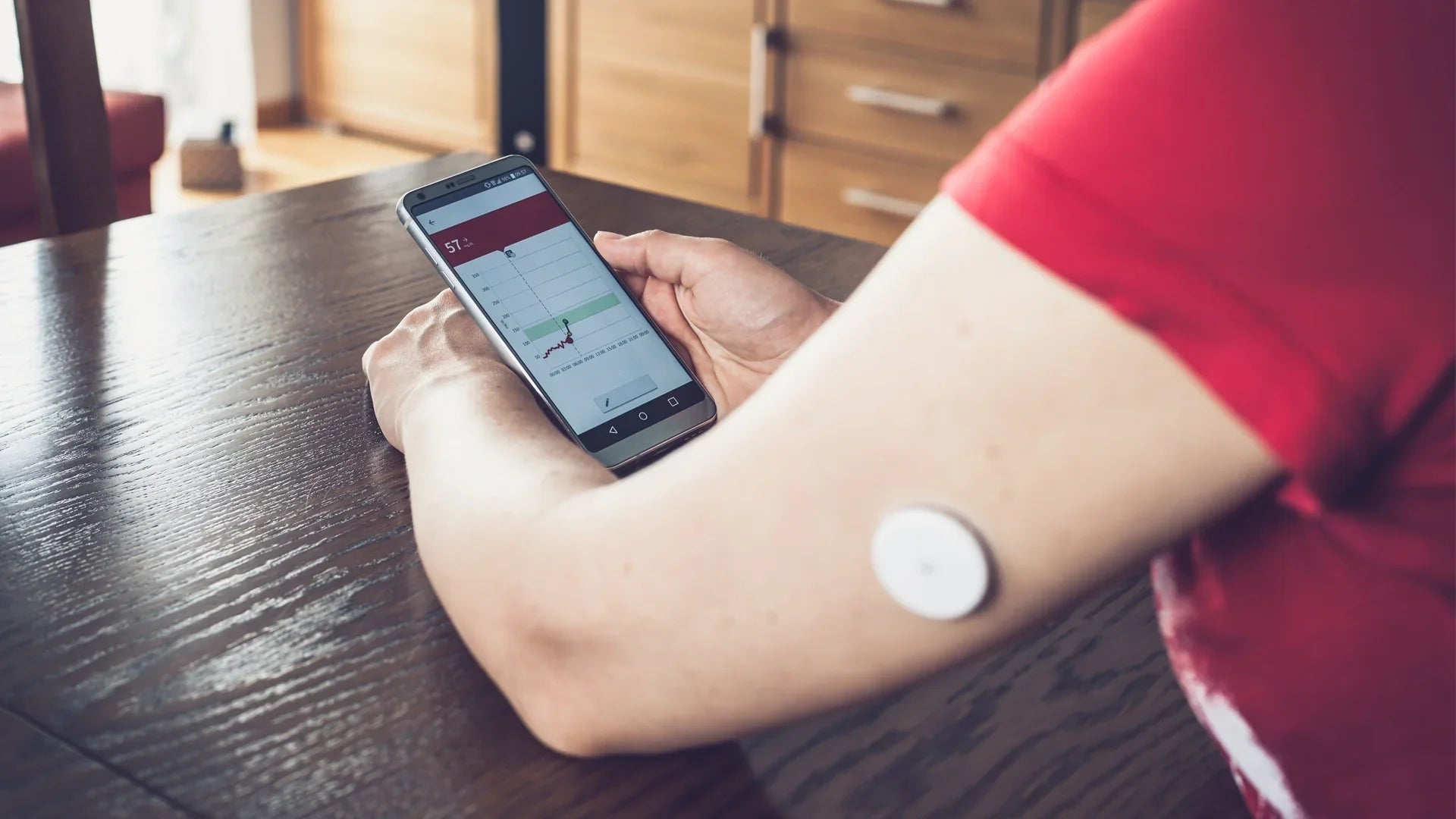
Selecting the right blood glucose meter is one of the most important decisions you will make in managing your diabetes. Your meter provides the data that guides your treatment decisions, from adjusting insulin doses to modifying your diet and exercise routine. Yet with dozens of models available, each claiming superior accuracy and convenience, how do you choose the one that truly meets your needs?
The reality is that not all glucose meters perform equally. Recent independent testing revealed that approximately 66% of commercially available meters do not consistently meet established accuracy standards, despite FDA approval. This variation in performance can significantly impact your diabetes management, potentially leading to incorrect dosing decisions or missed warning signs of dangerous blood sugar fluctuations.
This comprehensive guide cuts through the marketing claims to help you understand what truly matters when selecting a blood glucose monitoring system. From accuracy standards and sample size requirements to long-term costs and insurance coverage, you will learn how to evaluate meters based on factors that directly affect your daily diabetes management and overall health outcomes.
Whether you are newly diagnosed and choosing your first meter, or looking to upgrade from an older model, this guide provides the information you need to make an informed decision that supports your health goals and fits your lifestyle.
Understanding Blood Glucose Meter Accuracy
Accuracy is the single most important factor when selecting a blood glucose meter. Your treatment decisions, including how much insulin to take or whether you need emergency glucose, depend entirely on getting reliable readings. Understanding what meter accuracy means and how it is measured helps you make better choices.
What Accuracy Standards Mean
Blood glucose meters sold in the United States must meet accuracy standards established by the Food and Drug Administration (FDA) and the International Organization for Standardization (ISO). The current ISO 15197:2013 standard requires that 95% of meter readings fall within specific ranges when compared to laboratory reference values.
For glucose readings below 100 mg/dL, the meter result must be within plus or minus 15 mg/dL of the lab value. For readings at or above 100 mg/dL, the meter must be within plus or minus 15% of the lab value. While these standards provide a baseline for acceptable performance, they still allow for considerable variation that could affect treatment decisions.
Consider what this means in practice. If your actual blood glucose is 80 mg/dL, a meter reading anywhere from 65 to 95 mg/dL would technically meet the accuracy standard. Similarly, if your blood glucose is 200 mg/dL, readings from 170 to 230 mg/dL would be considered acceptable. These ranges can span the difference between normal and concerning values, highlighting why choosing a meter with superior accuracy matters.
Why Some Meters Are More Accurate Than Others
Several technological factors contribute to meter accuracy. The chemistry used in test strips, the calibration method, and how well the meter compensates for interfering substances all play crucial roles.
Modern meters use either glucose oxidase or glucose dehydrogenase enzyme systems to measure blood glucose. The quality and stability of these enzymes directly affect accuracy. Additionally, factors like hematocrit (the proportion of red blood cells in your blood), certain medications, altitude, and temperature can interfere with readings. The best meters include technology to detect and correct for these variables automatically.
Independent studies have shown that meters can vary significantly in their real-world accuracy. Some consistently perform well above minimum standards, while others barely meet them. When possible, look for meters that have been independently tested and demonstrated accuracy beyond the basic requirements.
Factors That Affect Your Meter Readings
Even an accurate meter can produce unreliable results if not used correctly. Understanding what affects readings helps you get the most accurate results possible.
User technique accounts for a significant portion of inaccurate readings. Insufficient blood sample size, dirty meters, expired test strips, improper strip storage, and testing with cold hands all contribute to errors. Many of these factors are within your control through proper technique and maintenance.
Additionally, certain medical conditions and substances can interfere with readings. Very high or low hematocrit levels, severe dehydration, low blood pressure, and certain medications (particularly high-dose vitamin C) may affect results. Discuss these potential issues with your healthcare provider, especially if you notice readings that do not match how you feel.
Sample Size Requirements: Why Smaller Is Better
The amount of blood required for testing has decreased dramatically over the past two decades. Modern meters typically require between 0.3 and 1.0 microliters of blood, compared to 10 or more microliters needed by older models. This reduction makes testing less painful and more practical for frequent monitoring.
Understanding Microliter Measurements
A microliter is one-millionth of a liter, an extremely small volume. To put this in perspective, 0.5 microliters is roughly the size of a small pinhead. The smaller the required sample, the less deeply you need to lance your finger, resulting in less pain and faster healing.
Meters requiring 0.5 microliters or less offer significant advantages for people who test frequently. The True Metrix Blood Glucose Meter requires only 0.5 microliters, making it one of the most sample-efficient meters available. This small sample requirement means you can use a shallower lancing depth and thinner lancets, reducing discomfort substantially.
The Glucocard Vital Blood Glucose Meter also requires just 0.5 microliters, delivering results in seven seconds. This combination of minimal blood volume and quick results makes frequent testing more tolerable.
Benefits of Small Sample Requirements
Using less blood per test provides multiple advantages beyond just reduced pain. Shallow lancing depths minimize tissue damage, allowing test sites to heal more quickly. This is particularly important for people who test four or more times daily, as repeated deep lancing can cause calluses and nerve damage over time.
Smaller samples also reduce the likelihood of wasted test strips. With meters requiring larger samples, you may need to squeeze your finger repeatedly to produce enough blood, potentially contaminating the sample with tissue fluid. If the blood flow stops before you get enough on the strip, you must discard that strip and start over with a fresh lancet and strip. Meters requiring minimal blood significantly reduce this waste.
For people with circulation problems, neuropathy, or thick skin, producing large blood drops can be challenging. A meter requiring only 0.5 microliters is much easier to use successfully, especially for elderly patients or those with diabetic complications affecting their hands.
Alternate Site Testing Considerations
Some meters allow you to test using blood from your palm, forearm, thigh, or calf instead of your fingertip. While this sounds appealing for giving your fingers a break, alternate site testing has important limitations you should understand.
Blood in alternate sites reflects glucose changes more slowly than fingertip blood because of differences in circulation. When your blood sugar is changing rapidly (such as during exercise, after meals, or if you are experiencing hypoglycemia), alternate site readings may lag behind your actual blood glucose by 20 to 30 minutes.
This delay makes alternate site testing unsafe in certain situations. Never use alternate site testing when you suspect low blood sugar, within two hours after eating, after exercise, during illness, or any time your blood sugar is changing quickly. Reserve alternate site testing for times when your glucose is stable, such as before meals or bedtime. Always verify with a fingertip test if an alternate site reading does not match how you feel.
Key Features to Consider When Choosing a Meter
Beyond accuracy and sample size, several features can significantly impact your experience with a glucose meter. Some features add genuine convenience, while others are primarily marketing gimmicks. Understanding which features matter helps you choose a meter that fits your lifestyle.
Coding: Automatic vs Manual
Test strip coding compensates for manufacturing variations between different batches of test strips. Older meters required manual coding, meaning you had to enter a code number printed on each new strip container. Forgetting to update this code or entering it incorrectly could cause inaccurate readings.
Modern no-coding technology eliminates this potential source of error. The meter automatically recognizes each strip and adjusts accordingly. Both the True Metrix meter and Glucocard Vital meter feature automatic coding, removing one potential source of user error and making testing simpler.
Manual coding meters are less expensive but require diligent attention to detail. If you frequently forget to code your meter or find the process confusing, the convenience of automatic coding is worth the modest price difference.
Test Speed: How Fast Is Fast Enough
Modern meters deliver results in 4 to 7 seconds, a dramatic improvement over the 30 to 45 seconds required by older models. The Glucocard Vital provides results in 7 seconds, while the True Metrix delivers readings in just 4 seconds.
While faster is generally better, the difference between 4 and 7 seconds rarely matters in practical use. What does matter is consistency. Look for meters that reliably deliver results within their stated time frame, as delays often indicate problems with the sample or strip.
Some situations where faster results provide real benefits include testing young children who have difficulty staying still, testing during activities when you need to make quick decisions, or simply reducing the anxiety of waiting for results.
Memory Capacity and Data Tracking
All modern meters store previous test results, but capacity varies significantly. Entry-level meters may store 50 to 100 readings, while more advanced models hold 500 or more results with date and time stamps.
The True Metrix stores 500 results with time and date, and includes event tagging that lets you mark readings as before meal, after meal, fasting, or other categories. This detailed tracking helps you and your healthcare provider identify patterns in your blood glucose control.
If you test multiple times daily and want to review trends, higher memory capacity is valuable. If you consistently log results elsewhere or download data frequently, basic memory may suffice. Consider your personal tracking habits when evaluating this feature.
Display Size and Readability
A large, clear display with backlight functionality matters more than many people initially realize, especially if you test in dim lighting or have any vision impairment. Numbers should be large enough to read at a glance without squinting.
Backlighting allows you to test at night without turning on lights, useful for bedtime checks or overnight testing. Color-coded displays that show readings in green (in range), yellow (caution), or red (out of range) provide quick visual feedback without requiring you to interpret numbers immediately.
The Glucocard Vital offers multiple display colors and clear, easy-to-read results, making it particularly suitable for older users or anyone with vision challenges.
Bluetooth Connectivity and Smartphone Apps
Many newer meters include Bluetooth connectivity, allowing automatic syncing of results to smartphone apps. These apps can generate charts, calculate averages, identify trends, and even share data with your healthcare provider or family members.
Bluetooth meters appeal to tech-savvy users who prefer digital tracking over paper logbooks. Apps can send reminders to test, analyze patterns you might miss, and make it easier to prepare for doctor visits by automatically generating reports.
However, Bluetooth connectivity typically increases meter cost and requires you to keep your smartphone nearby during testing. If you prefer simple, straightforward testing without technology complications, a basic meter may better suit your needs.
Understanding the Cost of Glucose Monitoring
When evaluating glucose meters, looking only at the meter price provides a dangerously incomplete picture. The ongoing cost of test strips represents the real expense of glucose monitoring, often exceeding $1,000 to $2,000 annually for people who test multiple times daily.
Meter Cost vs Strip Cost
Many manufacturers sell meters at very low prices or even give them away, knowing they will profit from test strip sales. This razor-and-blades business model means a $30 meter might seem affordable, but if its strips cost $2 each and you test four times daily, you will spend nearly $3,000 per year on strips alone.
Conversely, a $50 meter using strips that cost $0.50 each would cost only about $750 annually for the same testing frequency. Over time, the more expensive meter saves you significant money. Always calculate the annual strip cost based on your expected testing frequency before choosing a meter.
Test strip pricing varies dramatically by brand and where you purchase them. Generic or store-brand strips often cost significantly less than name-brand options, but they must be compatible with your specific meter. You cannot mix and match strips between different meter brands.
Calculating Your Annual Monitoring Costs
To determine your true monitoring costs, multiply the per-strip cost by your daily testing frequency, then multiply by 365 days. Add the cost of lancets (typically minimal, as many people reuse lancets despite recommendations to use each once) and any meter maintenance costs.
For example, if you test four times daily with strips costing $1.20 each, your annual strip cost is $1,752. If you can find equally accurate strips for $0.60 each, you save $876 per year. Over five years, that difference amounts to $4,380 in savings.
Consider creating a spreadsheet comparing your top meter choices with their corresponding strip costs at your expected testing frequency. This calculation often reveals that paying more upfront for a meter using less expensive strips saves substantial money long-term.
Insurance Coverage and Reimbursement
Insurance coverage for glucose meters and supplies varies widely between plans. Understanding your specific coverage is essential for making a cost-effective choice.
Medicare Coverage
Medicare Part B covers blood glucose meters, test strips, and lancets for all people with diabetes. The program typically covers 100 test strips and 100 lancets per month for people not using insulin, and 300 strips and 300 lancets per month for people using insulin. Some Medicare Advantage plans offer more generous coverage.
Medicare maintains a list of approved meters and may cover only certain brands. Check the Medicare supplier directory or contact Medicare directly to verify which meters are covered before purchasing. Using a non-covered meter means you will pay full price for all supplies, even if you have Medicare coverage.
Private Insurance Coverage
Private insurance plans vary significantly in their diabetes supply coverage. Some plans cover meters and strips with minimal copays, while others require you to meet a deductible first or limit coverage to specific brands.
Check your plan's formulary (the list of covered medications and supplies) to identify which meters and strips are covered. Your insurance may have negotiated better pricing with certain manufacturers, making specific brands significantly more affordable for you than others.
Many insurance plans have contracted with specific diabetes supply companies for mail-order delivery of strips. Using these preferred suppliers often results in lower out-of-pocket costs compared to purchasing strips at retail pharmacies.
FSA and HSA Eligibility
Blood glucose meters, test strips, and lancets are qualified medical expenses eligible for reimbursement from Flexible Spending Accounts (FSAs) and Health Savings Accounts (HSAs). This means you can purchase these supplies with pre-tax dollars, effectively reducing their cost by your tax rate.
Save all receipts for diabetes supplies, as you will need them to substantiate withdrawals from your HSA or to submit claims to your FSA administrator. For more information about using FSA and HSA funds for medical supplies, see our complete guide to FSA-eligible medical supplies.
Comparing Available Blood Glucose Meters
Understanding the specific features and benefits of available meters helps you make an informed choice. While dozens of meters exist, focusing on a few well-regarded options with strong accuracy profiles and reasonable costs provides a practical starting point.
True Metrix Blood Glucose Meter System
The True Metrix Blood Glucose Meter represents an excellent combination of accuracy, affordability, and advanced features. Its Triple Sense Technology simultaneously detects sample environment, sample size, and control solution presence, then analyzes environmental and physiological factors to correct for hematocrit and temperature variations automatically.
The 0.5 microliter sample requirement minimizes discomfort, while the 4-second test time provides quick results. With 500-reading memory including time and date stamps, event tagging, and audible fill detection, the True Metrix offers features typically found only on more expensive meters.
The meter automatically detects control solution, preventing confusion between control tests and blood glucose tests. This feature is particularly valuable for people new to glucose monitoring who might accidentally record control solution results as actual blood glucose readings.
True Metrix Test Strips are available in both 50-count and 100-count packages, allowing you to choose the quantity that best matches your testing frequency and budget. The strips feature the same Triple Sense Technology as the meter, working together to provide accurate results even when conditions are not ideal.
Glucocard Vital Blood Glucose Meter System
The Glucocard Vital Blood Glucose Meter offers fast, accurate monitoring with automatic coding for simplified operation. Using glucose oxidase technology, this meter delivers plasma-referenced results in just 7 seconds.
The 0.5 microliter sample requirement matches the True Metrix, providing comfortable testing with minimal blood. The meter stores 250 test results with time and date stamps, sufficient for most users to track patterns between doctor visits.
Automatic coding eliminates the need to manually enter codes when opening new strip containers, removing a common source of user error. The meter automatically turns on when you insert a test strip and shuts off after results are recorded, conserving battery life.
The Glucocard Vital supports alternate site testing from the palm or forearm, though as discussed earlier, this feature should be used only when blood glucose is stable. The meter comes with a five-year warranty, demonstrating the manufacturer's confidence in its reliability.
Accu-Chek and Contour Systems
For people whose insurance specifically covers Accu-Chek or Contour products, these established brands offer reliable monitoring solutions. Accu-Chek Guide Test Strips work with compatible Accu-Chek meters and feature proven accuracy.
Bayer Contour Test Strips use proprietary No Coding technology and come in a unique flip-top bottle that keeps strips fresh for up to six months after opening. The custom strip shape makes handling easier, particularly for users with dexterity challenges.
When choosing between brands, consider your insurance coverage first. If multiple options are covered equally, compare accuracy data, sample size requirements, and long-term strip costs to make your final decision.
Test Strip Compatibility and Purchasing
Test strips must exactly match your meter brand and model. You cannot use Accu-Chek strips in a True Metrix meter, or Contour strips in a Glucocard meter. This compatibility requirement locks you into purchasing strips for your specific meter for as long as you use that device.
Ensuring Strip Compatibility
Before purchasing strips, verify they match your meter model exactly. Some manufacturers produce multiple meter models, each requiring its own specific strips. Check both the meter and strip packaging to confirm compatibility.
When shopping online, always select strips explicitly listed as compatible with your meter. If unsure, contact customer service before ordering to confirm compatibility. Using incorrect strips will either fail to work entirely or produce inaccurate results.
Browse the complete selection of diabetic supplies to find options compatible with your meter. Product descriptions clearly indicate which meters each strip type works with.
Strip Storage and Expiration
Test strips contain enzymes that degrade over time, especially when exposed to heat, humidity, or air. Always store strips in their original container with the cap tightly closed. Keep them in a cool, dry place away from direct sunlight and moisture.
Check expiration dates before purchasing strips. While strips remain stable until their expiration date when properly stored, buying strips close to expiration risks wasting money if you cannot use them in time. Calculate how long a container will last based on your testing frequency to ensure you use strips before they expire.
Expired strips produce inaccurate results and should never be used. If you find yourself with expired strips, discard them properly rather than risk inaccurate readings that could lead to dangerous treatment decisions.
Control Solution Testing
Control solution allows you to verify your meter and strips are working correctly. Control solution contains a known amount of glucose, so testing it should produce a result within a specific range printed on the strip container.
Test with control solution when you open a new strip container, if you drop your meter, if you suspect inaccurate results, or weekly as part of regular maintenance. Following control solution testing recommendations helps catch problems before they affect your diabetes management.
Lancet Selection for Comfortable Testing
While often overlooked, lancet selection significantly affects testing comfort. Thinner lancets and adjustable lancing devices make frequent testing more tolerable.
Understanding Lancet Gauge
Lancet gauge measures needle thickness using an inverse scale - higher gauge numbers indicate thinner needles. A 33-gauge lancet is much thinner than a 28-gauge lancet, resulting in less pain during lancing.
The ACCU-CHEK FastClix Lancets provide convenient, one-click lancing with 30-gauge needles in a unique drum design that holds six lancets. This system eliminates the need to handle individual lancets, reducing both sharps handling and the temptation to reuse lancets excessively.
For people who test frequently and prefer thinner needles, Droplet Pen Needles are available in 31-gauge and 32-gauge options. While marketed as insulin pen needles, these ultra-thin needles demonstrate that thinner options exist for those who prioritize comfort.
Adjustable Lancing Depth
Lancing devices with adjustable depth settings allow you to customize how deeply the lancet penetrates based on your skin thickness and the required blood volume. Start with a shallow setting and increase depth only if you cannot obtain sufficient blood.
Deeper lancing causes more pain, tissue damage, and slower healing. Since modern meters require minimal blood, most people can use shallow lancing depths successfully. Experiment to find the shallowest setting that consistently produces enough blood for your meter.
Lancing Technique
Proper technique significantly affects both comfort and blood production. Lance the sides of your fingertips rather than the pads, as the sides have fewer nerve endings and blood vessels closer to the surface. Wash hands with warm water before testing, as warmth improves circulation and makes blood flow more easily.
Hang your hand at your side and shake it gently for a few seconds before lancing to increase blood flow to your fingertips. After lancing, squeeze gently near the puncture site rather than directly on it to encourage blood flow without contaminating the sample with tissue fluid.
Rotate testing sites among different fingers to allow healing time. If you test four or more times daily, avoid using the same finger more than once in a 24-hour period.
When and How Often to Test
Testing frequency and timing should be personalized based on your diabetes type, treatment plan, and blood glucose control. Work with your healthcare provider to determine an appropriate testing schedule for your specific situation.
Recommended Testing Times
Common testing times include:
Fasting (Upon Waking) - Fasting blood glucose reflects your baseline glucose control and how well your overnight diabetes management is working. Test immediately upon waking, before eating, drinking, or taking medication.
Before Meals - Pre-meal testing helps you determine appropriate insulin doses if you take mealtime insulin. It also provides baseline values for comparison with post-meal readings.
Two Hours After Meals - Post-meal testing shows how your body responds to food and whether your mealtime insulin doses (if applicable) are appropriate. Test exactly two hours after you start eating for consistent results.
Before Bedtime - Bedtime testing helps prevent overnight hypoglycemia, particularly if you take insulin. If readings are low at bedtime, you may need a snack to maintain safe glucose levels overnight.
Before and After Exercise - Exercise significantly affects blood glucose, often lowering it substantially. Test before exercise to ensure your glucose is safe for activity, and test afterward to check for delayed hypoglycemia.
When Feeling Unwell - Test whenever you have symptoms that might indicate high or low blood sugar, including shakiness, confusion, excessive thirst, frequent urination, or unusual fatigue.
Testing Frequency Based on Treatment
People with Type 1 diabetes who take insulin typically need to test at least four times daily: before each meal and at bedtime. Some endocrinologists recommend additional tests, including occasional overnight testing to check for nocturnal hypoglycemia.
People with Type 2 diabetes not taking insulin may test less frequently, perhaps once or twice daily at varying times to get a representative sample of their glucose control. Those taking sulfonylureas or insulin secretagogues should test more frequently due to hypoglycemia risk.
Work with your healthcare provider to establish a testing schedule appropriate for your treatment plan. Testing more frequently during illness, medication changes, or periods of poor control helps you and your provider make informed treatment adjustments.
Responding to Your Results
Testing serves little purpose if you do not use results to guide action. Learn your target blood glucose ranges and understand what to do when readings fall outside those targets.
Most adults with diabetes should aim for fasting glucose between 80-130 mg/dL and post-meal glucose below 180 mg/dL, but individual targets may vary. Discuss your specific targets with your healthcare provider, as tighter or looser control may be appropriate depending on your circumstances.
If you frequently see readings outside your target range, contact your healthcare provider to discuss treatment adjustments. Do not make significant medication changes without medical supervision, but do take appropriate immediate action for severe high or low readings as directed by your diabetes care plan.
Common Mistakes to Avoid
Even with an accurate meter, common user errors can compromise your results. Being aware of these mistakes helps you get reliable readings every time you test.
Using Expired Test Strips
Expired strips produce unreliable results. Always check expiration dates before purchasing strips and rotate stock to use older strips first. If you rarely test and have trouble using strips before they expire, purchase smaller quantities more frequently.
Testing with Dirty Hands
Residue from food, particularly sugar-containing foods, on your hands can contaminate blood samples and cause falsely elevated readings. Always wash hands with soap and warm water before testing. If washing is not possible, clean the lancing site with an alcohol wipe and allow it to dry completely before lancing.
Inadequate Blood Sample
Attempting to test with insufficient blood produces error messages or inaccurate results. If you cannot produce enough blood, warm your hands, hang your hand at your side, and massage gently toward the fingertip before lancing. Use a deeper lancing depth if necessary, though this should be a last resort.
Ignoring Control Solution Tests
Skipping control solution tests means you may not discover meter or strip problems until they cause inappropriate treatment decisions. Follow manufacturer recommendations for control testing frequency, particularly when opening new strip containers.
Reusing Lancets Excessively
While manufacturers recommend using each lancet only once, many people reuse lancets to reduce costs. If you reuse lancets, replace them at least daily and immediately if they become dull or bent. Excessively dull lancets require deeper lancing and cause more tissue damage.
Improper Strip Storage
Leaving strip containers open, storing strips in humid bathrooms, or exposing them to heat degrades the enzyme coating and produces inaccurate results. Always close strip containers immediately after removing a strip and store them according to package directions.
Working with Your Healthcare Provider
Your glucose meter provides data, but your healthcare provider helps you interpret that data and use it to optimize your diabetes management. Regular communication about your readings is essential for good outcomes.
Preparing for Appointments
Bring your meter to appointments so your provider can download results or review your logbook. If your meter has Bluetooth connectivity, you may be able to email reports before your appointment.
Prepare to discuss patterns you notice, times when control is particularly good or challenging, and any symptoms you experience that might relate to high or low blood glucose. Questions about adjusting medication, changing testing frequency, or improving control are all appropriate discussion topics.
When to Contact Your Provider Between Appointments
Contact your healthcare provider if you experience frequent hypoglycemia (glucose below 70 mg/dL), consistently high readings despite following your treatment plan, wide blood glucose fluctuations, or symptoms that do not match your meter readings.
Do not wait for a scheduled appointment if your diabetes control has changed significantly or if you have concerns about your management. Timely communication allows for treatment adjustments before problems escalate.
Exploring Your Options
Ready to choose a blood glucose monitoring system? Browse the complete collection of diabetic supplies to find meters, test strips, lancets, and accessories.
If you also use insulin, review our complete guide to choosing the right insulin syringe to understand needle gauge, barrel capacity, and proper injection technique. Optimal diabetes management requires both accurate monitoring and proper insulin delivery.
Conclusion
Choosing a blood glucose meter involves balancing accuracy, convenience, cost, and features to find a system that supports your diabetes management goals. While accuracy must be your primary consideration, factors like sample size requirements, strip costs, insurance coverage, and ease of use all contribute to whether you will test as frequently as needed for optimal control.
The best meter is one that provides accurate results consistently, requires minimal blood volume for comfortable testing, uses affordably priced strips, and includes features that genuinely improve your monitoring experience. Whether you choose the True Metrix system with its advanced Triple Sense Technology and extensive memory, the Glucocard Vital for its fast results and simple operation, or another system that meets your specific needs, selecting the right meter empowers you to take control of your diabetes management.
Work closely with your healthcare provider to determine appropriate testing frequency and target ranges for your situation. With the right monitoring system and a commitment to regular testing, you can achieve the glucose control necessary for long-term health and reduce your risk of diabetic complications.
Remember that technology continues to advance, with continuous glucose monitors (CGMs) offering an alternative to traditional fingerstick testing for some people with diabetes. Discuss with your provider whether a CGM might be appropriate for your situation, particularly if you take insulin, experience frequent hypoglycemia, or have difficulty achieving target blood glucose ranges despite diligent monitoring with a traditional meter.
Medical Disclaimer: This article is for informational purposes only and does not constitute medical advice. Blood glucose monitoring recommendations, testing frequency, and target ranges should always be established by your healthcare provider based on your individual health status, diabetes type, treatment plan, and risk factors. Never adjust diabetes medications, including insulin, without consulting your healthcare provider. If you experience symptoms of severe hypoglycemia (confusion, loss of consciousness, seizures) or hyperglycemia (extreme thirst, frequent urination, fruity breath odor, difficulty breathing), seek emergency medical attention immediately. The information provided here does not replace professional medical consultation, diagnosis, or treatment.