
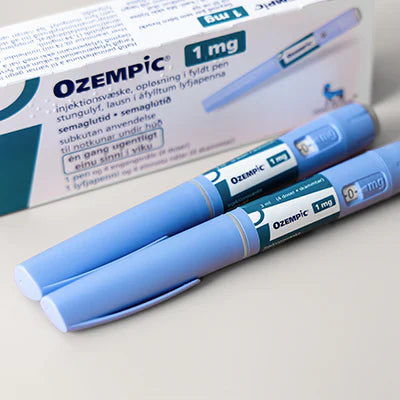
If you have a stoma or manage urinary incontinence, and you're either taking a GLP-1 medication like Ozempic, Wegovy, Mounjaro, or Zepbound -- or thinking about starting one -- there are some practical things you need to know that most healthcare providers aren't discussing yet.
GLP-1 receptor agonists are the most talked-about medications in the world right now. An estimated 13% of American adults have taken one, and that number keeps climbing with the recent approval of the first oral GLP-1 pill in early 2026. They work, and for many people they work dramatically -- average weight loss of 13 to 19% of body weight depending on the drug and dose. But that rapid, significant body change doesn't happen in a vacuum, and for people managing ostomies or incontinence, it creates some real, practical challenges that deserve a straight answer.
Here's what's actually happening, and what you can do about it.
GLP-1s and Ostomy Care: What Changes and Why
Your ostomy pouching system was fitted to your body at a specific point in time -- likely shortly after surgery, and then adjusted as post-operative swelling resolved. The fit depends on the shape and contour of the abdominal tissue surrounding your stoma. When that tissue changes significantly, your pouch fit changes too.
GLP-1 medications drive changes in two distinct ways: through the direct effects of the drug on your digestive system, and through the body composition changes that come with significant weight loss. Both matter.
Body Composition Changes and Barrier Fit
Rapid weight loss -- especially the kind driven by GLP-1s, which can produce 15% or more reduction in body weight over 6 to 12 months -- changes the shape and softness of the tissue around your stoma. Fat loss in the abdominal wall means contours shift, skin may become looser, and a barrier that once created a reliable seal can start lifting at the edges, creasing, or losing adhesion mid-wear.
Think of it the way the United Ostomy Associations of America describes barrier fit -- like buying shoes. A pair that fit perfectly two years ago may no longer fit the same foot today. The same principle applies here. Body changes require a reassessment of your entire pouching system, not just a quick fix.
If you're on a GLP-1 and noticing more frequent leaks, shorter wear time, or lifting around the edges of your barrier -- this is likely the reason. The solution isn't to apply more paste and hope for the best. It's to re-measure your stoma, reassess your body profile, and potentially switch barrier type, flange size, or convexity level.
Practical steps:
- Re-measure your stoma at every pouch change while actively losing weight -- stoma size and surrounding tissue can shift more quickly than you expect
- Switch to a cut-to-fit barrier if you're using a pre-cut, so you can adjust as your body changes
- Consider a flexible or moldable barrier that conforms better to changing contours
- Barrier rings and sealing rings can help fill in gaps caused by shifting tissue -- keep these in your supply kit
- Book a review with your WOC nurse -- this is exactly the kind of change that warrants a professional reassessment, not just troubleshooting on your own
Output Changes for Colostomy and Ileostomy Users
GLP-1 medications slow gastric emptying -- that's part of how they work. For people without a stoma, this means feeling full longer. For colostomy and ileostomy users, slowed gut motility can meaningfully change output consistency and frequency.
For ileostomy users, this is the more serious concern. Ileostomy output is already liquid to semi-liquid, and the small intestine is particularly sensitive to motility changes. Slowed transit can increase the risk of a partial blockage, especially if dietary fiber intake isn't carefully managed alongside the medication. Hydration becomes even more critical -- GLP-1s reduce appetite and thirst, and ileostomy users already face a higher baseline dehydration risk due to reduced water absorption in the small intestine.
For colostomy users, output may become less frequent and thicker. While this sounds manageable, sudden changes in output pattern are worth monitoring -- and if you experience abdominal cramping, bloating, or a significant reduction in output, contact your healthcare provider promptly.
Practical steps:
- Track output changes carefully when starting or adjusting GLP-1 dose -- frequency, consistency, and volume all matter
- Actively manage hydration -- don't rely on thirst signals, which GLP-1s can suppress. Set reminders to drink fluids throughout the day
- Ileostomy users: discuss the blockage risk specifically with your surgeon or GI provider before starting a GLP-1
- Report significant output changes to your WOC nurse or prescribing provider early -- don't wait for a full blockage or severe dehydration
Urostomy Users
If you have a urostomy, the direct output-change concerns that affect colostomy and ileostomy users don't apply -- your stoma drains urine, not stool. But the body composition changes still affect barrier and pouch fit in the same way, and the reduced appetite and fluid intake that comes with GLP-1 use creates a real dehydration risk that urostomy users need to manage proactively.
Darker, more concentrated urine and an increased risk of crystal formation around the stoma are the main concerns. Crystals -- the white, gritty deposits that can form on and around the stoma -- are a sign that urine is too concentrated and not acidic enough. They can irritate the stoma and peristomal skin if left unmanaged.
Practical steps:
- Monitor urine color -- pale yellow is the target. Dark yellow or amber is a signal to drink more
- Increase fluid intake intentionally, especially if GLP-1 side effects are reducing your appetite for both food and drink
- If crystals appear, discuss with your WOC nurse -- dilute white vinegar soaks are a common management approach, but get guidance first
GLP-1s and Incontinence: The Two-Sided Story
The relationship between GLP-1 medications and urinary incontinence is more nuanced than the ostomy picture -- because it cuts both ways. There are real short-term risks, and there are also genuine long-term benefits that the research is starting to confirm.
The Short-Term Risk: Pelvic Floor Changes
Pelvic floor specialists have started calling it the same phenomenon as "Ozempic face" -- rapid fat loss doesn't just affect visible areas like the face and neck. It also affects the fat and connective tissue that supports the pelvic floor. When that structural support changes quickly, the pelvic floor muscles can lose their footing, so to speak, leading to new or worsened bladder leakage even in people who didn't have significant incontinence before.
GLP-1 constipation -- one of the most common side effects of these medications -- compounds the problem. Chronic straining from constipation puts repeated downward pressure on the pelvic floor, increasing the risk of stress incontinence, urge incontinence, and in more significant cases, pelvic organ prolapse. Experts estimate that up to 50% of people with long-term constipation also develop some degree of pelvic floor dysfunction.
Rapid weight loss can also cause temporary shifts in the position of the pelvic floor muscles themselves as surrounding tissue changes, which can result in temporary incontinence that improves once the body adapts.
What to watch for:
- New leakage when coughing, sneezing, laughing, or exercising (stress incontinence)
- Increased urgency or frequency that wasn't present before starting the medication
- Worsening of existing incontinence symptoms, particularly alongside constipation
Practical steps:
- Start or continue pelvic floor exercises (Kegels) while on GLP-1 medications -- strengthening the pelvic floor proactively is the best defense against these changes
- Manage constipation aggressively -- fiber, hydration, and movement all help. Don't strain
- If you develop new or worsening incontinence symptoms, mention it to your prescribing provider and consider a referral to a pelvic floor physical therapist
- Use appropriate absorbent products to manage leakage while your body adjusts -- this is a practical, dignity-preserving bridge, not a permanent solution
The Long-Term Benefit: Weight Loss Can Improve Incontinence
Here's the other side of the story, and it's genuinely good news. Obesity is one of the most significant risk factors for urinary incontinence -- excess weight puts sustained pressure on the bladder and weakens the pelvic floor over time. Meaningful weight loss relieves that pressure, and the research shows that even modest reductions in body weight can produce measurable improvements in incontinence symptoms.
A 2025 study published in a peer-reviewed urology journal found that people using GLP-1 medications alongside overactive bladder treatment had nearly half the risk of urinary retention and significantly lower rates of UTIs compared to those not on GLP-1s. The weight loss itself -- not just the drug -- appears to be driving meaningful improvements in bladder function for many people.
So while the short-term pelvic floor changes are real, the long-term trajectory for many people with obesity-related incontinence may actually be improvement. The key is managing the transition period well.
Talking to Your Care Team
If you have a stoma or manage incontinence and are considering a GLP-1 medication, or have recently started one, bring it up proactively with your WOC nurse, urologist, or ostomy care team. These are not conversations most providers are initiating yet -- the intersection of GLP-1 side effects and ostomy or continence care is new territory, and you may need to be the one to raise it.
Specifically worth discussing:
- For ostomy users: barrier fit reassessment schedule, output monitoring, hydration targets, and blockage risk (especially for ileostomy)
- For incontinence: pelvic floor exercise plan, constipation management, and what symptoms warrant follow-up
- For both: realistic expectations about the timeline of body changes and how your management routine may need to evolve
Keep Your Supplies Stocked Through the Changes
One of the most practical things you can do while your body is actively changing is make sure you have a well-stocked supply kit that gives you flexibility. For ostomy users, that means having cut-to-fit barriers on hand, a range of barrier rings and sealing rings, and skin care products for peristomal skin that may be dealing with more frequent changes. For incontinence, it means having reliable absorbent products available so that a transitional period of increased leakage doesn't disrupt your daily life.
At Best Buy Medical Supplies, we carry a full range of ostomy supplies and incontinence products from trusted brands including ConvaTec, Coloplast, Hollister, and more. Browse our ostomy care collection and incontinence supply collection to make sure you have what you need.
Disclaimer: This information is intended for educational purposes only and should not replace advice from your healthcare provider. If you have an ostomy or manage incontinence and are considering GLP-1 medications, discuss the specific implications with your WOC nurse, surgeon, or specialist before starting.
New to ostomy care or want a refresher on the basics? Our top 10 ostomy questions, answered covers the fundamentals in one place.