
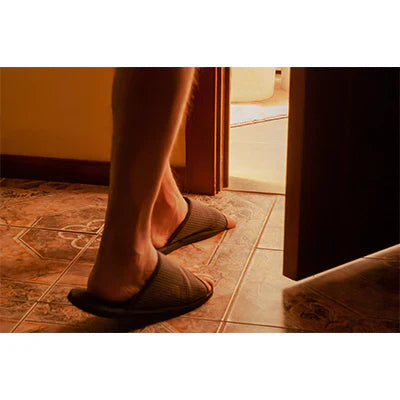
Waking up once during the night to use the bathroom is common and generally not a concern. Waking up two, three, four, or more times -- or discovering you've leaked during sleep -- is a different matter entirely. It disrupts sleep, drains energy, affects mood and concentration the next day, and over time takes a real toll on quality of life.
If this sounds familiar, you're far from alone. An estimated 50 million adults in the United States experience nocturia -- the medical term for waking two or more times per night to urinate -- and nighttime incontinence (leaking during sleep without waking) affects millions more. These are among the most common and least-discussed health issues in adults, particularly older adults.
The good news: nighttime incontinence is manageable. Understanding what's causing it is the first step toward addressing it -- and having the right products in place means that even while you're working on the underlying cause, you can sleep with more comfort and confidence.
Nocturia vs. Nighttime Incontinence: What's the Difference?
These two conditions are related but distinct, and the distinction matters for both cause and management.
Nocturia is waking from sleep because of the urge to urinate. You feel the urge, you wake up, you go to the bathroom. The disruption is the waking -- sometimes multiple times per night -- and the resulting fragmented, unrestorative sleep. Nocturia is considered clinically significant when it occurs two or more times per night.
Nighttime incontinence (also called nocturnal enuresis or adult bedwetting) is involuntary leakage that occurs during sleep, without waking. The person may not realize it has happened until they wake up in the morning or feel dampness during the night.
It's also very common to experience both simultaneously -- waking frequently to urinate and occasionally not making it in time, or leaking between waking episodes.
What Causes Nighttime Incontinence and Nocturia?
There's rarely a single cause. Most cases involve a combination of factors affecting how much urine is produced at night, how much the bladder can hold, and how well the body responds to bladder signals during sleep.
Nocturnal Polyuria (Overproduction of Urine at Night)
In a healthy adult, the body produces a hormone called ADH (antidiuretic hormone) at night that signals the kidneys to slow urine production during sleep. When this system doesn't work properly -- which becomes more common with age -- the kidneys produce disproportionately large amounts of urine at night, filling the bladder faster than normal. This is called nocturnal polyuria and is responsible for a significant proportion of nocturia cases in older adults. It's diagnosed when more than 20 to 33% of total daily urine output occurs at night.
Overactive Bladder (OAB)
Overactive bladder is characterized by sudden, involuntary contractions of the bladder muscle (the detrusor) that create an intense, urgent need to urinate. When these contractions happen during sleep, they can cause leakage before the brain registers the signal to wake up -- resulting in nighttime incontinence. OAB also causes frequent waking when the contractions are strong enough to rouse the person but not immediately cause leakage.
Reduced Bladder Capacity
As people age, the bladder's functional capacity -- how much it can hold before signaling urgency -- naturally decreases. A bladder that holds 400 ml comfortably at age 40 may only comfortably hold 250 ml at age 70. This means the bladder fills to its "full" threshold faster, increasing the frequency of waking even if total urine production hasn't changed.
Benign Prostatic Hyperplasia (BPH)
In men, an enlarged prostate is one of the most common causes of nocturia. The prostate surrounds the urethra just below the bladder, and as it enlarges it partially obstructs urine flow. The bladder compensates by working harder and never fully empties -- leading to a sense of fullness that returns quickly after urination and frequent nighttime waking. BPH affects more than half of men over 60 and the majority of men over 80.
Diabetes and High Blood Sugar
Poorly controlled diabetes causes the kidneys to excrete excess glucose in the urine, drawing large volumes of water with it -- dramatically increasing urine output day and night. Nighttime polyuria is frequently the first symptom that prompts undiagnosed diabetics to seek medical attention. Even in people with known diabetes, periods of poor blood sugar control can trigger significant worsening of nighttime urinary frequency.
Hormonal Changes in Women
Estrogen plays a critical role in maintaining the health and elasticity of the bladder and urethral tissues. During perimenopause and after menopause, falling estrogen levels cause these tissues to thin and weaken -- a condition called genitourinary syndrome of menopause (GSM). This contributes to both stress incontinence (leakage from physical triggers) and urgency incontinence, including nighttime leakage. Many women notice a significant worsening of bladder control symptoms around or after menopause that was not present earlier in life.
Sleep Disorders
Obstructive sleep apnea has a surprisingly strong connection to nocturia. When breathing repeatedly stops during sleep, the heart responds to the resulting oxygen changes by producing a hormone (atrial natriuretic peptide) that signals the kidneys to increase urine production. Many people with untreated sleep apnea experience significant nocturia that resolves or dramatically improves once they begin CPAP therapy. If you snore heavily, feel unrefreshed in the morning, or have been told you stop breathing during sleep, discussing sleep apnea with your doctor is worthwhile.
Fluid Intake Timing and Type
Drinking large volumes of fluid in the evening -- particularly diuretic fluids like caffeinated beverages, alcohol, and carbonated drinks -- directly increases nighttime urine production. Many people don't realize how much their evening habits are contributing to nighttime symptoms until they make targeted changes and see the results.
Medications
Several commonly prescribed medications can worsen nocturia, including diuretics (water pills) for blood pressure or heart conditions, certain antidepressants, lithium, and some dementia medications. If your nighttime symptoms began or worsened after starting a new medication, it's worth discussing with your prescribing provider -- timing of diuretic doses can often be adjusted to reduce nighttime impact without changing the medication itself.
The Real Impact of Nighttime Incontinence
It's easy to dismiss nocturia as "just getting up at night," but the downstream effects of chronic sleep disruption are serious. Research shows that men who wake up more than twice per night due to nocturia report quality-of-life impairment comparable to serious chronic diseases. The cumulative effects of fragmented sleep include:
- Daytime fatigue, reduced concentration, and impaired memory
- Increased risk of falls and injuries -- particularly dangerous for older adults navigating to the bathroom in the dark
- Depression and anxiety, which are significantly more common in people with chronic nocturia
- Disrupted sleep for bed partners, affecting relationships
- Reduced activity and social engagement due to fatigue
This is why nighttime incontinence deserves serious attention -- it's not a minor inconvenience but a condition with real health consequences that compounds over time.
Behavioral Strategies That Make a Measurable Difference
Before reaching for medication, several behavioral changes produce meaningful improvement in many people with nocturia and nighttime incontinence.
Fluid timing
Reducing fluid intake in the 2 to 3 hours before bed is one of the most consistently effective strategies for reducing nighttime urine volume. This doesn't mean dehydrating yourself -- it means front-loading your fluid intake earlier in the day and tapering off in the evening. Drinking the bulk of your daily fluids between waking and late afternoon, and limiting intake after dinner, allows the kidneys to process most of that volume before sleep.
Eliminate evening bladder irritants
Caffeine, alcohol, and carbonated beverages in the hours before bed are diuretics and bladder irritants that amplify nighttime symptoms. Switching evening drinks to water, non-citrus herbal tea, or warm milk can produce noticeable improvement within days for some people. Even one glass of wine in the evening can meaningfully worsen nocturia in people with sensitive bladders.
Elevate your legs in the afternoon
This is a less commonly known but evidence-based strategy for people with nocturnal polyuria caused by fluid pooling in the legs. During the day, fluid accumulates in the lower legs (particularly in people who sit for long periods or have any degree of venous insufficiency). When you lie down at night, this fluid is reabsorbed into the circulation and processed by the kidneys as urine -- contributing to nighttime polyuria. Elevating your legs for 1 to 2 hours in the afternoon or early evening -- before the fluid would otherwise be reabsorbed at bedtime -- allows it to be processed earlier in the evening rather than at night.
Scheduled voiding before bed
Emptying your bladder completely within 30 minutes of going to sleep -- and then again immediately before getting into bed -- reduces the starting volume in the bladder and gives you more time before the first wake-up. For people with reduced bladder capacity, this can meaningfully extend the first sleep period.
Nighttime safety
For older adults who do wake up to use the bathroom, fall prevention is critical. Keep the path to the bathroom clear and well-lit (a nightlight or motion-sensor light is ideal), wear non-slip footwear, and consider a bedside commode if mobility is limited or the bathroom is far from the bedroom. Falls related to nighttime bathroom trips are a leading cause of serious injury in older adults.
Medical Treatment Options
When behavioral changes aren't sufficient, several medical treatments can help depending on the underlying cause:
- For overactive bladder: Anticholinergic medications (oxybutynin, tolterodine) and beta-3 agonists (mirabegron) reduce bladder muscle contractions. Pelvic floor physical therapy is highly effective for OAB-related nocturia and nighttime leakage.
- For BPH in men: Alpha-blockers (tamsulosin, alfuzosin) relax the prostate and improve urinary flow and bladder emptying. 5-alpha reductase inhibitors (finasteride, dutasteride) shrink the prostate over time.
- For nocturnal polyuria: Desmopressin, a synthetic version of ADH, is FDA-approved for nocturia due to nocturnal polyuria in adults. It signals the kidneys to produce less urine at night. It must be used cautiously in older adults due to sodium-related risks.
- For menopausal women: Topical vaginal estrogen (cream, ring, or tablet) restores urethral and bladder tissue health and can significantly reduce urgency and nighttime leakage -- with minimal systemic absorption compared to systemic HRT.
- For sleep apnea: CPAP therapy often produces dramatic reductions in nocturia without any bladder-specific treatment at all.
Talk to your doctor about which evaluation and treatment pathway makes sense for your specific situation. A voiding diary -- recording when you urinate, how much, and any urgency or leakage episodes over 2 to 3 days -- is one of the most useful tools you can bring to that appointment.
Choosing the Right Overnight Products
While addressing the underlying cause, having reliable overnight protection in place is essential for both comfort and sleep quality. Waking up to a wet bed, or lying awake anxious about leaking, compounds the sleep disruption that nighttime incontinence already causes. The right products let you sleep with confidence.
Overnight absorbent underwear
Standard daytime incontinence products are not designed for 8 hours of uninterrupted overnight protection. Overnight-rated products have significantly higher absorbent capacity and are specifically engineered to handle multiple voids without leaking, without requiring a middle-of-the-night change.
The Tranquility Premium OverNight Disposable Absorbent Underwear is one of the most trusted overnight products available -- it holds over one quart of fluid, features Peach Mat core technology that keeps skin dry and neutralizes urine pH throughout the night, and has breathable side panels for skin health during extended wear. It's available in multiple sizes and is a strong first choice for moderate to heavy overnight protection.
For people who prefer a tab-style brief for overnight use -- particularly those with limited mobility or caregivers managing changes -- the Presto Supreme Brief provides maximum absorbency with refastenable tabs for easy repositioning without full removal.
Booster pads
For people who need extra capacity beyond what a single product provides, or who wake up for a bathroom trip and want protection for the rest of the night after a pad change, booster pads (also called doublers) insert inside a brief or pull-up to add absorbent capacity without switching to a bulkier product. They're a practical way to extend the effective life of overnight products.
Underpads for bed protection
Even with high-quality overnight underwear, adding an underpad beneath you provides an important backup layer that protects the mattress and bedding from any leakage -- and means that if a leak does occur, you're changing the underpad rather than the entire bed. This dramatically reduces the disruption and laundry burden of overnight leakage episodes.
The Prevail Night Time Disposable Underpads 30" x 36" are specifically designed for overnight use with maximum absorbent capacity and a soft cloth-like top sheet that is gentle against the skin. The Prevail Air Permeable Disposable Underpads feature an Integra mat construction that reduces bunching and clumping during the night -- a common frustration with cheaper underpads that shift out of position. For heavy incontinence protection, the Cardinal Health Wings Plus Underpads feature a super-absorbent polymer core with an odor-controlling agent and a dryness-enhanced topsheet that pulls fluid away from the surface quickly.
For a washable, reusable option that reduces ongoing costs, the Tranquility Peach Sheet Underpad covers nearly five square feet, absorbs well over one quart of fluid, and has four adhesive tape tabs that secure it to bedding to prevent shifting during sleep.
Mattress protection
A waterproof mattress protector is a worthwhile long-term investment for anyone managing nighttime incontinence. Unlike underpads that need regular replacement, a good mattress cover simply wipes clean if reached and protects a significant financial investment (your mattress) from damage that incontinence can cause over time.
A Note for Caregivers
If you're managing nighttime incontinence for a family member or patient, the product and routine choices you make significantly affect both their comfort and your workload. Investing in high-absorbency overnight products and reliable underpads reduces middle-of-the-night changes, protects skin from prolonged moisture exposure, and means both of you get more uninterrupted sleep. Establishing a consistent pre-bed routine -- bathroom trip, product change, fluid cutoff -- makes nighttime management more predictable and less reactive.
When to See a Doctor
Nighttime incontinence and nocturia are common, but they're not inevitable or untreatable. If nighttime bathroom trips are disrupting your sleep or you're regularly waking up wet, it's worth a conversation with your doctor. Bring a 2 to 3 day voiding diary if possible -- it's one of the most useful pieces of information for diagnosis.
Seek prompt evaluation if nighttime symptoms are accompanied by pain or burning with urination (possible UTI), blood in the urine, significant daytime urinary symptoms that have changed recently, or swelling in the legs.
Stock Up on the Right Overnight Supplies
At Best Buy Medical Supplies we carry a full range of overnight incontinence protection -- from high-capacity overnight absorbent underwear and tab-style briefs to nighttime underpads and heavy-duty bed protection. Browse our complete adult incontinence products collection and our full incontinence care collection to find the right combination for your needs.
Disclaimer: This information is intended for educational purposes only and should not replace advice from your healthcare provider. If you are experiencing nighttime incontinence or nocturia, speak with your doctor to identify the underlying cause and appropriate treatment options for your situation.