
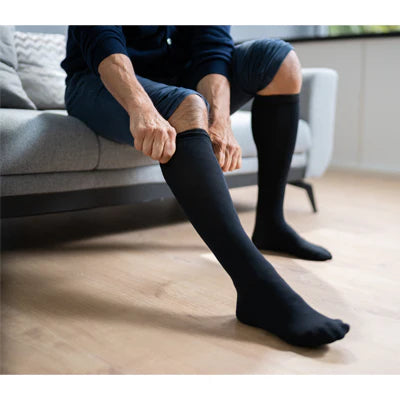
If you've experienced tired, achy legs after a long day, swelling in your ankles, or visible varicose veins, compression stockings might be the solution you need. These specialized garments do far more than regular socks-they apply therapeutic pressure to improve circulation, reduce swelling, and prevent serious vein problems. This comprehensive guide will help you understand how compression stockings work, which level of compression you need, and how to properly wear and care for them.
What Are Compression Stockings and How Do They Work?
Compression stockings are medical-grade garments designed to apply controlled pressure to your legs and feet. Unlike regular hosiery or support socks, true medical compression stockings use graduated compression technology. This means the pressure is strongest at the ankle and gradually decreases as it moves up your leg. This specific pressure gradient works against gravity, helping to squeeze the vein walls together and efficiently push blood upward toward the heart.
When you stand or sit for extended periods, blood can pool in the veins of your lower legs. Over time, this pooling increases pressure within the veins, which can cause them to stretch, weaken, and become varicose. Compression stockings counteract this by applying external pressure that reduces the diameter of major veins, which increases the velocity and volume of blood flow. This therapeutic compression also facilitates venous return, improves lymphatic drainage, and reduces fluid buildup in tissues.
Research shows that graduated compression not only improves blood flow but also initiates complex physiologic effects. Studies using near-infrared spectroscopy have demonstrated that limb oxygenation increases with compression therapy. Additionally, compression has been shown to reduce levels of proinflammatory cytokines in tissue, which can help with healing and reducing inflammation.
Medical Conditions That Benefit from Compression Stockings
Compression therapy is prescribed for a wide range of circulatory and vein-related conditions. Healthcare providers recommend compression stockings for managing symptoms and preventing progression of various venous disorders.
Chronic Venous Insufficiency: Chronic venous insufficiency occurs when the valves inside your leg veins become damaged and fail to work properly. This causes blood to flow backward and pool in the legs rather than returning efficiently to the heart. The condition leads to swelling, skin changes, and in severe cases, venous ulcers. High-quality evidence demonstrates that compression stockings can help heal venous ulcers and prevent their recurrence.
Varicose Veins: Varicose veins are widened, twisted veins visible just beneath the skin surface. They develop when vein valves weaken and allow blood to flow backward. While compression stockings cannot eliminate existing varicose veins, they effectively reduce swelling and leg fatigue caused by the condition. Studies show that wearing stockings providing 18 to 21 mmHg of pressure for even one week helps reduce aches and pain associated with varicose veins.
Deep Vein Thrombosis (DVT): Deep vein thrombosis is a serious condition where blood clots form in the deep veins of the legs. Compression stockings can help with acute swelling and pain caused by DVT. They're also commonly used to prevent DVT during long flights or hospital stays, though the evidence for prevention in healthy individuals without risk factors is mixed.
Edema and Lymphedema: Edema refers to swelling caused by excess fluid trapped in body tissues. Compression stockings help reduce swelling and prevent fluid accumulation by maintaining pressure that moves fluid away from affected areas. This is particularly important for people with lymphedema, a condition where the lymphatic system cannot properly drain fluid.
Pregnancy-Related Swelling: During pregnancy, blood volume increases significantly while pregnancy hormones cause vein walls to relax and widen. This combination makes pregnant women highly susceptible to developing varicose veins and experiencing severe leg swelling. Wearing compression stockings during pregnancy can counteract this increased pressure, reducing edema and lowering the risk of developing permanent vein damage.
Occupational Leg Fatigue: For people who stand or sit all day-nurses, teachers, retail workers, office employees-compression stockings help prevent the tired, heavy feeling that develops by the end of a workday. Even mild compression can energize the legs and prevent leg fatigue when you're on your feet for extended periods.
Understanding Compression Levels: What mmHg Means
Compression levels are measured in mmHg, which stands for millimeters of mercury-the same unit used to measure blood pressure. The higher the mmHg number, the greater the compression. Compression stockings are categorized into different levels, each designed to treat specific conditions and symptoms.
Mild Compression (8-15 mmHg): Mild compression stockings provide 8 to 15 mmHg of pressure. These are available over the counter without a prescription and offer light support for minor issues. This level is ideal if you experience tired or achy legs, work in a job where you stand or sit for extended periods, or have mild swelling in your feet, ankles, or legs. Mild compression helps energize the legs and prevents leg fatigue, making them a great choice for everyday comfort and general leg health.
Moderate Compression (15-20 mmHg): Moderate compression stockings provide 15 to 20 mmHg of pressure and are also typically available over the counter. This compression level is perfect for preventing minor swelling during travel, especially on long flights where sitting for extended periods restricts blood flow and increases DVT risk. Moderate compression is also effective during pregnancy to prevent varicose veins and spider veins from forming. Many people find 15-20 mmHg stockings comfortable enough for all-day wear while still providing meaningful therapeutic benefits. The Sigvaris EverSheer Thigh-High stockings and BSN Jobst ActiveWear knee-high compression socks both offer this moderate compression level with different style options.
Firm Compression (20-30 mmHg): Firm compression stockings provide 20 to 30 mmHg of pressure and are considered medical grade Class I compression. This is the most frequently prescribed level for patients with medically diagnosed varicose veins, chronic venous insufficiency, or mild to moderate edema. While you can purchase 20-30 mmHg stockings without a prescription in many places, it's best to consult with a healthcare provider before using this compression level. Firm compression provides substantial support to manage moderate symptoms and prevent progression of vein disease. Studies show that this level of compression is particularly effective for people who work in seated positions, where the legs remain relatively immobile throughout the day. The Carolon Support Vascular Hosiery Pantyhose and Carolon knee-length stockings both provide this firm 20-30 mmHg compression.
Extra Firm Compression (30-40 mmHg): Extra firm compression stockings provide 30 to 40 mmHg of pressure and represent medical grade Class II compression. This stronger compression is recommended for more severe vein conditions, including moderate to severe varicose veins, lymphedema, active venous ulcers, and post-thrombotic syndrome. You should only wear 30-40 mmHg compression under the guidance of a healthcare professional, as this level requires proper fitting and monitoring.
Maximum Compression (40-50 mmHg and Higher): Maximum compression stockings provide 40 to 50 mmHg or higher and are used for severe venous stasis, wound management, and severe lymphedema. These are always prescribed by a doctor and require professional fitting to ensure safety and effectiveness.
Choosing the right compression level depends on the severity of your condition and your symptoms. As a general rule, start with a lower compression level if you're new to compression therapy. Many people find they can manage their symptoms effectively with 15-20 mmHg or 20-30 mmHg stockings without needing to move to higher compression levels.
Types of Compression Stockings: Finding the Right Style
Compression stockings come in several different lengths and styles, each designed for different needs and preferences. The three main types are knee-high, thigh-high, and pantyhose.
Knee-High Compression Stockings: Knee-high compression stockings extend from the foot to just below the knee. These are the most popular style because they're easier to put on than longer stockings and work well for most circulatory issues that primarily affect the lower leg and ankle. Knee-highs should sit approximately two finger-widths below the bend of your knee to avoid cutting into the back of the leg or rolling down. They're ideal for everyday wear and are available in a wide range of compression levels, colors, and materials. The BSN Jobst UltraSheer knee-high stockings offer a lightweight, fashionable appearance with durable reinforced toe and heel.
Thigh-High Compression Stockings: Thigh-high compression stockings extend from the foot to the upper thigh and are held in place with a silicone band or grip-top that prevents them from sliding down. Thigh-highs provide compression to a larger area of the leg and are often recommended when swelling or vein issues extend above the knee. They should sit approximately two finger-widths below the fold of the buttocks. Some people find thigh-highs more comfortable than pantyhose because they don't have a waistband.
Compression Pantyhose: Compression pantyhose or tights cover both legs and extend to the waist, similar to regular hosiery. These are often prescribed when circulation issues affect both legs entirely or when additional abdominal support is helpful, such as during pregnancy. Maternity compression pantyhose feature a special panel designed to accommodate a growing belly while providing therapeutic compression to the legs.
Open Toe vs. Closed Toe: You'll also encounter two toe style options: closed toe and open toe. Closed toe compression stockings look like regular socks or hosiery with a fully enclosed toe area. They provide compression all the way to the tips of your toes and work well in cooler weather or when wearing closed-toe shoes. Open toe compression stockings leave the toe area exposed, which can be more comfortable in warm weather and allows you to wear your own choice of shoes, including sandals. Open toe styles also make it easier to check the color and temperature of your toes, which helps ensure the compression isn't too tight.
How to Measure and Find the Right Size
Proper fit is absolutely critical for compression stockings to work effectively. Stockings that are too loose won't provide adequate therapeutic pressure, while stockings that are too tight can be uncomfortable and potentially harmful. Most compression stocking manufacturers require specific measurements at various points on your leg.
For knee-high stockings, you'll typically need to measure the circumference of your ankle at the narrowest point, your calf at the widest point, and the length from the floor to just below your knee. For thigh-high stockings, you'll also need to measure the circumference of your thigh at the widest point and the length from the floor to the upper thigh. Pantyhose require additional measurements including hip circumference and full leg length.
The best time to take measurements is first thing in the morning before any swelling has developed. Your legs are typically at their smallest circumference after you've had them elevated all night during sleep. If you're already up and experiencing swelling, lie down with your legs elevated for 15 to 20 minutes before measuring.
When taking measurements, use a soft measuring tape and keep it snug but not tight against your skin. Make sure the tape is straight and level, not twisted. Write down all measurements and compare them to the manufacturer's sizing chart, as sizes can vary between brands. If your measurements fall between two sizes, sizing up typically provides more comfort, though your healthcare provider can offer guidance based on your specific condition.
For prescription-strength compression stockings, a trained fitter at a medical supply store or your healthcare provider's office will take precise measurements to ensure you get the correct size and compression level. Professional fitting is particularly important for higher compression levels.
How to Put on Compression Stockings Properly
Putting on compression stockings correctly is essential for comfort and effectiveness. Many people find compression stockings difficult to don at first, but with the right technique and a bit of practice, it becomes much easier.
The most effective method is the inside-out technique. Start by reaching your hand inside the stocking and grasping the heel pocket between your thumb and fingers, as if you were making a sock puppet. While holding the heel, turn the upper portion of the stocking inside out, bringing the heel to the forefront. The stocking should now look like a doughnut with the foot portion exposed. Step into the foot portion and position your heel correctly in the heel pocket. Once your foot is properly positioned, you can begin gently unfolding the stocking up your leg.
Use your palms to smooth the stocking up your leg in sections rather than pulling it up by the top edge. Pulling from the top can damage the elastic and create uneven compression. Work the stocking up gradually, smoothing out any wrinkles as you go. Wrinkled compression stockings aren't just uncomfortable-they can cause pressure points that reduce circulation rather than improving it.
Many people find wearing rubber gloves or donning gloves tremendously helpful when putting on compression stockings. These gloves provide grip on the slippery fabric and protect the delicate material from damage caused by fingernails or jewelry. You can use household rubber gloves, gardening gloves, or specialized donning gloves designed specifically for compression therapy.
Always put your compression stockings on before you start your day, ideally while you're still in bed or shortly after waking. Your legs are least swollen in the morning because gravity hasn't been pulling blood and fluid downward while you sleep. If you need to put stockings on later in the day, lie down with your legs elevated for 10 to 15 minutes first.
A few important donning tips: never roll or bunch compression stockings like regular socks before putting them on, as this makes them harder to apply evenly. Remove rings, bracelets, and watches before donning to avoid snagging the fabric. Make sure your legs are completely dry before applying stockings, though a light dusting of talcum powder or cornstarch can help them slide on more easily if your skin tends to be moist. Never fold the top band down once the stockings are on, as this creates a tourniquet effect that restricts circulation.
If you have difficulty bending over or limited hand strength, several donning aids can help. Stocking butlers or doffing frames are metal or plastic devices that hold the stocking open while you slide your foot in, then use handles to pull the stocking up. Slip-on aids create a smooth surface that reduces friction as you pull the stocking over your heel. These tools can be particularly helpful for people recovering from surgery or those with arthritis.
To remove compression stockings, reverse the process. Start by pulling the top band down a few inches, then use your palms to stroke downward as the stocking doubles over itself. Pull it over your heel, then finally pull it off your foot. Avoid tugging forcefully, as this can damage the elastic fibers.
Washing and Caring for Your Compression Stockings
Proper care dramatically extends the life of compression stockings and ensures they continue to provide effective therapeutic compression. Washing brings back elasticity to the fabric and removes built-up oils, sweat, and dirt that can damage the fibers over time.
You should wash compression stockings after each wearing. Daily washing not only keeps them fresh and hygienic but actually helps maintain their compression properties. Body oils and perspiration can break down elastic fibers, causing stockings to lose their therapeutic effectiveness and leading to tears or runs.
Hand washing is the gentlest and most recommended method for cleaning compression stockings. Fill a sink or basin with cool or lukewarm water-never hot water, as heat damages elastic fibers and can cause shrinkage. Add a small amount of mild detergent designed for delicates. Manufacturers often produce specialized washing solutions for compression garments, which are formulated to clean without damaging the elastic. Regular dish soap also works well as long as it's gentle and free from additives.
Gently swirl the stockings in the soapy water for a few minutes, paying special attention to the foot area where oils and perspiration accumulate most. Rinse thoroughly under cool running water until all soap residue is removed. Any remaining soap can irritate your skin and stiffen the fabric.
If you prefer machine washing, always place compression stockings in a mesh laundry bag to protect them from snagging or wrapping around the washer agitator. Turn stockings inside out before washing to clean the side that contacts your skin most thoroughly. Use a gentle or delicate cycle with cool or lukewarm water. Add only a small amount of mild detergent.
Never use bleach, fabric softener, or harsh detergents on compression stockings. These chemicals break down elastic fibers and reduce compression effectiveness. Fabric softener leaves a residue that can irritate skin and damage the fabric's ability to maintain its shape.
After washing, gently squeeze out excess water-never wring or twist compression stockings, as this damages the way the fabric is woven. Roll the stockings in a clean, fluffy towel and press gently to absorb more water. Then hang the stockings to air dry or lay them flat on a drying rack. Choose a cool or warm location away from direct heat sources like radiators, sunny windows, or heating vents.
Never put compression stockings in the dryer. The heat damages elastic fibers, causes shrinkage, and significantly reduces the therapeutic compression. Even on a low heat setting, machine drying can shorten the lifespan of compression stockings considerably.
For pantyhose, a time-saving tip is to hand wash only the feet and lower leg portion each day to refresh them for the next wear, then give the full garment a complete wash every few days.
Store clean compression stockings in a cool, dry place away from direct sunlight. Lay them flat or fold them gently rather than rolling them tightly. Proper storage helps maintain their elasticity between wearings.
When to Replace Your Compression Stockings
Even with excellent care, compression stockings don't last forever. The elastic fibers gradually break down with regular wear and washing, reducing the garment's ability to provide therapeutic compression. Most manufacturers state that compression stockings maintain their effectiveness for approximately three to six months with daily wear and proper care.
Several signs indicate it's time to replace your compression stockings. If they feel looser than when you first purchased them and are easy to put on without effort, they've likely lost their compression. Compression stockings should always feel snug and require some work to apply properly. If your stockings begin sliding down your legs during wear, this indicates the elastic has stretched out and they're no longer providing adequate graduated pressure.
Visible wear such as thinning fabric, holes, runs, or fraying means the stockings have reached the end of their useful life. Changes in the fabric texture, bagginess around the ankle or knee, or a general lack of the firm feeling you had when they were new all signal that replacement is needed.
Having two or more pairs of compression stockings and rotating them extends the life of each pair by giving them time to fully recover their shape between wearings. This rotation system also ensures you always have a clean pair available while the others are being washed.
Choosing Between Brands: Jobst, Sigvaris, and Carolon
Several reputable manufacturers produce high-quality medical compression stockings, each with slightly different features and benefits. Understanding brand differences can help you choose the right stockings for your needs.
BSN Jobst: BSN Jobst is one of the most widely recognized compression stocking brands. Jobst offers multiple product lines including UltraSheer for a lightweight, fashionable appearance with durable reinforced toes and heels; Relief stockings featuring comfortable three-dimensional knit structure and air-covered spandex yarn for all-day comfort; and ActiveWear designed with cushioned feet, reinforced heels, and moisture-wicking properties ideal for active lifestyles. Jobst stockings are known for reliability and are often more economically priced, making them accessible for people who need multiple pairs.
Sigvaris: Sigvaris is a premium Swiss brand known for high-quality construction and advanced materials. Sigvaris EverSheer stockings feature fashionable sheer medical graduated compression constructed from double-covered inlay yarns for exceptional softness against skin. These stockings offer excellent breathability and moisture management for added comfort. Sigvaris products are designed to ensure correct fit and accurate compression, resulting in optimum therapeutic benefits. Many people find Sigvaris stockings particularly comfortable for extended wear.
Carolon: Carolon Company specializes in vascular support hosiery with advanced features. Carolon Health Support stockings utilize superior silicone non-slip bands to keep thigh-high stockings securely in place without rolling or sliding. They feature advanced two-way stretch properties for outstanding comfort and sheer fabric that looks attractive while providing medical-grade compression. Carolon stockings often include absorbent cotton panels and extra-wide waistbands with run-resistant fabric for durability.
All three brands manufacture their stockings under strict medical and technical specifications to guarantee adequate ankle pressure and proper graduated compression. The choice between brands often comes down to personal preference regarding fabric texture, appearance, and specific features like silicone bands or moisture-wicking properties.
Living with Compression Stockings: Practical Tips for Success
Incorporating compression stockings into your daily routine becomes easier with a few practical strategies. Consistency is key to experiencing the full benefits of compression therapy.
Wear your compression stockings whenever you're upright and active-standing, walking, or sitting. Most people wear them throughout the day and remove them at bedtime. Your legs benefit from the compression during the hours when gravity is pulling blood downward. At night when your legs are elevated, the compression is less necessary.
If you experience any discomfort, numbness, tingling, or color changes in your feet or toes while wearing compression stockings, remove them immediately and contact your healthcare provider. These symptoms may indicate the compression level is too high for you or the stockings aren't fitting properly.
Keep your skin healthy by moisturizing your legs regularly, but apply lotion in the evening after removing your stockings rather than in the morning before putting them on. Lotion creates a slippery surface that makes stockings difficult to apply and can also interfere with the fabric's grip on your skin.
Check your legs and feet regularly for any skin changes, irritation, or pressure points. While well-fitting compression stockings shouldn't cause skin problems, monitoring ensures you catch any issues early.
If you're traveling, pack compression stockings in your carry-on luggage so they're easily accessible. Long flights and car trips are times when compression is particularly beneficial for preventing swelling and reducing DVT risk.
Consider seasonal changes when choosing compression stockings. You might prefer lighter-weight, sheer fabrics in summer and opaque, warmer fabrics in winter. Having stockings appropriate for different seasons increases your comfort and compliance with wearing them regularly.
Talk to Your Healthcare Provider
While many compression stockings are available over the counter, consulting with a healthcare provider ensures you choose the right compression level and style for your specific needs. This is especially important if you have underlying health conditions like diabetes, peripheral artery disease, or neuropathy, as these conditions may require special considerations.
Your doctor can prescribe the appropriate compression level, ensure proper fitting, and monitor your progress over time. They can also determine if compression therapy is contraindicated for you. Certain conditions, including severe peripheral artery disease, acute skin infections, or severe congestive heart failure, may make compression therapy unsafe.
If you have a prescription for compression stockings, check with your insurance provider about coverage. Many insurance plans cover medical-grade compression stockings when prescribed by a physician for a diagnosed medical condition.
Professional fitting at a medical supply store ensures you receive stockings that fit correctly and provide the intended therapeutic compression. Trained fitters take precise measurements and can teach you proper donning and doffing techniques. They can also recommend accessories like donning gloves or application aids if you need them.
Conclusion
Compression stockings are a proven, effective therapy for improving circulation, managing vein conditions, reducing swelling, and preventing serious complications like blood clots. Understanding how they work, choosing the right compression level and style, learning proper application techniques, and maintaining them correctly ensures you receive maximum therapeutic benefit.
Whether you're managing chronic venous insufficiency, recovering from surgery, preventing varicose veins during pregnancy, or simply seeking relief from tired, achy legs at the end of a long workday, the right compression stockings can significantly improve your leg health and quality of life. With proper care, these medical garments become a comfortable, effective part of your daily health routine.
Start with a consultation with your healthcare provider to determine which compression level is right for you. Invest in properly fitted stockings from a reputable brand, learn the correct application technique, and establish a daily washing routine. Your legs will thank you for the support, and you'll enjoy increased comfort, reduced swelling, and better circulation for years to come.