
Continuous Glucose Monitors: How CGMs Work, Their Benefits, and Getting Started with Continuous Monitoring
Continuous glucose monitoring technology has transformed how people with diabetes track and manage their blood sugar levels. According to research published in Diabetes Care, CGM use improves glycemic control by expanding time in range while decreasing time spent in both hypoglycemia and hyperglycemia. For the millions of Americans managing diabetes, understanding how these devices work and whether they might be right for you represents an important step toward better health outcomes.
What Is a Continuous Glucose Monitor?
A continuous glucose monitor, or CGM, is a wearable device that tracks glucose levels around the clock without requiring constant finger pricks. Unlike traditional blood glucose meters that provide a single reading at one moment in time, CGMs measure glucose levels continuously, typically every one to five minutes, providing hundreds of readings throughout each day.
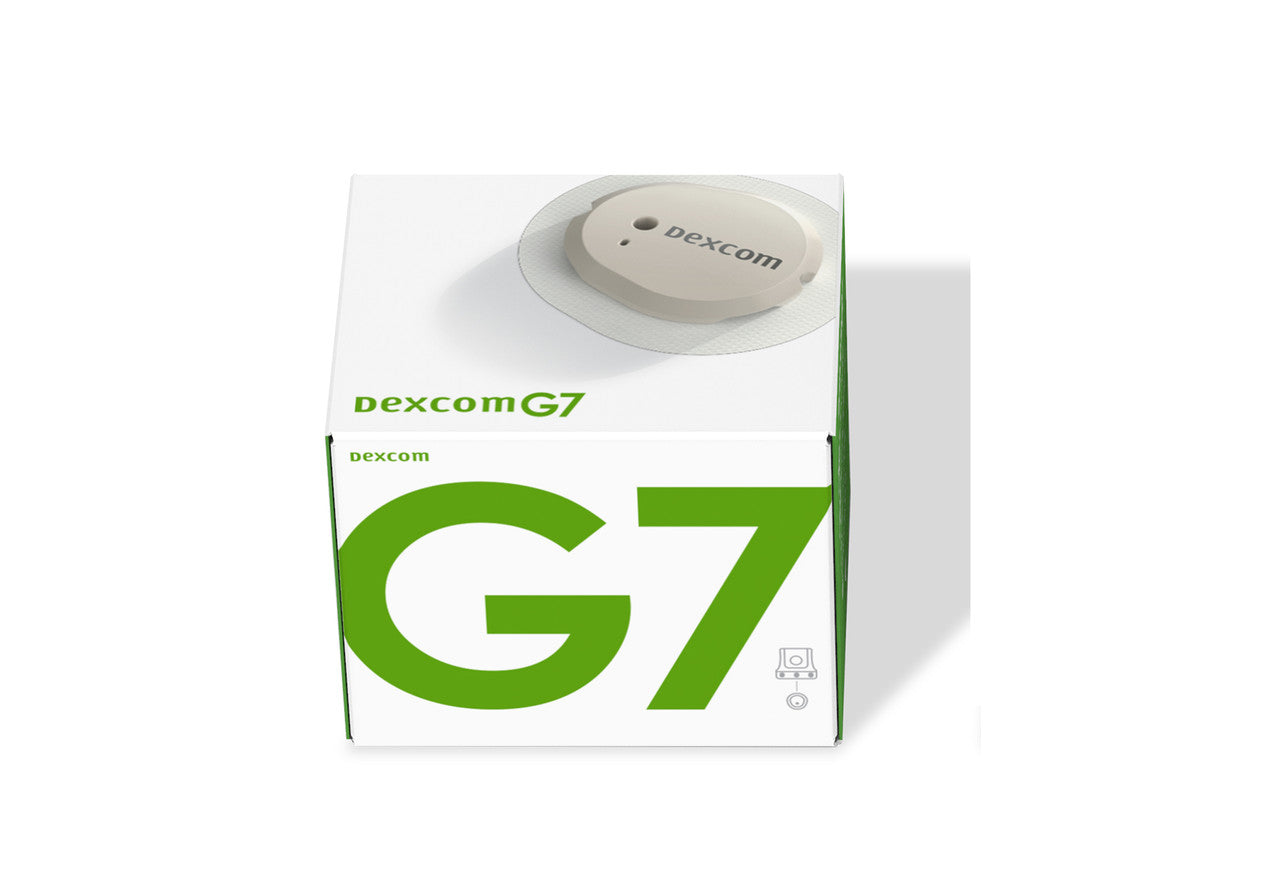
According to the National Institute of Diabetes and Digestive and Kidney Diseases, CGM systems consist of three main components. The first is a tiny sensor inserted just beneath the skin, usually on the belly or arm, held in place by an adhesive patch. This sensor measures glucose levels in the interstitial fluid, the fluid between cells, which closely reflects blood glucose levels. The second component is a transmitter that wirelessly sends glucose data from the sensor. The third component is a receiver, which may be a dedicated device, a smartphone app, or an insulin pump that displays your glucose readings.
Most CGM sensors are disposable and need replacement every 7 to 14 days, depending on the specific system. Some newer implantable sensors can last up to 180 days before requiring replacement. The continuous nature of monitoring means you can see not just your current glucose level but also whether your levels are rising, falling, or holding steady.
How CGMs Differ from Traditional Blood Glucose Meters
Traditional self-monitoring of blood glucose requires pricking your finger with a lancet, applying blood to a test strip, and waiting for your meter to display a reading. While effective, this method only shows your glucose level at the exact moment of testing. Many people test two to four times daily, which means glucose fluctuations between tests go undetected.
CGMs address this limitation by providing continuous data. Research from the American Diabetes Association notes that CGM provides real-time glycemic monitoring with glucose trend information indicated by directional arrows. These trend arrows visually display whether your current glucose level is rising, stable, or decreasing, allowing you to anticipate changes before they happen.
This continuous stream of information reveals patterns that finger-stick testing simply cannot capture. You can see how your glucose responds to specific foods, exercise, stress, sleep quality, and medications. Overnight glucose patterns, which are impossible to track with traditional testing unless you wake up to check, become visible with CGM technology.
Traditional meters still have their place in diabetes management. The True Metrix Blood Glucose Meter provides accurate readings in just four seconds with a tiny 0.5 microliter sample, making it useful for confirming CGM readings when needed. Many healthcare providers recommend keeping a traditional meter available for situations where CGM accuracy might be questioned or when the sensor is being changed.
The Benefits of Continuous Glucose Monitoring
Clinical research consistently demonstrates significant benefits from CGM use. A study published in Cureus Journal of Medical Science found that patients transitioning from traditional self-monitoring to CGM experienced significant improvements in glycemic control, including reductions in hemoglobin A1c levels, average blood glucose levels, and hypoglycemic events.
According to the American Diabetes Association, CGMs help avoid or delay serious short-term and long-term diabetes complications. The organization notes that continuous monitoring potentially saves money through improved diabetes management and fewer emergency situations related to hypoglycemia.
Reduced Hypoglycemia Risk
One of the most significant benefits of CGM is the ability to prevent dangerous low blood sugar episodes. CGM systems can alert you when glucose levels drop below a preset threshold, giving you time to consume fast-acting carbohydrates before symptoms become severe. For people who experience hypoglycemia unawareness, a condition where the body no longer produces warning symptoms of low blood sugar, these alerts can be lifesaving.
The trend arrows help predict impending lows even before reaching the alert threshold. If your glucose shows 95 mg/dL with a downward arrow indicating rapid decline, you know to take action even though 95 mg/dL is technically within range. This predictive capability represents a major advancement over reactive testing with traditional meters.
Improved Time in Range
Healthcare providers increasingly focus on time in range, the percentage of time glucose levels remain between 70 and 180 mg/dL, as a key metric for diabetes management. Research published in Endocrinology and Metabolism reports that CGM users experience time in range improvements of 15 to 34 percent compared to traditional monitoring methods.
Seeing real-time glucose data motivates behavioral changes that improve time in range. When you observe exactly how a particular meal affects your glucose, you develop practical knowledge that guides future food choices. This immediate feedback loop creates a powerful learning tool that written logs and periodic A1c tests cannot replicate.
Better Understanding of Individual Patterns
Every person with diabetes responds differently to foods, activities, and medications. CGM reveals your unique patterns, showing how your body specifically reacts to various factors. You might discover that certain foods cause prolonged elevation, that morning exercise affects your glucose differently than evening workouts, or that stress significantly impacts your levels.
The data collected by CGMs can be shared with healthcare providers, enabling more informed treatment decisions. Rather than adjusting medications based on occasional finger-stick readings and A1c averages, your care team can analyze detailed glucose profiles and make precise recommendations.
Who Can Benefit from CGM?
CGM technology benefits a wide range of people with diabetes. The Association of Diabetes Care and Education Specialists notes that the 2025 American Diabetes Association Standards of Care now support CGM for people with type 2 diabetes who use insulin as well as those using other glucose-lowering medications.
Candidates who may particularly benefit from CGM include people with type 1 diabetes who require intensive insulin management, those with type 2 diabetes on insulin therapy, individuals experiencing frequent hypoglycemia or hypoglycemia unawareness, pregnant women with diabetes requiring tight glucose control, people with difficulty achieving target A1c levels despite following treatment plans, and anyone seeking detailed information about how lifestyle factors affect their glucose.
CGM would not be appropriate for certain situations, including individuals who are dehydrated, hypotensive, or in shock, those experiencing diabetic ketoacidosis, and neonates. CGM should not be used for diagnosing or screening for diabetes.
Understanding CGM Readings and Trend Arrows
Learning to interpret CGM data takes some practice but becomes intuitive over time. Your CGM display shows your current glucose reading along with trend arrows indicating the direction and rate of change.
A horizontal arrow indicates stable glucose, meaning levels are changing slowly, if at all. Angled arrows pointing up or down suggest glucose is rising or falling at a moderate rate. Straight vertical arrows indicate rapid change, which may require immediate attention. Understanding these arrows helps you anticipate future glucose levels and take proactive steps.
The ambulatory glucose profile, a standardized CGM report, provides a graphical display of glycemic activity over time. This report shows time in range, time below range, time above range, and glucose variability, giving you and your healthcare team a comprehensive picture of your diabetes management.
It is important to remember that CGM measures interstitial fluid glucose, which lags slightly behind actual blood glucose, typically by 5 to 15 minutes. During periods of rapid glucose change, this lag may be more noticeable. For safety, you may sometimes need to confirm CGM readings with a finger-stick test using a traditional meter like the Glucocard Vital Blood Glucose Meter, especially before making significant insulin adjustments.
Getting Started with CGM
If you and your healthcare provider decide CGM is right for you, several steps are involved in getting started. Your provider will prescribe a specific CGM system based on your needs, preferences, and insurance coverage. Major CGM systems available include Dexcom, FreeStyle Libre, and Medtronic Guardian, each with different features and sensor wear times.
Once you have your CGM system, you will learn to insert the sensor. Most systems use an applicator that makes insertion quick and relatively painless. The sensor is typically placed on the back of the arm or abdomen, and the adhesive patch keeps it secure for the duration of sensor life. After a warm-up period that varies by system, the CGM begins displaying glucose readings.
Setting appropriate alert thresholds is an important part of CGM setup. Working with your healthcare provider, you will establish low and high glucose alerts based on your individual targets. Many people start with wider thresholds and gradually narrow them as they become comfortable with the system.
Maintaining Your Diabetes Supply Kit
While CGM reduces the frequency of finger-stick testing, a well-stocked diabetes supply kit remains essential. You will still need supplies for occasional confirmatory testing, backup monitoring if CGM issues arise, and ongoing medication administration.
Keep quality blood glucose test strips on hand for confirming CGM readings when needed. The Accu-Chek Guide Test Strips feature a spill-resistant SmartPack vial and require only a tiny 0.6 microliter sample for accurate results.
A reliable lancing device such as the Autolet Impression makes finger-stick testing more comfortable when needed. This advanced device features seven depth settings and Comfort Zone Technology that helps mask the sensation of pain during blood sampling.
For insulin users, quality injection supplies matter. The BD Veo Ultra-Fine Insulin Syringes feature a patented five-bevel needle tip designed for more comfortable injections. For those using insulin pens, the BD Nano 2nd Gen Pen Needles are thin and delicate, making injections as comfortable as possible.
The HTL-Strefa Droplet Pen Needles offer an economical alternative with premium needle quality and a unique lubrication method that ensures gentle penetration. These universal needles fit virtually all insulin pens and feature thin wall technology for precise insulin flow.
When traveling, the Medicool Diabetic Travel Organizer keeps all your supplies organized in one place and includes a refreezable gel pack to keep insulin cool for hours.
Common CGM Challenges and Solutions
While CGM technology offers tremendous benefits, users may encounter some challenges. Skin irritation at the sensor site is one of the most common issues. Using skin barrier products before sensor insertion and rotating sensor sites can help minimize irritation.
Sensor accuracy can sometimes be affected by factors including dehydration, compression of the sensor during sleep, and taking certain medications. If CGM readings do not match your symptoms or expectations, confirm with a finger-stick test before taking action.
The adhesive patches may not stick well in hot, humid conditions or during heavy sweating. Supplemental adhesive patches and skin preparation products can help sensors stay in place throughout their wear time.
Data overload can feel overwhelming at first. Remember that you do not need to respond to every glucose fluctuation. Focus on identifying patterns over time rather than reacting to each individual reading. Your healthcare team can help you learn which trends require action and which are normal variations.
The Future of Glucose Monitoring
CGM technology continues to advance rapidly. Newer systems offer improved accuracy, longer sensor wear times, and better integration with insulin delivery systems. Automated insulin delivery systems, sometimes called artificial pancreas technology, combine CGM with insulin pumps to automatically adjust insulin delivery based on glucose readings.
As noted by researchers at the University of Miami Miller School of Medicine, the over-the-counter availability of CGM has the potential to detect and transform the care of conditions like prediabetes and sleep disorders, helping to tailor diet modification in people who can notice changes in glucose in real time.
Browse our complete selection of diabetic supplies including glucose meters, test strips, lancets, insulin syringes, and pen needles. Best Buy Medical Supplies offers quality products from trusted brands to support your diabetes management journey.
Disclaimer: This information is intended for educational purposes only and should not replace advice from your healthcare provider. Always consult with your diabetes care team before making changes to your monitoring routine or treatment plan.