
If you're managing diabetes, you've almost certainly heard about your A1C. Your doctor checks it at nearly every visit, and it often feels like the single number your entire diabetes management is being judged by. But for something so central to diabetes care, a lot of people aren't entirely sure what it's actually measuring -- or what they can do to improve it.
Here's a straightforward breakdown of what your A1C tells you, why it matters, and what you can realistically do to move it in the right direction.
What Is the A1C Test?
The A1C test -- also called the hemoglobin A1C, HbA1c, or glycated hemoglobin test -- measures your average blood sugar level over the past 2 to 3 months. Unlike a finger-stick glucose test that gives you a snapshot of your blood sugar at one moment in time, the A1C gives your healthcare team a longer view of how well your blood sugar has been controlled over an extended period.
Here's how it works: glucose in your bloodstream naturally attaches to hemoglobin, the protein inside red blood cells that carries oxygen. The more glucose in your blood, the more hemoglobin gets coated with it. Because red blood cells live for about 2 to 3 months, the A1C test reflects your average glucose exposure over that entire lifespan. The result is expressed as a percentage -- the higher the percentage, the more glucose has been attached to your hemoglobin, and the higher your average blood sugar has been.
What Do A1C Numbers Mean?
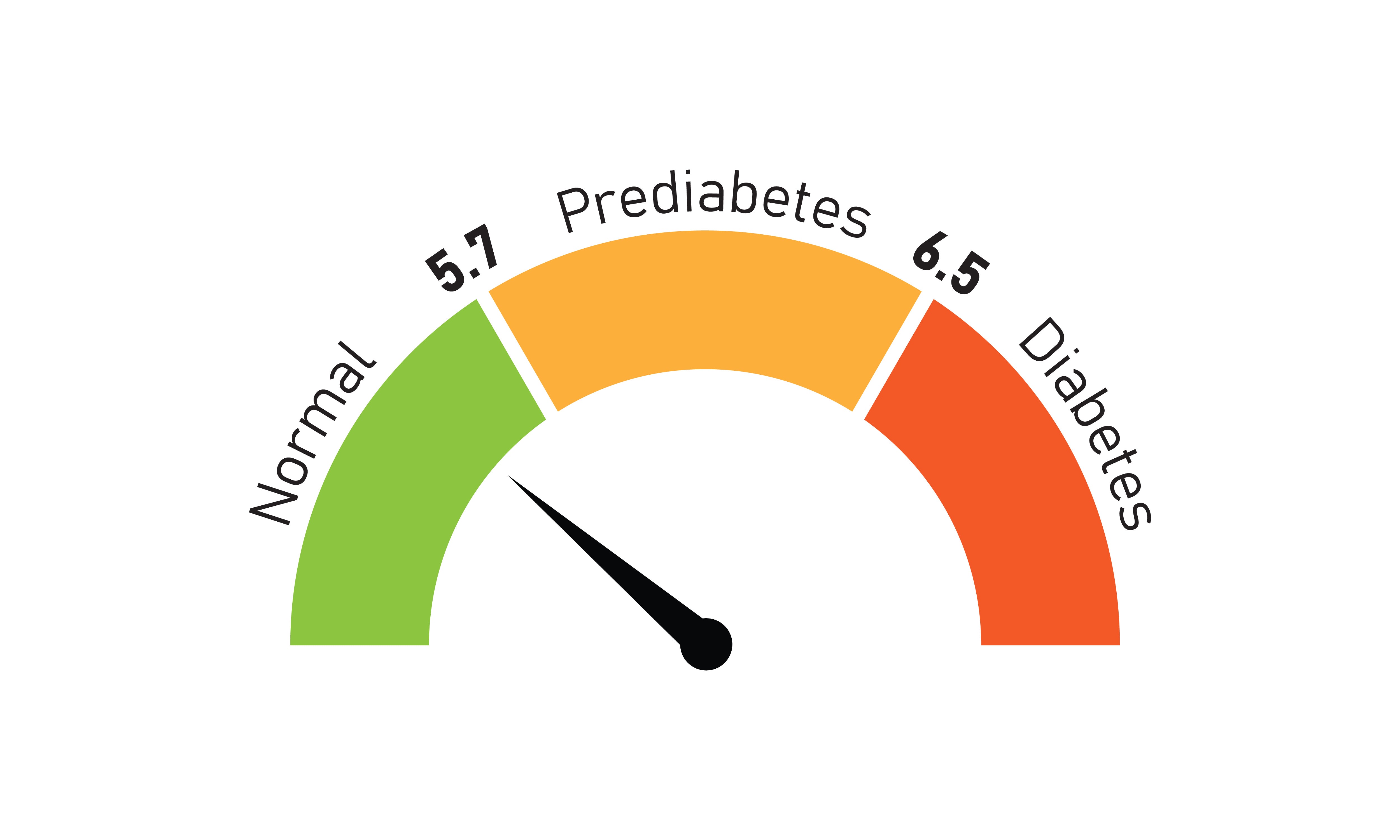
The American Diabetes Association uses the following ranges as general guidelines:
- Below 5.7% -- Normal (no diabetes)
- 5.7% to 6.4% -- Prediabetes
- 6.5% or higher -- Diabetes (on two separate tests)
For people already diagnosed with diabetes, the target A1C is typically below 7% -- though your doctor may set a different personal target based on your age, other health conditions, and risk of hypoglycemia. Some people, such as older adults or those with a history of severe low blood sugar, may have a target closer to 8%.
To put the percentage in more concrete terms, an A1C of 7% corresponds to an estimated average glucose of about 154 mg/dL. An A1C of 8% corresponds to roughly 183 mg/dL. Every 1% reduction in A1C meaningfully reduces the risk of diabetes complications -- so even small improvements matter.
A1C vs. Daily Blood Glucose Monitoring -- What's the Difference?
A1C and daily blood glucose readings are both important, but they tell you different things. Think of daily monitoring as your day-to-day feedback -- it tells you how a specific meal, activity, or medication dose is affecting your blood sugar right now. Your A1C is the bigger picture -- it tells you how your management is working overall.
It's entirely possible to have daily readings that look reasonable but still end up with a higher-than-expected A1C. This often happens when glucose spikes after meals are large and frequent but don't show up in pre-meal finger-stick testing. It's also possible to have a good-looking A1C but still experience dangerous highs and lows if your glucose is swinging widely -- the average looks fine, but the variability is a problem.
This is one of the reasons continuous glucose monitoring (CGM) has become so valuable -- it captures the full picture of glucose variability that neither A1C nor periodic finger-stick testing can show on its own.
For reliable day-to-day monitoring, having a quality glucose meter on hand matters. A meter like the True Metrix Blood Glucose Meter delivers accurate results in seconds and is a solid companion to your A1C tracking between lab visits.
How Often Should You Get Your A1C Tested?
For most people with well-controlled diabetes who are meeting their treatment goals, testing twice a year is standard. If your diabetes management has changed recently -- new medications, a recent diagnosis, or difficulty hitting your targets -- your doctor will likely check it every 3 months until things stabilize.
At-home A1C test kits are also available and can give you a general sense of where you're at between lab visits. While home tests aren't as precise as a lab draw, they can be a useful check-in tool, especially if you're actively working to lower your numbers and want to track progress.
What Can Raise Your A1C?
Understanding what drives A1C up helps you target your efforts more effectively. Common contributors include:
- Diet high in refined carbohydrates and added sugars -- these cause rapid blood sugar spikes that add up over time
- Physical inactivity -- regular movement improves insulin sensitivity significantly
- Skipping or inconsistent medication -- missed doses have a cumulative effect over weeks and months
- Chronic stress -- stress hormones raise blood glucose directly
- Poor sleep -- even short-term sleep disruption impairs glucose regulation
- Illness or infection -- the body's stress response during illness raises blood sugar
Practical Steps to Lower Your A1C
Improving your A1C doesn't require a perfect overhaul of everything at once. Small, consistent changes tend to produce the most lasting results.
Monitor more consistently
You can't manage what you don't measure. More frequent blood glucose checks -- especially after meals -- give you the data you need to understand your patterns and make adjustments. If you're testing only in the morning, you may be missing significant post-meal spikes that are quietly driving your A1C up.
Focus on carbohydrate quality
Total carbohydrate intake matters, but so does the type. Foods with a lower glycemic index -- most vegetables, legumes, whole grains -- cause slower, more moderate glucose rises compared to refined carbs and sugary foods. You don't necessarily need to eliminate carbs, but shifting toward slower-digesting sources makes a real difference.
Move more, and more consistently
Physical activity improves insulin sensitivity and helps muscles use glucose more effectively -- both during exercise and for hours afterward. Even a 15 to 20 minute walk after meals can noticeably reduce post-meal glucose spikes. Consistency matters more than intensity, especially when starting out.
Take medications as prescribed
This sounds obvious, but medication adherence is one of the biggest drivers of A1C improvement. If you're skipping doses because of side effects, cost, or a complicated schedule, talk to your doctor -- there are usually options to address those barriers.
Manage stress and sleep
Both are underrated factors in blood sugar control. Chronic stress raises cortisol, which raises glucose. Poor sleep impairs insulin sensitivity even after a single bad night. Addressing these isn't just good for general health -- it directly affects your A1C.
Keeping Your Testing Supplies Stocked
Consistent monitoring is the foundation of good A1C management, and that means having reliable supplies on hand. At Best Buy Medical Supplies, we carry a full range of diabetic testing supplies -- glucose meters, test strips, lancets, lancing devices, insulin syringes, and pen needles -- from trusted brands at competitive prices.
Browse our diabetic supplies collection to make sure you have everything you need to stay on top of your daily monitoring and support your long-term A1C goals.
Disclaimer: This information is intended for educational purposes only and should not replace advice from your healthcare provider. Always consult with your diabetes care team before making changes to your monitoring routine or treatment plan.