
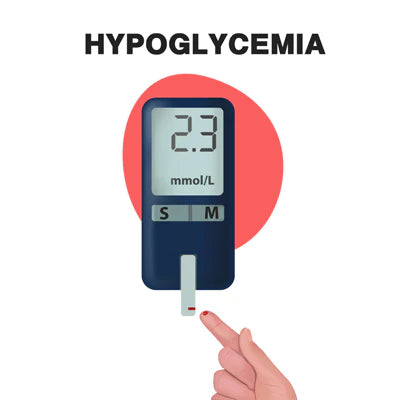
For people managing diabetes, hypoglycemia -- low blood sugar -- is one of the most common and immediately concerning situations you can face. It can come on quickly, sometimes with little warning, and if left untreated it can become serious. The good news is that with the right knowledge and supplies on hand, most hypoglycemic episodes are easy to manage and many can be prevented altogether.
Here's what you need to know.
What Is Hypoglycemia?
Hypoglycemia occurs when your blood glucose drops below 70 mg/dL. At this level, your body doesn't have enough glucose to fuel normal function -- and it lets you know about it quickly. Severe hypoglycemia, generally considered below 54 mg/dL, requires immediate treatment and can cause confusion, seizures, or loss of consciousness if not addressed.
Hypoglycemia is most common in people who take insulin or certain oral diabetes medications (particularly sulfonylureas) that stimulate the pancreas to produce more insulin. It can also occur in people with type 2 diabetes who are on other medication combinations, especially if meals are skipped or physical activity increases significantly.
Recognizing the Symptoms
Your body has a built-in alarm system for low blood sugar -- the problem is that symptoms can vary quite a bit from person to person, and they can also change over time. Knowing your own early warning signs is one of the most important parts of managing hypoglycemia safely.
Common early symptoms include:
- Shakiness or trembling
- Sweating, even when you're not hot
- Rapid heartbeat or palpitations
- Hunger, sometimes sudden and intense
- Anxiety or irritability
- Pallor (looking pale)
- Tingling or numbness around the lips or fingertips
If blood sugar continues to drop, symptoms can progress to:
- Difficulty concentrating or confusion
- Blurred or double vision
- Slurred speech
- Weakness or fatigue
- Headache
- Coordination problems
Severe hypoglycemia can cause seizures or loss of consciousness and requires emergency assistance.
Hypoglycemia Unawareness
Some people with long-standing diabetes develop hypoglycemia unawareness -- a condition where the body stops producing the normal warning symptoms of low blood sugar. This happens because repeated low blood sugar episodes blunt the body's hormonal response over time. If you've had diabetes for many years or experience frequent lows, talk to your care team about whether hypoglycemia unawareness might apply to you. Continuous glucose monitoring (CGM) is especially valuable in this situation, since it can alert you to dropping levels even when you don't feel symptoms.
The 15-15 Rule: How to Treat Low Blood Sugar
When you confirm or strongly suspect your blood sugar is low, the 15-15 rule is the standard approach recommended by the American Diabetes Association:
- Consume 15 grams of fast-acting carbohydrates -- something that will raise blood sugar quickly
- Wait 15 minutes
- Check your blood sugar again
- If it's still below 70 mg/dL, repeat -- take another 15 grams and wait another 15 minutes
- Once your blood sugar is back above 70 mg/dL, have a small snack containing protein and carbs if your next meal is more than an hour away -- this helps prevent another dip
What Counts as 15 Grams of Fast-Acting Carbs?
- 4 glucose tablets (check the label -- most are 4g each)
- 4 oz (half a cup) of regular fruit juice or non-diet soda
- 1 tablespoon of sugar or honey dissolved in water
- Hard candies -- check the label for the amount that equals 15g
Glucose tablets are often the most practical option for people with diabetes because they're portable, precisely dosed, and don't require refrigeration. They're worth keeping in your bag, car, nightstand, and workplace.
What not to use: Avoid high-fat foods like chocolate or peanut butter as your primary treatment -- fat slows glucose absorption and delays recovery. Save those for the follow-up snack after your blood sugar has stabilized.
When Someone Can't Swallow
If a person with diabetes is unconscious, confused, or unable to swallow safely, do not attempt to give food or drink. This is a medical emergency -- call 911 immediately. If a glucagon kit is available and someone nearby is trained to use it, glucagon can be administered while waiting for emergency services.
How to Prevent Hypoglycemia
While you can't always prevent every low, a few consistent habits dramatically reduce how often they happen.
Monitor your blood sugar regularly
Frequent checking -- especially before meals, before and after exercise, and at bedtime -- gives you the data you need to catch dropping levels before they become a problem. If you use insulin, checking before bed is particularly important to make sure you're not going into the night already low.
Having a reliable meter and keeping test strips stocked is the foundation of prevention. Running out of strips is one of the most common and entirely avoidable reasons people miss early lows.
Don't skip or delay meals
If you take insulin or a sulfonylurea, your medication is working on a schedule whether you eat or not. Skipping or significantly delaying a meal without adjusting your medication is a common trigger for hypoglycemia. If your schedule is unpredictable, talk to your doctor about whether your medication regimen can be adjusted to give you more flexibility.
Plan ahead for exercise
Physical activity lowers blood sugar -- which is generally a good thing, but it requires planning. Check your glucose before exercise, and have fast-acting carbs nearby. For longer or more intense sessions, you may need a small snack beforehand or a medication adjustment. Exercise can also lower blood sugar for hours afterward, so checking after activity and before bed on active days is a good habit.
Be cautious with alcohol
Alcohol blocks the liver's ability to release stored glucose, which can cause delayed hypoglycemia -- sometimes hours after drinking. If you drink, do so with food, check your blood sugar more frequently, and never drink on an empty stomach.
Communicate with your care team after frequent lows
If you're experiencing hypoglycemia more than once or twice a week, that's a signal your medication, meal timing, or activity level needs adjustment -- not just better reactive treatment. Your doctor can review your patterns and make changes to reduce how often lows occur.
Be Prepared at All Times
The single most important preparation for hypoglycemia is having fast-acting carbs within reach at all times -- at home, in your car, at work, and when you travel. A hypoglycemic episode doesn't wait for a convenient moment.
Beyond treatment supplies, keeping your testing kit stocked and accessible is equally important. At Best Buy Medical Supplies, we carry glucose meters, test strips, lancets, lancing devices, and a full range of diabetic supplies from trusted brands. Browse our diabetic supplies collection to make sure you're always prepared.
Disclaimer: This information is intended for educational purposes only and should not replace advice from your healthcare provider. Always consult with your diabetes care team regarding your individual treatment plan and targets.