
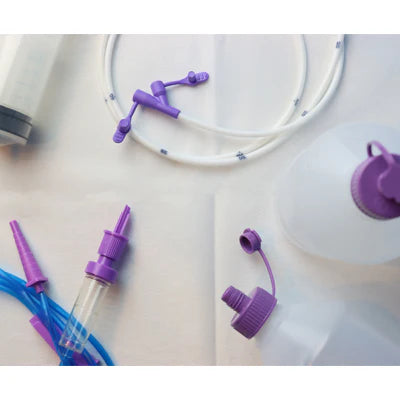
For hundreds of thousands of individuals and families managing feeding tubes, proper care and maintenance can seem overwhelming at first. Whether you or a loved one has recently received a gastrostomy tube (G-tube), jejunostomy tube (J-tube), or percutaneous endoscopic gastrostomy (PEG) tube, mastering the daily care routine is essential for preventing complications and maintaining optimal health. This comprehensive guide walks you through everything you need to know about feeding tube care, from daily cleaning procedures to troubleshooting common issues.
Understanding Different Types of Feeding Tubes
Feeding tubes provide nutrition, hydration, and medications to individuals who cannot safely consume food or liquids by mouth. Understanding which type of feeding tube you have helps you follow the appropriate care procedures.
Nasogastric (NG) Tubes
NG tubes are thin, flexible tubes inserted through the nose, down the esophagus, and into the stomach. These tubes are designed for short-term use, typically lasting from a few days to six weeks. Because NG tubes enter through the nose, they can be uncomfortable and are generally replaced with more permanent options if long-term feeding support is needed.
Gastrostomy Tubes (G-Tubes)
G-tubes are surgically placed directly through the abdominal wall into the stomach. These tubes are intended for longer-term use (four weeks or more) and come in two main varieties: standard-length tubes with external bumpers and low-profile button tubes that sit flush against the skin. The MIC-KEY button is one of the most common low-profile G-tube brands, offering a discreet appearance and requiring an extension set for feeding.
Percutaneous Endoscopic Gastrostomy (PEG) Tubes
PEG tubes are a specific type of G-tube placed using an endoscopic procedure. While all PEG tubes are G-tubes, not all G-tubes are PEG tubes -- the distinction relates to the placement method. PEG tubes typically have a mushroom-shaped internal bumper or water-filled balloon that holds the tube in place against the stomach wall.
Jejunostomy Tubes (J-Tubes)
J-tubes are surgically placed directly into the jejunum, the second portion of the small intestine. These tubes bypass the stomach entirely and are used when the stomach cannot tolerate feedings due to conditions like gastroparesis, reflux, or recent surgery. J-tubes require continuous feeding rather than bolus (all-at-once) feedings.
Gastro-Jejunal (GJ) Tubes
GJ tubes are dual-port tubes with one port accessing the stomach (for venting or medication) and another accessing the jejunum for feeding. These combination tubes offer flexibility for complex feeding needs.
Daily Cleaning and Stoma Site Care
Proper daily cleaning is your first line of defense against infection and skin irritation. The stoma (the opening where the tube enters your body) requires consistent care to stay healthy.
Daily Cleaning Routine
Always wash your hands thoroughly with soap and water before touching the feeding tube or stoma site. This simple step prevents introducing bacteria to the area.
Inspect the stoma site daily for signs of problems. Check for redness, swelling, unusual discharge, bleeding, or granulation tissue (pink, fleshy tissue growth around the opening). A small amount of clear or tan drainage is normal, but thick, yellow, green, or foul-smelling discharge may indicate infection.
Clean around the stoma and tube using a soft cloth, cotton swabs, or gauze dipped in warm, soapy water. Use gentle circular motions, working from the stoma outward. This technique prevents pushing bacteria toward the opening. Rinse thoroughly with clean water to remove all soap residue, as leftover soap can irritate the skin.
Pat the area completely dry with a clean towel or gauze. Keeping the skin dry is crucial because bacteria thrive in warm, moist environments. If you notice moisture between cleanings, gently dry the area and consider using a barrier cream or powder recommended by your healthcare provider.
Rotate the tube 360 degrees once daily (only if you have a G-tube or PEG tube; never rotate a J-tube or GJ-tube as this can dislodge the tube). This rotation allows air circulation, relieves pressure, and prevents tissue from adhering to the tube. If the tube won't rotate easily, don't force it and contact your healthcare team.
Check the tube positioning by looking at the external length markings. The measurement should remain consistent from day to day. If you notice significant changes, the tube may have moved and should be evaluated by your healthcare provider.
Most feeding tubes don't require dressings once the stoma has healed (typically 2-4 weeks after placement). However, if your healthcare team recommends using a dressing, change it daily or whenever it becomes wet or soiled. Never leave a wet dressing in place as this creates an ideal environment for bacterial growth and skin breakdown.
Managing Skin Irritation and Protection
Gastric contents and feeding formula that leak around the tube can cause significant skin irritation because stomach acid is highly caustic. If leaking occurs, clean the affected skin with water several times daily and pat dry thoroughly. Your healthcare provider may recommend barrier creams or ointments to protect the skin.
For persistent leaking problems, check that the tube is properly secured at a 90-degree angle from the abdomen. If you have a balloon-type tube, verify the balloon is inflated with the correct amount of water. Never adjust the balloon without guidance from your healthcare team.
Flushing Your Feeding Tube
Regular flushing is critical for preventing clogs and maintaining tube function. Water is the best and safest flushing solution.
When to Flush
Flush your feeding tube with warm water:
- Before the first feeding of the day
- After the last feeding of the day
- Before and after each bolus feeding
- Every 4-6 hours during continuous feeding
- Before and after giving each medication
- At least every 8 hours even if the tube isn't being used
How Much Water to Use
Adults typically need 30-60 mL (1-2 ounces) of water for each flush. Pediatric patients generally require 5-15 mL per flush. Your healthcare provider will specify the exact amount appropriate for your situation, especially if you're on fluid restrictions.
Proper Flushing Technique
Fill a clean bowl with warm tap water. Insert the syringe tip into the water and draw the appropriate amount into the syringe. For low-profile button tubes, connect the extension set before flushing.
Insert the syringe tip into the feeding port. If you have a plug-in port, push the tip into the feeding tube port. If you have a twist-on ENFit connector, screw the syringe onto the port.
Gently push the plunger down, allowing water to flow through the tube. Don't force water if you meet resistance, as this may indicate a clog that requires different treatment.
Administering Medications Through Feeding Tubes
Many medications can be given through feeding tubes, but proper technique is essential to prevent clogs and ensure medication effectiveness.
Before giving any medication through a feeding tube, verify with your pharmacist or healthcare provider that the medication is appropriate for tube administration. Some medications, particularly extended-release or enteric-coated formulations, should never be crushed or given through feeding tubes.
For liquid medications, give them directly through the medication port without dilution unless instructed otherwise.
For tablets, crush them into a fine powder and mix thoroughly with enough water to create a liquid consistency. Some medications taste bitter or may stain, so mixing with a small amount of water (just enough to create a liquid) is better than over-diluting.
For capsules, check with your pharmacist before opening them. If approved, open the capsule and dissolve the contents in water.
Always give medications one at a time with a water flush between each medication. This prevents drug interactions and reduces clogging risk. Never mix medications together or with feeding formula unless specifically instructed by your healthcare team.
After administering all medications, flush the tube thoroughly with water. Thick medications like certain antibiotics may require extra flushing to completely clear the tube.
Troubleshooting Common Feeding Tube Problems
Even with excellent care, you may encounter challenges with your feeding tube. Knowing how to respond quickly can prevent complications.
Clogged Tubes
Prevention is the best approach to tube clogs. Consistent flushing with adequate amounts of water before and after feedings and medications dramatically reduces clogging risk.
If your tube becomes clogged despite regular flushing, first check that the tube isn't kinked or clamped. Then try flushing with 10-20 mL of warm water using gentle pressure. Never use force, as this can damage the tube or cause it to dislodge.
If warm water doesn't work, you can try using an acidic liquid like cranberry juice or cola. Draw 10-15 mL of the liquid into a syringe and gently push it into the tube. Let it sit for 15-30 minutes, then try flushing again with warm water.
Some healthcare providers recommend using meat tenderizer solution for stubborn clogs. Mix a small amount of papain-based meat tenderizer with water, inject 10-15 mL into the tube, clamp it near the stoma, and let it sit for 30-60 minutes before flushing.
Never try to push objects like cotton swabs, wires, or unclogging tools into the tube yourself unless you've been specifically trained to use commercial unclogging devices. If home remedies don't clear the clog, contact your healthcare provider. The tube may need professional attention or replacement.
Leaking Around the Tube
Some leaking is normal, especially during bolus feedings or if the stomach empties slowly. However, significant leaking that soaks through multiple dressings daily requires investigation.
Common causes of excessive leaking include feeding too quickly or giving too much formula at once. If bolus feedings cause leaking, try slowing the feeding rate or switching to smaller, more frequent feedings. Always consult your healthcare team before changing your feeding schedule.
Check that your tube is properly secured and positioned at a 90-degree angle from your abdomen to minimize irritation and movement. Loose tubes that wiggle or pull are more likely to leak.
For balloon-type tubes, check the balloon water volume weekly. Attach a syringe to the balloon port and withdraw all the water to measure it. If the volume is less than prescribed, the balloon may be slowly deflating. Refill to the correct volume and check again the next day. If the balloon continues to lose water, it may have developed a leak and require tube replacement.
Sometimes leaking occurs because the tube no longer fits properly due to weight gain or loss. A weight gain may cause the tube to be buried in skin folds, while weight loss may leave the tube too long for the tract. Your healthcare provider can assess whether you need a different length tube.
Excessive leaking that persists despite troubleshooting should be evaluated by your healthcare team, as it can lead to skin breakdown, nutrient loss, and infection.
Granulation Tissue
Granulation tissue appears as pink, red, or beefy-looking excess tissue growing around the stoma. It's vascular (contains many blood vessels), so it bleeds easily and may cause discomfort. The tissue can also produce excess drainage and prevent proper healing around the tube.
Granulation tissue often develops when the tube moves too freely, creating friction at the wound site. Ensuring your tube is properly secured and positioned can help prevent this issue.
Small amounts of granulation tissue that don't bleed or cause problems don't necessarily require treatment. However, if the tissue bleeds, causes pain, or interferes with tube function, treatment options include topical silver nitrate application (performed by a healthcare provider), corticosteroid creams applied for 7-10 days, or sprinkling table salt on the tissue once daily until it flattens.
Never attempt to remove granulation tissue yourself. Always consult your healthcare provider for proper treatment.
Skin Infections
While proper cleaning keeps infection risk low, skin infections can occur. Signs of infection include spreading redness beyond the immediate stoma area, increased warmth and tenderness, swelling, pus or thick yellow-green discharge with a foul odor, fever over 101 degrees F (38.3 degrees C), and significant pain.
If you suspect an infection, contact your healthcare provider immediately. They may prescribe topical antiseptic ointments for mild infections or oral/IV antibiotics for more severe cases. Clean the area frequently with soap and water and apply any prescribed treatments as directed.
True skin infections differ from normal redness and clear drainage that commonly occur with feeding tubes. Learning to distinguish between normal irritation and infection helps you respond appropriately.
Accidental Tube Removal
If your feeding tube comes out, the response depends on how long the tube has been in place.
Within the First 2-3 Weeks: The tract hasn't fully formed yet. Cover the stoma with a clean dressing or towel and go to the emergency department or contact your healthcare provider immediately. Don't attempt to reinsert the tube yourself. Bring your backup tube kit with you. Once the tube is replaced, an X-ray will confirm proper positioning.
After 3 Months (Mature Tract): If you've been trained in tube replacement and have a backup tube, you can attempt gentle reinsertion following the procedure you were taught. Use sterile lubricant on the tube tip to ease insertion. The stoma can begin closing within 2-4 hours, so act quickly.
If you haven't been trained in tube replacement or can't reinsert the tube, cover the site with a clean dressing and contact your healthcare provider or go to the emergency department. Some people keep a Foley catheter in their emergency kit to insert into the stoma temporarily to keep it open until the feeding tube can be replaced.
After reinserting a balloon-type tube, inflate the balloon with the prescribed amount of sterile water. Check tube placement before using it for feeding by attempting to withdraw stomach contents or as instructed by your healthcare team.
When to Replace Tubes and Supplies
Feeding tubes and their accessories have specific lifespans and replacement schedules.
Tube Replacement
Most gastrostomy tubes last approximately 6 months before the silicone or polyurethane material begins to deteriorate. Signs that replacement is needed include cracks in the tube material, balloon leaks that can't maintain proper water volume, damaged or torn anti-reflux valves, and general wear that affects tube function.
Your healthcare provider will typically schedule routine tube replacements. Many patients learn to change their own low-profile button tubes at home after proper training, while long tubes and certain types require professional replacement.
Extension Set Replacement
Extension sets for button tubes are disposable supplies that should be replaced regularly. Check with your insurance provider to determine how many extension sets you receive monthly (commonly 10-30 sets per month).
Clean extension sets daily with warm water, rinse thoroughly, and allow them to air dry on a clean surface. Replace the extension set if you cannot clean residue from it, if the plastic becomes damaged, or if it kinks during use. Remove the extension from the button when not actively feeding or giving medications to extend its life.
Syringes and Feeding Supplies
Wash feeding syringes with warm water and mild soap after each use, rinse well, air dry, and store in a clean area. Replace syringes when they become sticky, hard to push, or show signs of wear.
Replace feeding bags and tubing according to the manufacturer's recommendations, typically every 24-48 hours for open formula systems and weekly for closed formula systems.
Special Considerations for Daily Life
Living with a feeding tube doesn't mean giving up normal activities, but some adjustments help protect the tube and stoma site.
Bathing and Showering
Once the stoma has healed (typically 2-4 weeks after placement), you can bathe or shower normally. Use mild soap and water to clean the tube site, rinse thoroughly, and dry completely afterward. Avoid leaving the site wet for extended periods.
During the initial healing period, you may need to cover the site with plastic during showers and avoid direct water spray on the area. Follow your healthcare team's specific instructions.
Clothing and Tube Security
Secure the feeding tube under clothing to prevent accidental pulling. For infants and young children, one-piece snap T-shirts work well. Older children and adults can use tube holders, belly bands, or ace wraps to keep tubes secure during activity.
For low-profile buttons, the compact design usually stays out of the way during normal activities. When using an extension set during feeding, secure it to prevent tugging on the button.
Physical Activity and Exercise
Most physical activities, including tummy time for infants, are allowed once the stoma has healed. Secure the tube properly and avoid activities that put direct pressure on the tube site or risk catching the tube on equipment.
Check the stoma for leaking after physical activity. If new leaking develops, you may need to adjust how you secure the tube or modify certain movements.
Swimming is generally allowed after complete healing (3+ months) with approval from your healthcare provider. Button tubes are more suitable for swimming than long tubes because they're less likely to catch or pull.
School and Work
If a child with a feeding tube attends school, advance planning is essential. Provide the school nurse and teachers with information about the feeding schedule, how to administer feedings if needed, what to do if the tube becomes dislodged, and emergency contact information.
Many adults with feeding tubes work full-time. Portable feeding pumps in backpacks allow continuous feeding during work hours without interrupting activities.
Emergency Situations and When to Seek Help
While many feeding tube issues can be managed at home, certain situations require immediate medical attention.
Contact your healthcare provider or go to the emergency department if you experience:
- Severe abdominal pain, especially with fever
- Persistent nausea and vomiting that doesn't improve
- Significant abdominal distention or bloating
- Signs of peritonitis (rigid abdomen, severe pain, high fever)
- Tube displacement that you cannot resolve
- Signs of severe infection (spreading redness, fever over 101 degrees F, pus)
- Inability to flush the tube after troubleshooting attempts
- Tube damage that prevents proper function
- Excessive bleeding from the stoma that doesn't stop with pressure
- Suspected aspiration (coughing, choking, difficulty breathing after feeding)
Keep emergency contact information readily available, including your gastroenterologist or surgeon who placed the tube, your primary care provider, and the after-hours on-call service for your medical team.
Maintaining Your Feeding Tube Supply Kit
Being prepared with the right supplies makes feeding tube care easier and helps you respond effectively to problems.
Essential Daily Supplies
- Clean syringes (various sizes: 5-10 mL for balloon checks, 30-60 mL for flushing and feeding)
- Extension sets (for button tubes)
- Warm water for flushing
- Mild soap
- Clean cloths or gauze pads
- Cotton-tipped applicators for detailed cleaning
- Medical tape for securing tubes
- Barrier cream or ointment if recommended
Emergency Kit Items
- Backup feeding tube (same size and type as current tube)
- Foley catheter (can be inserted to keep stoma open if tube falls out)
- Water-soluble lubricant for tube insertion
- Sterile or distilled water for balloon inflation
- Extra syringes
- Gauze dressings
- Your healthcare provider's emergency contact information
- Written instructions for tube replacement and troubleshooting
Keep your emergency kit current by checking expiration dates and replacing items as needed. When traveling, always bring your emergency kit with you.
Product Recommendations for Feeding Tube Care
Having quality feeding tube supplies makes daily care more efficient and comfortable. Essential products for feeding tube management include:
MIC-KEY Gastrostomy Feeding Tube Kits provide complete low-profile button solutions with anti-reflux valves, silicone balloons, and all necessary components for secure, comfortable feeding access. These kits are available in various French sizes to accommodate different patient needs.
AMT Feeding Tube Systems offer reliable gastrostomy and gastro-jejunostomy options with innovative designs for easy replacement and maintenance. AMT balloon gastrostomy tubes and MiniONE buttons provide excellent alternatives for long-term feeding tube users.
Kangaroo Connect Enteral Feeding Pumps deliver precise, controlled feeding rates for continuous nutrition delivery. These pumps offer programmable settings, alarms for safety, and portable design for active lifestyles.
Extension Sets and Feeding Supplies including bolus feeding adapters, gravity feeding bags, and connection accessories ensure you have everything needed for safe, effective feeding administration.
Feeding Tube Syringes designed specifically for enteral use come in catheter-tip and ENFit styles to match your tube's connector type. These syringes provide accurate measurement and smooth operation for flushing and medication administration.
When selecting feeding tube products, verify compatibility with your specific tube type and connector style. ENFit connections are becoming the standard for feeding tubes to prevent dangerous misconnections with IV lines.
Conclusion
Mastering feeding tube care takes time and practice, but with proper technique and consistent maintenance, you can prevent most complications and maintain a healthy stoma site. The key principles are simple: keep everything clean and dry, flush regularly to prevent clogs, secure the tube to minimize movement, monitor for early signs of problems, and don't hesitate to contact your healthcare team with concerns.
Remember that every feeding tube user's situation is unique. While this guide provides general information applicable to most people with G-tubes, J-tubes, and PEG tubes, always follow the specific instructions provided by your healthcare team. They know your medical history, your specific tube type, and your individual needs.
With proper care and attention, feeding tubes provide safe, reliable nutrition support that allows individuals to thrive, maintain their quality of life, and participate fully in work, school, and recreational activities. Don't let initial concerns overwhelm you -- thousands of people successfully manage feeding tubes at home every day, and with the right knowledge and support, you can too.
If you have questions about feeding tube care, need replacement supplies, or want to discuss your specific feeding tube needs, consult with your healthcare provider or contact a medical supply specialist who can help you find the right products for your situation.