
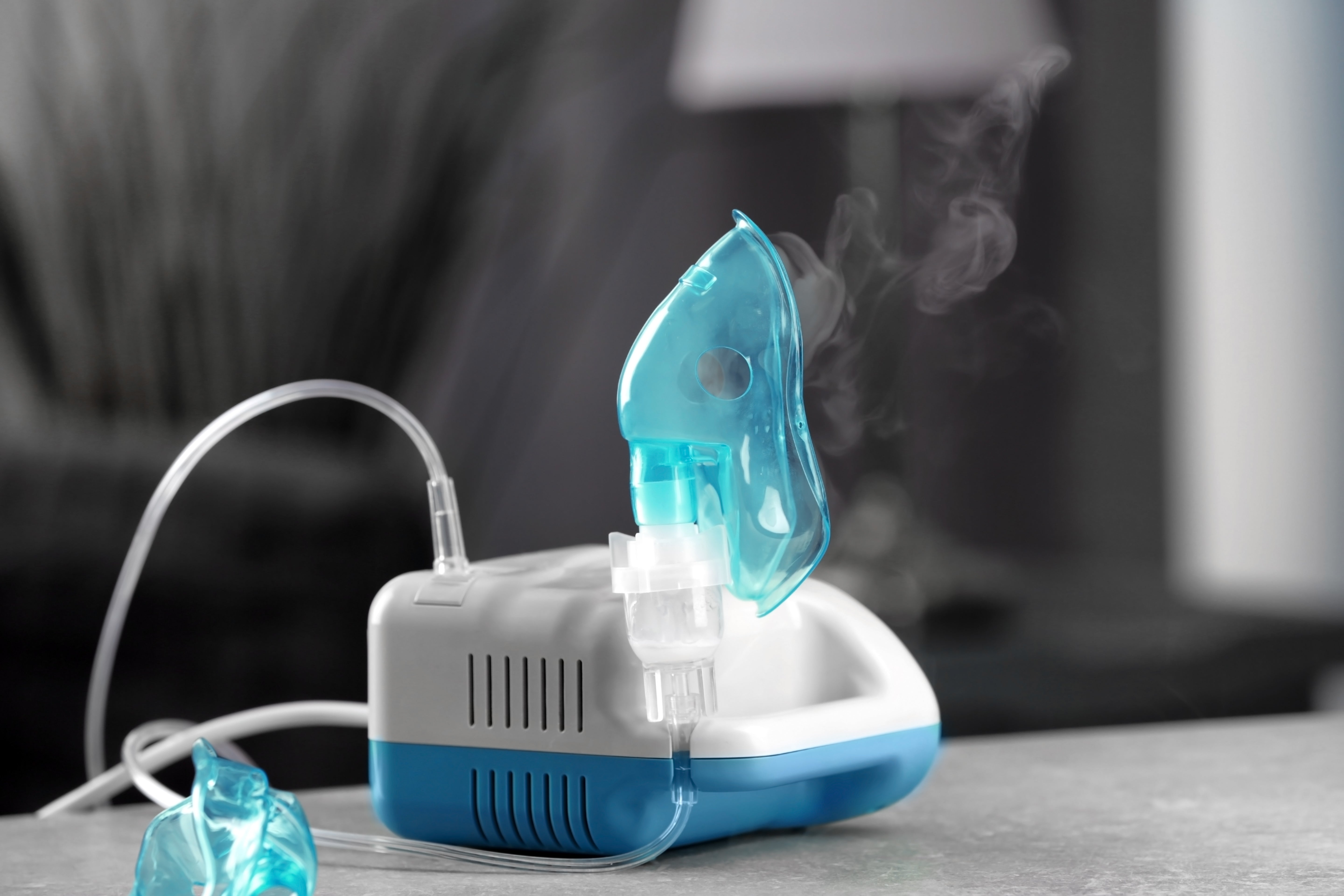
If you use a nebulizer to manage asthma, COPD, cystic fibrosis, or other respiratory conditions, proper care and maintenance are essential for effective treatment and infection prevention. A well-maintained nebulizer delivers medication efficiently, while poor maintenance can lead to reduced treatment effectiveness and increased infection risk.
This comprehensive guide covers everything you need to know about using your nebulizer correctly, cleaning it after each use, disinfecting it weekly, and knowing when to replace parts.
What You'll Learn in This Guide
How nebulizers work and when to use them
Step-by-step usage instructions for effective treatment
Daily cleaning routine after each use
Weekly disinfection methods and schedules
When to replace nebulizer parts and accessories
Troubleshooting common nebulizer problems
Choosing between portable and home nebulizer systems
Understanding How Nebulizers Work
A nebulizer is a medical device that converts liquid medication into a fine mist that can be easily inhaled into your lungs. This mist form allows the medication to reach deep into the airways where it's needed most, making nebulizers particularly effective for treating respiratory conditions.
Nebulizers are often recommended for patients who have difficulty using metered-dose inhalers, cannot inhale deeply enough for other devices, or need to deliver larger medication doses. They're commonly used for asthma, COPD, bronchitis, emphysema, and cystic fibrosis.
Types of Nebulizers
Jet nebulizers use compressed air to create medication mist. These are the most common type and include compressor-based systems. The PARI Respiratory LC Sprint Reusable Nebulizer represents a high-performance jet nebulizer delivering consistent particle size for targeted lung delivery.
Ultrasonic nebulizers use high-frequency sound vibrations to create mist. They're quieter than jet nebulizers but typically cost more.
Portable nebulizers offer battery-powered or car adapter options for treatment on the go. The DeVilbiss Traveler Portable Compressor Nebulizer provides compact, lightweight portability with both AC and DC adapters.
Nebulizer Components
A typical nebulizer system includes:
Air compressor (the main machine)
Medicine cup or nebulizer chamber
Mouthpiece or face mask
Connecting tubing
Air filter (in the compressor)
T-shaped connector or top piece
Understanding these components helps you clean and maintain your system properly.
How to Use Your Nebulizer: Step-by-Step Instructions
Proper technique ensures you receive the full medication dose and maximum treatment benefit.
Setup and Preparation
1. Choose a comfortable location. Select a well-lit area where you won't be interrupted. Sit in a comfortable, straight-backed chair - proper posture allows for better lung expansion.
2. Wash your hands thoroughly with soap and warm water. This prevents contamination of your medication and equipment.
3. Place the compressor on a sturdy surface like a table or desk. Never place it on the floor during treatments or storage, as this exposes it to dust and debris.
4. Inspect your equipment. Check that all parts are clean, dry, and in good condition before assembling.
5. Plug the compressor into a properly grounded three-prong electrical outlet.
Assembling Your Nebulizer
1. Remove the top piece of the nebulizer cup by twisting or lifting it off.
2. Pour your prescribed medication into the medicine cup. Measure exactly as prescribed by your healthcare provider. Most nebulizers work best with at least 2-4 mL of solution.
3. Attach the top portion of the nebulizer cup and secure it tightly to prevent spills. Always hold the mouthpiece straight up and down when assembled.
4. Connect the mouthpiece or face mask to the medicine cup. For adults, mouthpieces typically deliver medication more effectively. Face masks work better for young children or patients who have difficulty using a mouthpiece.
5. Connect one end of the tubing to the nebulizer cup and the other end to the air compressor outlet.
Taking Your Treatment
1. Turn on the compressor using the on/off switch. You should see a light mist coming from the mouthpiece within seconds.
2. Place the mouthpiece in your mouth and close your lips firmly around it. This ensures all medication goes into your lungs rather than escaping into the air. If using a face mask, place it snugly over your nose and mouth.
3. Breathe normally through your mouth. Take slow, regular breaths - there's no need to force deep breaths or hold your breath. The medication enters your lungs naturally with normal breathing.
4. Continue breathing the mist until the medicine cup is empty. This typically takes 5 to 15 minutes depending on the medication amount and nebulizer type.
5. If the mist production slows, gently tap the side of the nebulizer cup. This helps remaining medication drop to the bottom where it can be nebulized.
6. Treatment is complete when you hear a sputtering sound and see no more mist production.
After Treatment
1. Turn off the compressor and unplug it from the electrical outlet.
2. Rinse your mouth with water. This removes medication residue and helps prevent oral thrush (a fungal infection) from developing.
3. Immediately begin cleaning your nebulizer components as described in the next section.
Daily Cleaning Routine: After Every Use
Cleaning your nebulizer after each treatment prevents medication buildup, reduces bacterial growth, and ensures your device continues working properly. Dried medication can clog the system and reduce mist output.
Quick Rinse Method (After Each Treatment)
1. Disconnect the tubing from the medicine cup. Set the tubing aside with the compressor - never wash or rinse tubing as moisture inside promotes bacterial growth.
2. Disassemble the nebulizer. Remove the mouthpiece or mask from the medicine cup. Separate all parts that came in contact with medication.
3. Rinse all parts (except tubing) with warm water. Hold each piece under running water for 15-30 seconds to remove medication residue.
4. Shake off excess water from each piece.
5. Place parts on a clean, lint-free towel or paper towel to air dry completely. Proper drying is crucial - bacteria thrive in moisture.
6. Allow at least 30-60 minutes for complete drying before reassembling or storing.
Daily Washing (End of Day)
After your final treatment each day, perform a more thorough cleaning:
1. Disassemble the nebulizer as described above.
2. Wash the medicine cup, mouthpiece or mask, and top piece in warm water with mild dish soap. Use your hands or a soft sponge - avoid abrasive scrubbers that can scratch plastic.
3. Rinse thoroughly under warm running water to remove all soap residue. Soap residue can cause irritation if inhaled during your next treatment.
4. Shake off excess water and place on a clean towel to air dry completely.
5. Once dry, you can reassemble and turn on the compressor for 30 seconds to help dry any remaining moisture.
6. Store in a clean, dry location covered with a clean cloth to protect from dust.
Important Notes on Tubing
Never wash, rinse, or submerge nebulizer tubing in water. Moisture trapped inside tubing cannot dry properly and creates an environment for bacterial growth. Instead:
Wipe the outside of tubing with a clean, damp cloth if needed
Replace tubing every 6 months or sooner if it shows wear
Inspect regularly for cracks, discoloration (yellowing), or stiffness
Weekly Disinfection: Preventing Infection
While daily cleaning removes visible residue, weekly disinfection kills bacteria, viruses, and fungi that can colonize your nebulizer and potentially cause lung infections. Research shows that up to 70% of nebulizer users develop bacterial contamination without proper disinfection.
When to Disinfect
Disinfect your nebulizer parts once per week, or more frequently if directed by your healthcare provider. Some patients with compromised immune systems or cystic fibrosis may need to disinfect daily.
Disinfection Methods
Choose one of these methods based on your nebulizer type and manufacturer instructions:
Method 1: White Vinegar Soak (Most Common)
1. Wash parts with soap and water first, as described in the daily cleaning section.
2. Prepare disinfecting solution: Mix 1 part white vinegar to 3 parts hot water in a clean bowl. Use enough solution to completely submerge your nebulizer parts.
3. Soak the medicine cup, mouthpiece or mask, and top piece in the vinegar solution for 30-60 minutes.
4. Remove parts from solution and rinse thoroughly with warm water. Some people prefer using distilled or sterile water for the final rinse.
5. Shake off excess water and allow parts to air dry completely on a clean towel.
6. Discard the vinegar solution after each use - never reuse disinfecting solution.
Method 2: Isopropyl Alcohol Soak
1. Wash parts with soap and water first.
2. Soak nebulizer parts in 70% isopropyl alcohol for 5 minutes.
3. Rinse thoroughly with sterile or distilled water.
4. Air dry completely on a clean towel.
Method 3: Hydrogen Peroxide Soak
1. Wash parts with soap and water first.
2. Soak nebulizer parts in 3% hydrogen peroxide for 30 minutes.
3. Rinse thoroughly with sterile or distilled water.
4. Air dry completely on a clean towel.
Method 4: Boiling (for Reusable, Heat-Safe Parts Only)
1. Wash parts with soap and water first.
2. Place parts in a pot of water and bring to a rolling boil.
3. Boil for 5 minutes.
4. Remove carefully with tongs and place on a clean towel to air dry.
5. Warning: Only use this method if your manufacturer specifies that parts are heat-safe. Many plastic nebulizer parts can warp or melt from boiling.
Method 5: Dishwasher (if Manufacturer Approves)
1. Place nebulizer parts in the top rack of the dishwasher only.
2. Run a full cycle with hot water (158 degrees F or higher) for 30 minutes.
3. Remove and allow to air dry completely.
4. Note: Never place masks in the dishwasher. Some nebulizers like the PARI LC Plus Reusable Nebulizer are dishwasher-safe, but always verify with your specific model's instructions.
Method 6: Electric Steam Sterilizer
1. Place clean nebulizer parts in a baby bottle sterilizer.
2. Follow the sterilizer manufacturer's instructions for cycle time.
3. Remove and allow to air dry.
After Disinfection
1. Ensure all parts are completely dry before reassembling or storing. Any remaining moisture can promote bacterial growth.
2. Reassemble the nebulizer and connect to tubing.
3. Turn on the compressor for 30 seconds to 1 minute. This helps remove any remaining moisture from inside the parts.
4. Store covered in a clean, dry place.
Compressor Maintenance
Your nebulizer compressor requires minimal maintenance but proper care extends its lifespan.
Cleaning the Compressor
1. Always unplug the compressor before cleaning.
2. Wipe the exterior with a clean, damp cloth or disinfectant wipe weekly.
3. Never submerge the compressor in water.
4. Cover the compressor with a clean cloth when not in use to prevent dust accumulation.
5. Keep the compressor off the floor during treatments and storage.
Air Filter Replacement
The air filter in your compressor keeps dust and particles out of your medication and lungs. Regular replacement is essential.
1. Check the filter monthly. Most filters are located on the side or back of the compressor.
2. Replace the filter every 6 months, or sooner if it appears gray or discolored.
3. Use only filters designed for your specific nebulizer model. Omron Nebulizer Filters provide high-quality felt filtration for compatible systems.
4. A clogged filter makes the compressor work harder, produces less mist, and can eventually cause the unit to fail.
5. Never wash or reuse disposable filters.
When to Replace Nebulizer Parts
Even with proper cleaning, nebulizer parts degrade over time. Plastics break down, components lose their seal, and performance decreases. Regular replacement ensures effective treatment and reduces infection risk.
Replacement Schedule
Nebulizer Medicine Cup
Disposable cups: Replace after 10-14 treatments (approximately 1-2 weeks of daily use)
Reusable cups: Replace every 6 months
Replace sooner if the cup appears cloudy, scratched, or cracked
Some systems like the PARI nebulizers include TimeStrip indicators that visually show when it's time to replace the cup
Mouthpiece or Face Mask
Disposable: Replace after 5-7 uses
Reusable: Replace every 6 months
Replace immediately if it doesn't seal properly, becomes cloudy, or shows cracks
A poor seal reduces medication delivery to your lungs
Tubing
Replace every 6 months as a standard practice
Replace immediately if you notice:
Cracks or holes
Yellowing or discoloration
Stiffness or loss of flexibility
Poor connection to compressor or nebulizer
Some users replace tubing every 2-3 months with heavy use
Compressor Air Filter
Replace every 6 months
Replace sooner if the filter appears gray, yellow, or clogged
Check monthly for discoloration
Complete Compressor Unit
Expected lifespan: 3-5 years with proper maintenance
Replace if you notice:
Significantly longer treatment times with same medication dose
Weak or inconsistent mist production
Unusual noises, overheating, or burning smells
Weak airflow even with new filter
T-Piece, Connectors, and Accessories
Replace every 6 months
Replace immediately if cracked or damaged
Why Timely Replacement Matters
Using worn parts beyond their recommended lifespan creates several problems:
Reduced medication delivery to your lungs
Longer treatment times
Increased risk of bacterial contamination
Equipment malfunction or failure
Wasted medication
Keep spare parts on hand so you're never without working equipment. Stock extras of frequently replaced items like medicine cups, mouthpieces, filters, and tubing.
Troubleshooting Common Nebulizer Problems
Even well-maintained nebulizers occasionally encounter issues. Here's how to diagnose and fix common problems:
Problem: No Mist or Very Weak Mist
Possible causes and solutions:
1. Clogged or dirty air filter - Check and replace filter
2. Medication cup not seated properly - Disassemble and reassemble, ensuring tight connections
3. Tubing disconnected or has holes - Check all connections; replace damaged tubing
4. Medication cup is old or damaged - Replace medicine cup
5. Dried medication blocking nebulizer ports - Soak cup in warm water, then clean thoroughly
6. Insufficient medication volume - Ensure at least 2-4 mL of solution in cup
7. Compressor motor weakening - May need compressor replacement if unit is old
Problem: Treatment Takes Much Longer Than Usual
Possible causes and solutions:
1. Worn or clogged medicine cup - Replace medicine cup
2. Dirty or old air filter - Replace filter
3. Weakening compressor - Check compressor airflow; may need replacement
4. Medication dried in small openings - Disinfect thoroughly, soak in vinegar solution
Problem: Compressor Runs But No Air Flow
Possible causes and solutions:
1. Severely clogged filter - Replace filter immediately
2. Tubing kinked or blocked - Straighten or replace tubing
3. Compressor malfunction - Contact manufacturer or replace unit
Problem: Sputtering or Inconsistent Mist
Possible causes and solutions:
1. Low medication volume - This is normal as medication runs out; treatment is complete
2. Cup not level - Hold nebulizer upright during treatment
3. Medication cup damaged - Replace cup
Problem: Medication Leaking from Cup
Possible causes and solutions:
1. Cup not sealed tightly - Disassemble and reassemble with secure seal
2. Cracked medicine cup - Replace immediately
3. Overfilled medication cup - Use only the prescribed amount
4. Worn rubber gasket or seal - Replace gasket or entire cup
Problem: Compressor Overheating
Possible causes and solutions:
1. Blocked air vents - Clean exterior; ensure compressor has adequate airflow
2. Dirty filter restricting airflow - Replace filter
3. Continuous use beyond recommended timeframe - Allow cooling periods; most compressors need 30-minute breaks after 30 minutes of use
4. Aging compressor - May need replacement
Proper Medication Handling and Storage
How you handle and store nebulizer medications affects treatment effectiveness.
Medication Storage Guidelines
1. Store in a cool, dry place away from direct sunlight and heat sources.
2. Check expiration dates regularly. Discard expired medications.
3. Inspect medications before each use. Look for:
Color changes
Crystal formation
Cloudiness in normally clear solutions
Particles or sediment
4. If medications appear abnormal, do not use them. Contact your pharmacy for replacement.
5. Keep medications in original packaging until use to protect from contamination.
6. Store unit-dose vials in their foil packaging until needed.
Using Medications Safely
1. Always use medications exactly as prescribed by your healthcare provider.
2. Wash your hands before handling medication vials or ampules.
3. Use a new medication dose for each treatment - never reuse leftover medication from the cup.
4. If combining multiple medications in one treatment, verify with your healthcare provider that mixing is appropriate.
5. Never share nebulizer medications or equipment with others.
Portable vs. Home Nebulizer Systems
Understanding the differences helps you choose the right system for your lifestyle.
Home/Table-Top Nebulizers
Advantages:
More powerful motors for faster treatment
Larger medication cups
Typically less expensive
Longer lifespan with proper care
Often quieter operation
Disadvantages:
Requires electrical outlet
Less portable
Larger and heavier
The Micro Mist Nebulizer offers economical performance for home treatments with consistent medication delivery.
Portable/Travel Nebulizers
Advantages:
Lightweight and compact
Battery-powered or car adapter options
Travel-friendly
Use anywhere without electrical outlet
Great for work, school, or travel
Disadvantages:
Higher initial cost
Batteries require replacement or recharging
May have smaller medication cup capacity
Treatments may take slightly longer
The DeVilbiss Traveler Portable Compressor Nebulizer with Battery provides ultimate portability with one-touch operation and both AC/DC adapter options.
For Active Lifestyles
If you need treatments multiple times daily or travel frequently, consider having both a home unit and a portable unit. This ensures you never miss a treatment regardless of your location.
Special Considerations for Children
Pediatric nebulizer use requires additional considerations for safety and compliance.
Making Treatments Easier for Children
1. Use child-friendly designs. The Pediatric Dog Nebulizer features engaging animal designs that help children feel more comfortable during treatments.
2. Always use a face mask for young children who cannot use a mouthpiece effectively.
3. Ensure the mask fits snugly over both nose and mouth for proper medication delivery.
4. Create a treatment routine at the same time each day to build consistency.
5. Use distraction techniques like books, videos, or songs during treatment.
6. Never force a screaming child to use a nebulizer - medication won't reach the lungs effectively when crying.
7. Supervise all treatments to ensure proper use and safety.
Cleaning Pediatric Nebulizers
Follow the same cleaning and disinfection procedures as adult nebulizers, but:
Disinfect more frequently if the child is in daycare or school
Replace masks more often if damaged by chewing
Store out of reach of children when not in use
Teach older children proper hygiene and cleaning procedures
Supplies to Keep on Hand
Maintaining a stock of replacement parts ensures uninterrupted treatment:
Essential Backup Supplies:
Extra medicine cups (2-3)
Replacement mouthpiece or mask (2-3)
Extra tubing (2-3 pieces)
Replacement air filters (pack of 5-10)
Cleaning supplies (dish soap, white vinegar)
Disinfecting wipes or solution
Browse our complete respiratory supplies collection for nebulizers, replacement parts, and accessories.
For reusable nebulizer systems requiring regular replacement, stock options include:
PARI Respiratory LC Plus Reusable Nebulizer
PARI Respiratory LC Sprint Reusable Nebulizer
For disposable options:
Vixone Disposable Nebulizer with Tubing
AirLife Prefilled Nebulizer Kit
When to Contact Your Healthcare Provider
Seek medical advice if you experience:
Increased difficulty breathing despite nebulizer treatments
Blue lips or face
Chest pain
Confusion or extreme drowsiness during or after treatment
Rapid heartbeat or jitteriness that persists
Symptoms that aren't improving with prescribed treatments
Questions about your medication regimen
Persistent equipment problems affecting treatment delivery
Emergency Warning Signs
Call 911 or seek emergency care immediately if you experience:
Severe trouble breathing
Blue or gray lips or face
Chest pain
Inability to speak in full sentences
Confusion or altered consciousness
Maintaining Your Nebulizer for Long-Term Success
Proper nebulizer care combines daily maintenance, weekly disinfection, timely part replacement, and appropriate storage. This routine ensures:
Effective medication delivery to your lungs
Prevention of respiratory infections
Longer equipment lifespan
Consistent treatment quality
Cost savings through reduced equipment failure
Remember these key points:
Daily: Wash with soap and water after final treatment
Weekly: Disinfect all parts that contact medication
Monthly: Check air filter condition
Every 6 Months: Replace medicine cup, mouthpiece/mask, tubing, and air filter
Every 3-5 Years: Replace compressor unit
With consistent care and proper technique, your nebulizer becomes a reliable partner in managing your respiratory condition and maintaining your quality of life.
Explore Respiratory Supplies
Find everything you need for nebulizer therapy including compressor systems, replacement parts, pediatric options, and travel-friendly units in our complete respiratory supplies collection.
Disclaimer: This information is for educational purposes only and should not replace professional medical advice. Always consult with your healthcare provider or respiratory therapist for personalized guidance regarding your nebulizer use and respiratory condition management. Follow the manufacturer's specific instructions for your nebulizer model, as procedures may vary by brand and type.