
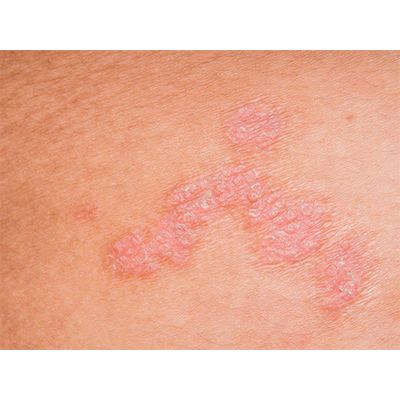
If you or someone you care for manages urinary or fecal incontinence, you may already be familiar with the red, irritated, painful skin that can develop in the areas exposed to moisture. This condition has a name: incontinence-associated dermatitis, or IAD. It's one of the most common and most underrecognized complications of incontinence -- affecting an estimated 45 to 50% of people who experience regular leakage -- and it's almost entirely preventable with the right routine and the right products.
Here's what IAD actually is, why it happens, how to recognize it, and -- most importantly -- what you can do to prevent it and treat it when it occurs.
What Is Incontinence-Associated Dermatitis?
IAD is a form of irritant contact dermatitis -- skin inflammation caused by prolonged or repeated exposure to an irritating substance. In this case, that substance is urine, stool, or both. When moisture sits against the skin for extended periods, it disrupts the skin's natural protective barrier, raising the skin's pH, softening (macerating) the outer layers, and making the skin increasingly vulnerable to friction, bacteria, and fungal infection.
IAD is not the same as a pressure injury (bedsore), though the two can occur together and are sometimes confused. IAD is caused by moisture and chemical irritation; pressure injuries are caused by sustained pressure cutting off circulation. They require different prevention strategies, though people at risk for one are often at risk for the other.
IAD affects the perineal area, perianal skin, buttocks, inner thighs, and -- in more severe cases -- the skin folds of the groin and lower abdomen. The extent of involvement depends on the type of incontinence, how frequently leakage occurs, and how quickly it's addressed.
What Causes IAD?
The root cause is straightforward: skin that's repeatedly exposed to urine or stool without adequate cleansing and protection breaks down over time. But several factors determine who is most at risk and how quickly IAD develops:
- Type of incontinence: Fecal incontinence causes more severe IAD than urinary incontinence alone, because stool contains digestive enzymes (particularly proteases and lipases) that are highly damaging to skin. Double incontinence -- both urinary and fecal -- carries the highest risk.
- Frequency of episodes: The more often moisture contacts skin, the faster the protective barrier breaks down.
- Product fit and absorbency: Incontinence products that don't fit well, aren't changed frequently enough, or lack adequate absorbency allow urine and stool to pool against the skin rather than wicking it away.
- Friction: Movement against a wet brief or pad creates friction on already-compromised skin, accelerating breakdown.
- Age: Older skin is naturally thinner and less resilient, with reduced oil production and slower healing. Elderly adults are at significantly higher IAD risk even with the same moisture exposure as younger individuals.
- Reduced mobility: People who are less able to move independently or who require assistance with personal care tend to spend more time with moisture in contact with skin between changes.
- Soap and water cleansing: Traditional soap raises skin pH and removes natural oils, which actually damages the skin barrier rather than protecting it. This is one of the most common and most correctable contributors to IAD.
Recognizing IAD: What It Looks Like
Catching IAD early -- before it progresses to skin breakdown -- makes treatment much more straightforward. Here's what to look for at different stages:
Early IAD
The skin appears pink or red (though on darker skin tones it may appear darker purple or brown rather than red). The affected area may feel warm to the touch and the person may report itching, stinging, or a burning sensation -- particularly when the area is exposed to urine or stool. The skin surface remains intact at this stage.
Moderate IAD
The redness becomes more intense and may spread. The skin may look shiny or slightly swollen. Some areas may develop small blisters or shallow erosions where the outer skin layer has broken down. The person typically reports increased pain or discomfort, and cleansing the area becomes more uncomfortable.
Severe IAD
Extensive skin breakdown with open areas, weeping, and crusting. The skin may appear deeply eroded or raw. At this stage there is a significant risk of secondary infection -- bacterial or fungal -- which requires medical treatment. Severe IAD causes significant pain and can take weeks to heal even with appropriate treatment.
Secondary Fungal Infection
A complication to watch for alongside IAD is cutaneous candidiasis -- a yeast (Candida) infection that thrives in warm, moist, damaged skin. It appears as a bright red rash with distinct edges and characteristic small red satellite spots just outside the main rash area. If you see this pattern, the IAD has a fungal component that needs antifungal treatment in addition to standard skin care -- consult a healthcare provider.
The Three-Step IAD Prevention and Treatment Protocol
The clinical standard for IAD management is built around three steps: cleanse, moisturize, and protect. Applied consistently at every incontinence episode, this routine prevents IAD from developing and treats existing mild to moderate IAD effectively.
Step 1: Cleanse Gently and Correctly
The way you clean the skin after an incontinence episode matters enormously. Traditional soap and water is actually one of the most common contributors to IAD -- soap strips natural oils, raises pH, and leaves residue that continues to irritate skin even after rinsing. The clinical evidence is clear: pH-balanced, no-rinse incontinence cleansers significantly outperform soap and water for both IAD prevention and treatment.
What to use instead:
- pH-balanced no-rinse cleansing wipes or foams: Formulated to match skin's natural pH (around 4.5 to 5.5), these remove urine and stool effectively without stripping the skin barrier. Products like the FitRight Aloe Quilted Personal Cleansing Wipes are gentle enough for sensitive, compromised skin and require no rinsing -- reducing friction and handling of already-irritated areas.
- 3-in-1 barrier cream cloths: For caregivers managing frequent changes, all-in-one products that cleanse, moisturize, and protect in a single step save time and improve adherence to the protocol. Wounds International specifically recommends 3-in-1 continence wipes for busy caregivers.
Cleansing technique matters too: pat gently rather than rubbing, work from front to back, and avoid scrubbing irritated skin. The goal is removal of irritants, not aggressive cleaning.
Step 2: Moisturize
Once the skin is clean and dry, applying a moisturizer helps restore and maintain the skin's natural barrier function. Damaged skin loses moisture rapidly and becomes increasingly fragile without regular moisturization. Look for fragrance-free formulations designed for sensitive or compromised skin.
The Remedy Phytoplex Hydraguard Cream is a good example -- a non-irritating, fragrance-free moisturizing cream suitable for regular perineal use that helps restore the skin barrier between episodes.
Note: in mild IAD where you're using a 3-in-1 product (cleanse, moisturize, protect in one step), a separate moisturizer may not be needed at every change. The key is that moisturization happens consistently as part of the routine.
Step 3: Protect with a Skin Barrier Product
This is the most important step in IAD prevention. A barrier product creates a physical layer between the skin and the next episode of moisture, breaking the cycle of repeated irritation. Without it, the cleansing and moisturizing steps alone won't be sufficient if incontinence is frequent.
Barrier products come in several forms -- creams, ointments, pastes, and films -- and the right choice depends on the severity of IAD and the individual's situation:
- Dimethicone-based barrier creams and wipes: Dimethicone is a silicone-based ingredient that creates a water-repellent film on the skin without blocking airflow. It's the most widely clinically recommended active ingredient for IAD barriers. The Comfort Shield Barrier Cream Cloths (dimethicone 3%) are a practical all-in-one option that combines cleansing and barrier protection in a single wipe.
- Petrolatum-based barriers (zinc oxide, petroleum jelly): Thick, occlusive barriers that provide strong protection for moderately to severely compromised skin. More effective for significant breakdown but can interfere with incontinence product absorbency if applied heavily -- apply in a thin layer.
- Liquid film-forming barriers: Products like the Smith and Nephew Skin-Prep Protective Barrier Wipes form a transparent, breathable film on the skin that protects against moisture and friction. Particularly useful for skin that's intact but at high risk, and for areas around wound edges or where adhesives are used.
Choosing the Right Incontinence Products
The absorbent products you use are as important as your skin care routine in IAD prevention. A well-fitting, appropriately absorbent product that wicks moisture away from skin dramatically reduces exposure time and IAD risk. A poorly fitting or insufficient product keeps urine and stool in direct contact with skin regardless of how good your skin care routine is.
Key factors when selecting incontinence products for IAD prevention:
- Absorbency matching: The product's absorbency level should match the actual volume of leakage. Using a light pad for heavy incontinence means saturation and pooling against skin. Use a product rated for your actual leakage level -- and size up if you're consistently saturating products before they're changed.
- Fit: A brief or underwear that fits well keeps the absorbent core in the right position and prevents leakage around the edges onto surrounding skin. Check sizing carefully -- sizing varies by brand.
- Moisture-wicking top layer: Look for products with a top sheet that actively draws moisture away from skin and into the absorbent core, keeping the skin surface drier between changes. Many modern briefs and pull-ups include a stay-dry layer for exactly this purpose.
- Change frequency: Even the best incontinence product is not designed to be worn indefinitely. Change at every incontinence episode or at a minimum every 4 to 6 hours. Leaving a saturated product in contact with skin is one of the most direct causes of IAD.
Browse our full range of adult incontinence products including briefs, pull-up underwear, pads, and guards to find the right fit and absorbency level for your needs.
When to See a Healthcare Provider
Mild IAD caught early responds well to the cleanse-moisturize-protect routine described above. But some situations require professional assessment:
- Skin that is not improving after 3 to 5 days of consistent skin care
- Open wounds, deep erosions, or significant skin breakdown
- Signs of secondary infection -- increasing redness, warmth, swelling, pus, odor, or fever
- A rash that looks like candidiasis (bright red with satellite spots) -- this requires antifungal treatment
- IAD that keeps recurring despite good skin care practices
A wound, ostomy, and continence (WOC) nurse is a specialist in exactly these situations and can assess the skin, identify contributing factors, and recommend a tailored skin care and product regimen. Your primary care provider or dermatologist can also help with persistent or infected IAD.
A Note for Caregivers
If you're managing incontinence care for someone else -- a parent, spouse, or patient -- IAD prevention is one of the highest-impact things you can do for their comfort and quality of life. Skin breakdown is painful, demoralizing, and entirely preventable in most cases. The cleanse-moisturize-protect protocol takes only a few minutes at each change and dramatically reduces the risk of the painful skin breakdown and secondary infections that make incontinence management so much harder.
Stocking the right products and making them part of every change routine -- rather than reaching for them only when skin problems appear -- is the key to keeping this manageable.
Stock Up on the Right Skin Care Supplies
At Best Buy Medical Supplies, we carry everything you need for a complete IAD prevention routine -- from pH-balanced cleansing wipes and barrier creams to protective barrier wipes and a full range of absorbent incontinence products. Browse our complete incontinence care collection to find the right products for your routine.
Disclaimer: This information is intended for educational purposes only and should not replace advice from your healthcare provider. If you are experiencing significant skin breakdown, signs of infection, or IAD that is not responding to home treatment, consult a healthcare provider or wound, ostomy, and continence nurse promptly.