
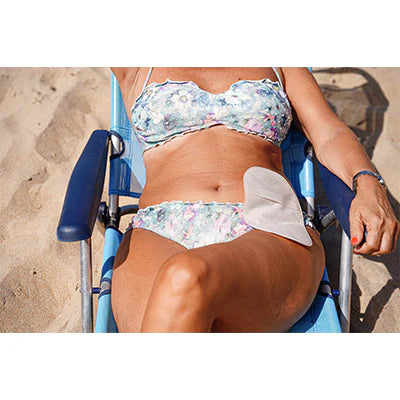
Summer is peak travel season, and having an ostomy is not a reason to stay home. Millions of ostomates travel by plane, car, cruise ship, and train every year -- and most will tell you that with the right preparation, travel becomes second nature. The anxiety of the first trip usually gives way to confidence once you realize your ostomy is manageable on the road.
That said, summer travel does come with specific challenges for ostomates that a weekend at home doesn't. Heat affects adhesion. Airports mean TSA. Long flights mean limited bathroom access. New foods mean unpredictable output. And being far from your usual supplier means you need to think ahead.
Here's everything you need to know to travel confidently with an ostomy this summer.
Before You Leave: Planning Makes the Difference
Order supplies well in advance
This is the most important step and the one most people underestimate. Don't wait until the week before your trip to stock up. Order your ostomy supplies at least two to three weeks ahead to ensure delivery. For longer trips or international travel, consider having supplies shipped directly to your destination -- many suppliers can arrange this.
The general rule: pack two to three times the supplies you think you'll need. This accounts for unexpected leaks, travel delays, extended stays, and the reality that heat and increased activity in summer often mean more frequent pouch changes than usual. Running out of supplies in an unfamiliar location is a stressful situation that's entirely avoidable with a little extra planning.
Pre-cut your barriers before you leave
If you use cut-to-fit barriers, pre-cut them all at home before your trip. TSA currently allows scissors with blades under 4 inches in carry-on luggage for domestic US flights, but rules vary internationally and it simplifies security screening considerably to not have scissors in your bag at all. Pre-cutting also saves time and stress when you're doing a change in an unfamiliar bathroom.
Know your products by name and number
Write down or photograph the exact product names and catalog numbers of everything you use -- pouches, barrier rings, paste, adhesive remover, deodorant drops. If you need to source emergency supplies locally or have them shipped, you'll need this information. Not all pharmacies or medical supply stores carry every brand, so having the specifics makes it much easier to find alternatives if needed.
Research your destination
For domestic travel, identify medical supply stores or pharmacies near your destination that carry ostomy products. For international travel, research whether your brands are available locally -- they often aren't. Contact your pouching system manufacturer before you leave; companies like ConvaTec, Coloplast, and Hollister have customer service lines that can help with emergency supply delivery in many countries.
Get a doctor's note
A brief letter from your doctor or WOC nurse explaining that you have an ostomy and require the accompanying supplies is useful for international travel, cruise ship medical staff, and any situation where you need to explain your supplies. Keep it with your travel documents.
Flying with an Ostomy: TSA and Airport Tips
Airport security is one of the biggest sources of anxiety for ostomates, especially first-time travelers. Here's what actually happens and what you can do to make it smooth.
Know your rights at the checkpoint
TSA policy is clear: you can be screened without having to empty or expose your ostomy pouch. Body scanners may detect the pouch as an anomaly, and if they do, a TSA agent may ask you to conduct a self pat-down of the pouch outside your clothing, followed by a swab of your hands for explosive residue. TSA agents should not ask you to remove, lift, or expose your pouch under any circumstances. You can request a private screening room at any US airport -- you don't need to explain why.
Use the TSA Notification Card
The United Ostomy Associations of America (UOAA) offers a free printable Travel Communication Card that you can present discreetly to TSA agents before screening begins. This is not a special pass that bypasses security, but it communicates your situation quietly without you having to explain verbally. Download and print it before your trip.
Call TSA Cares before you fly
TSA Cares (1-855-787-2227) is a helpline specifically for travelers with disabilities and medical conditions. Call at least 72 hours before your flight. TSA Cares can arrange for a Passenger Support Specialist to meet you at the checkpoint and assist you through screening. This service is free and highly recommended for first-time travelers or anyone who wants a smoother experience.
Pack smart for the flight
- Split your supplies between carry-on and checked luggage. Never put all your ostomy supplies in checked bags -- luggage gets lost. Keep at least a full change kit plus two to three extra pouches in your carry-on at all times.
- Pack a full change kit in a small bag within your personal item so it's accessible quickly during the flight without digging through everything. Include a fresh pouch, adhesive remover wipes, skin prep wipes, barrier rings, and a change of clothes.
- Book an aisle seat close to the lavatory so you can get up easily when needed.
- Empty your pouch immediately before going through security and again before boarding.
- For liquids like barrier paste and pouch deodorant -- check TSA's 3-1-1 rule. Items in containers over 3.4 oz need to go in checked luggage, or decant into travel-sized containers.
On the plane
Cabin pressure changes during takeoff and landing can cause gas to build up in your pouch faster than usual -- this is normal and not dangerous. Your pouch will not pop or explode. If ballooning is a concern, avoid carbonated drinks, beans, cruciferous vegetables, and chewing gum in the 24 hours before and during your flight. If the pouch balloons, a quick trip to the lavatory to release the gas solves it immediately.
The lavatories on planes are small but a full pouch change is manageable. Lay paper towels on the floor, work methodically, and seal used supplies in a zip-lock bag before disposal. Add a few drops of M9 Odor Eliminator Drops to your fresh pouch before applying for all-day odor control. Practicing at home in a small bathroom before your trip is genuinely useful.
Summer Heat and Your Pouching System
Heat is one of the most significant practical challenges for ostomates in summer. High temperatures and humidity directly affect adhesion -- the same barrier that holds reliably at home in spring can start lifting, creasing, or failing in a hot, humid environment.
Sweat and adhesion
Sweat between the barrier and skin is the primary cause of summer adhesion failure. A few strategies that help:
- Make sure skin is completely dry before applying your barrier. In humid conditions this takes longer than usual. A hairdryer on the lowest heat setting (held at a safe distance) can help dry the peristomal area thoroughly.
- Apply a skin prep barrier wipe or spray before applying your pouch. Products like the Smith and Nephew Prep Medicated Protective Skin Barrier create a protective layer that enhances adhesion and protects skin -- especially important in warm, sweaty conditions.
- Switch to an extended-wear barrier if you're not already using one. Extended-wear formulations are designed to hold longer in challenging conditions. The Hollister New Image Flextend Extended Wear Barrier is a popular option for active and summer wear.
- Barrier rings and sealing rings create an extra layer of protection at the most vulnerable point -- the junction between the barrier edge and skin. The ConvaTec Eakin Cohesive Slims and Hollister Adapt CeraRing are two trusted options. Keep extras in your travel kit at all times.
- Change more frequently if conditions are hot and humid. A shorter wear time with a secure seal is better than pushing wear time and risking a leak in a difficult location.
Keep supplies out of the heat
Store your ostomy supplies in the hotel room, not in a hot car or direct sunlight. Heat can degrade adhesives and barrier materials. The trunk of a car in summer sun can reach temperatures that damage your supplies -- keep them in the cabin or your bag.
Road Trips with an Ostomy
Long drives require some planning but are very manageable with the right kit.
- Seatbelts over the stoma: A seatbelt directly over the stoma can create pressure and discomfort. An ostomy support belt worn under the seatbelt helps distribute pressure and provides mechanical support to the pouch throughout the drive.
- Plan rest stops around bathroom access. Apps like Flush help identify accessible bathrooms along your route.
- Keep a change kit in the front of the car -- not buried in the trunk -- so it's accessible quickly at a rest stop. Include a fresh pouch, adhesive remover wipes, barrier rings, and zip-lock bags for disposal.
- Use pouch deodorant drops at every change and emptying -- Adapt Lubricating Deodorant Sachet Packets are ideal for travel as they're individually portioned and take up almost no space.
Cruises and Beach Vacations
Cruises are actually very ostomy-friendly. Most ships have medical staff on board, and the large bathrooms in cabins make pouch changes comfortable. Bring all your supplies for the entire cruise -- you cannot restock at sea.
- Swimming and water activities: Modern ostomy pouches are waterproof and most ostomates swim without issues. Change to a fresh pouch before swimming, make sure the seal is secure, and consider adding a barrier ring for extra water security. After swimming, dry the outside of the pouch and check the barrier edge -- salt water and pool chemicals can affect adhesion over time.
- Apply sunscreen carefully. Sunscreen on the peristomal skin before applying your barrier will interfere with adhesion. Apply sunscreen to the rest of your body first, let it absorb, then do your pouch change -- or protect the peristomal area while applying. Use a skin prep wipe on the peristomal area after sunscreen application to restore the surface before barrier application.
- Dehydration risk in the heat: Ileostomy users face a higher baseline dehydration risk, and summer heat compounds this significantly. Drink fluids consistently throughout the day. Watch output consistency for signs of dehydration -- very thick output for ileostomy users, darker concentrated urine for urostomy users.
Managing Diet and Output While Traveling
Travel often means different food, different timing, and disrupted routines -- all of which can affect ostomy output in ways that catch people off guard. Stick as close to your usual diet as possible, especially in the first few days, and introduce new foods gradually rather than all at once.
- Ileostomy users: Be particularly careful with high-fiber foods, skins, and nuts that can cause blockages. Chew food thoroughly and stay well hydrated.
- Colostomy users: Constipation is common during travel due to changes in routine. Adequate fiber, hydration, and movement help.
- All ostomates: Avoid foods you know cause excessive gas or odor before long flights or boat trips where bathroom access is limited.
Managing Odor While Traveling
Odor control is a practical concern when changing pouches in hotel bathrooms, airplane lavatories, or public restrooms. A few things that help:
- Add pouch deodorant drops at every change and every emptying -- the M9 Odor Eliminator Drops 8 oz is the standard and the travel-sized 1 oz bottle fits perfectly in a carry-on kit
- The M9 Odor Eliminator Spray doubles as a room spray for hotel bathrooms and is discreet enough to carry anywhere
- Zip-lock bags for sealing used pouches before disposal -- especially important in small spaces like airplane lavatories
- Pouches with built-in charcoal filters help manage gas odor throughout the day without any extra steps
A Summer Travel Packing Checklist
Here's a practical checklist to build your travel kit from:
- Pouches (2-3x your usual supply)
- Skin barriers -- pre-cut if cut-to-fit (2-3x your usual supply)
- Barrier rings or sealing rings
- Barrier paste or strips
- Adhesive remover wipes
- Skin prep wipes or spray
- Pouch deodorant drops (travel-sized and full-sized)
- Barrier powder (if you use it)
- Ostomy belt or support wrap
- Zip-lock bags (multiple sizes)
- Disposable washcloths or extra wipes
- Change of clothes in carry-on
- UOAA Travel Communication Card (printed and filled out)
- Doctor's note or medical letter
- Product names and catalog numbers written down
- Supplier contact numbers including after-hours lines
Stock Up Before You Go
The most important thing you can do before any summer trip is make sure you have everything you need before you leave -- and then some. At Best Buy Medical Supplies, we carry a full range of ostomy supplies from ConvaTec, Coloplast, and Hollister, including pouches, skin barriers, barrier rings, adhesive removers, skin prep products, and deodorant drops. Get your order in early so it arrives with time to spare before your trip.
Disclaimer: This information is intended for educational purposes only and should not replace advice from your healthcare provider or WOC nurse. Always consult with your care team regarding your specific ostomy management needs before travel.
Want all the ostomy fundamentals in one place? Start with our complete guide to living with an ostomy.