
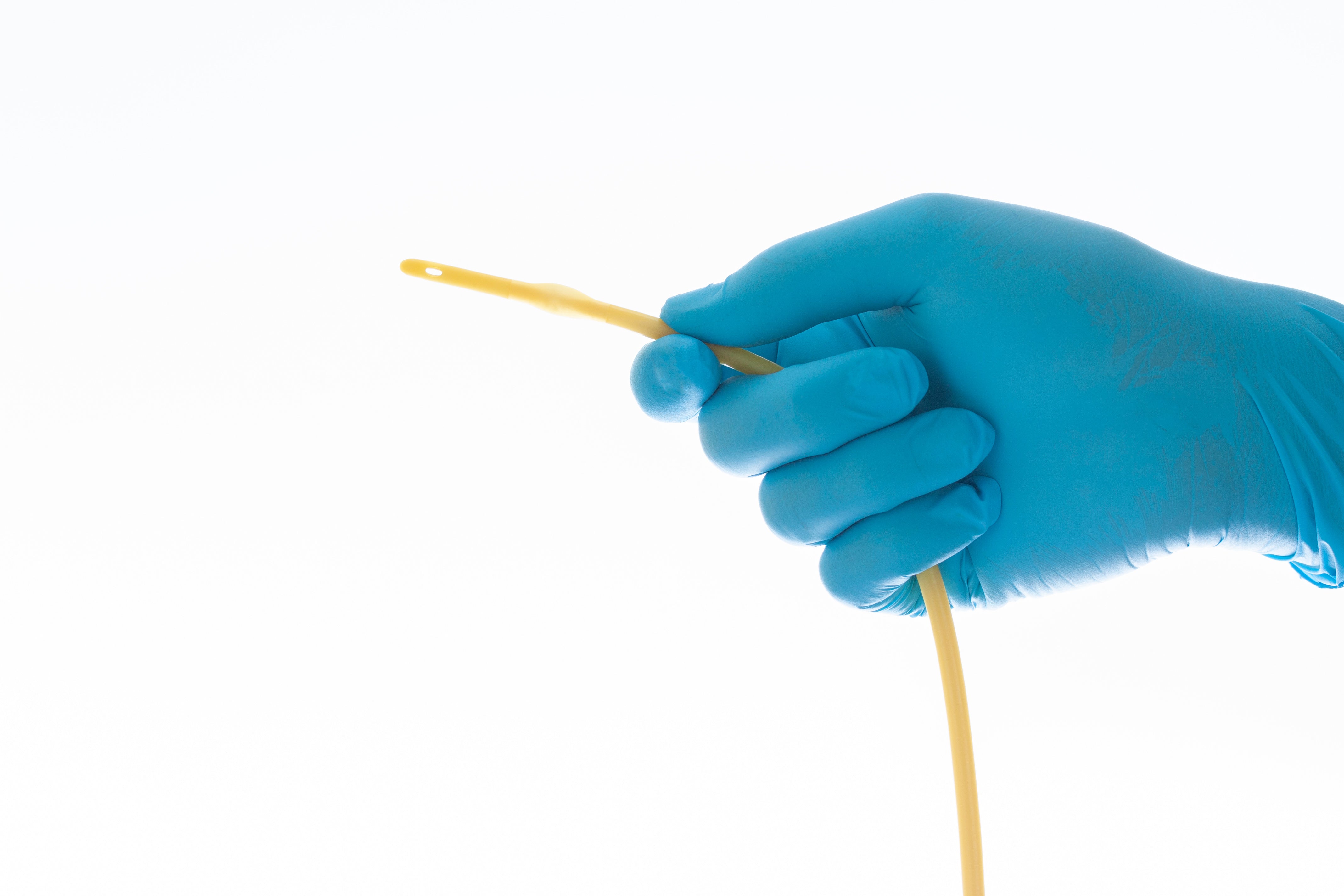
Choosing the correct catheter size is one of the most important decisions you will make for comfortable and effective bladder management. Yet the sizing system can feel confusing when you first encounter terms like "14 Fr" or see color-coded funnels attached to catheters. What do these numbers mean? How do you know which size is right for your body?
The universal French sizing system was developed specifically to standardize catheter measurements worldwide, making it easier for patients and healthcare providers to select the appropriate size regardless of manufacturer or brand. Understanding this system empowers you to use catheters safely, comfortably, and effectively.
This comprehensive guide explains everything you need to know about catheter sizing, from decoding French measurements to selecting the proper length for your anatomy. Whether you are new to catheterization or looking to better understand your current supplies, this information will help you make informed decisions about your urological care.
What Is the French Scale?
The French scale, abbreviated as "Fr" or "F," is the universal measurement system used to indicate the outer diameter of urinary catheters. This standardized gauge system ensures consistency across all catheter types, manufacturers, and countries.
The French scale is based on a simple mathematical formula: one French unit equals one-third of a millimeter (0.33 mm). To calculate a catheter's French size, you multiply its outer diameter in millimeters by three.
For example:
- A catheter with a 4.0 mm diameter = 12 Fr
- A catheter with a 4.7 mm diameter = 14 Fr
- A catheter with a 5.3 mm diameter = 16 Fr
This means the higher the French number, the wider the catheter tube. A 16 Fr catheter is larger in diameter than a 12 Fr catheter.
All internal urinary catheters follow this sizing system, including intermittent catheters (also called straight catheters) and indwelling catheters (Foley catheters). This universal standard makes it easy to compare sizes between different brands and product lines.
Understanding Color-Coded Funnel Systems
To make catheter sizing even easier to identify at a glance, most intermittent catheter manufacturers use a color-coded funnel system. The funnel is the connector at the end of the catheter where urine drains out. Each color corresponds to a specific French size.
The standard color-coding system includes:
Green Funnel = 10 Fr
Typically used for female catheters and some pediatric applications. The 10 Fr size provides adequate drainage for most women while minimizing urethral trauma.
Orange Funnel = 12 Fr
A common size for both male and female catheters. Many men use 12 Fr catheters, and it is also an option for women who need slightly more drainage capacity than 10 Fr provides.
Yellow Funnel = 14 Fr
The most common size for adult male intermittent catheters. This size balances effective drainage with comfort for most men's urethral anatomy.
Red Funnel = 16 Fr
Used for men who need increased drainage capacity or have been advised by their healthcare provider to use a larger size. Also commonly used for indwelling Foley catheters.
Purple Funnel = 18 Fr and larger
Less commonly used for intermittent catheters but may be prescribed for specific medical situations requiring maximum drainage capacity.
This color-coding system provides a quick visual reference, but always verify the size printed on the catheter package to ensure you have the correct French size. The printed size is the definitive measurement, and some specialized catheters may not follow standard color conventions.
Recommended Catheter Sizes by Gender and Age
Healthcare providers recommend specific French size ranges based on anatomical differences between men, women, and children. These recommendations balance effective urine drainage with minimizing potential trauma to the delicate urethral tissue.
Adult Male Catheter Sizes
Most adult men use intermittent catheters between 12 Fr and 16 Fr. The most commonly prescribed size for men is 14 Fr, which provides adequate drainage for the majority of male anatomies without causing unnecessary stretching of the urethra.
12 Fr Male Catheters - Men with narrower urethras or those who experience discomfort with larger sizes may benefit from 12 Fr catheters. Options include the Cure Male Hydrophilic Intermittent Catheter 12Fr or the VaPro No Touch Intermittent Coude Catheter 12Fr for men who need a curved tip.
14 Fr Male Catheters - This is the standard size for most adult men. Popular options include the ConvaTec GentleCath Intermittent Urinary Catheter 14Fr and the VaPro No Touch Intermittent Coude Catheter 14Fr. The Dover PVC Urethral Catheter 14Fr offers an economical uncoated option.
16 Fr Male Catheters - Men who need faster drainage or have been prescribed a larger size by their urologist may use 16 Fr catheters. The ConvaTec GentleCath Intermittent Urinary Catheter 16Fr and VaPro No Touch Intermittent Coude Catheter 16Fr are both available in this size.
18 Fr and Larger - These larger sizes are typically reserved for specific medical conditions such as urinary retention with thick mucus or blood clots that could block smaller catheters.
Adult Female Catheter Sizes
Women typically use intermittent catheters between 10 Fr and 14 Fr. The shorter female urethra (approximately 1.5 to 2 inches compared to 8 to 10 inches for men) means women often do well with smaller diameter catheters. The most common size for adult women is 12 Fr.
10 Fr Female Catheters - This smaller size works well for women with narrow urethras or those who are new to catheterization. The Self-Cath Plus Female Hydrophilic Intermittent Catheter 10Fr provides smooth insertion with its hydrophilic coating.
12 Fr Female Catheters - The standard size for most adult women, offering a good balance of drainage efficiency and comfort. The ConvaTec GentleCath Intermittent Urinary Catheter 12Fr Female is a reliable uncoated option.
14 Fr Female Catheters - Women who need increased drainage capacity or have been advised by their healthcare provider may use this size. Options include the ConvaTec GentleCath Intermittent Urinary Catheter 14Fr Female and the Teleflex MMG Closed System Intermittent Catheter 14Fr, which includes a built-in collection bag.
Pediatric Catheter Sizes
Children require significantly smaller catheters than adults. Pediatric catheter sizes typically range from 5 Fr to 10 Fr, with the specific size determined by the child's age, size, and urethral anatomy.
- 5-6 Fr - Used for infants and very young children
- 8 Fr - Common for toddlers and young children
- 10 Fr - Appropriate for older children and young adolescents
- 12 Fr and up - May be used for teenagers as they approach adult anatomy
Your child's pediatrician or pediatric urologist will determine the appropriate size based on your child's individual needs. Never attempt to use an adult-sized catheter for a child, as this can cause significant trauma to the delicate urethral tissue.
Catheter Length Selection
In addition to diameter (French size), catheters come in different lengths designed to accommodate anatomical differences between males and females. Selecting the proper length ensures the catheter can reach the bladder comfortably while providing enough external length for easy handling.
Male Length Catheters
Standard male catheters measure approximately 16 inches (40 cm) in length. This longer length is necessary because the male urethra is significantly longer than the female urethra, typically measuring 7 to 8 inches from the urethral opening to the bladder.
The 16-inch length provides adequate reach to the bladder while leaving several inches of catheter extending outside the body for secure grip during insertion and removal. Most male catheters, including the ConvaTec GentleCath male line and VaPro No Touch catheters, come in this standard 16-inch length.
Female Length Catheters
Female catheters are significantly shorter than male catheters, typically measuring 5 to 7 inches (12.5 to 18 cm) in length. The female urethra is only about 1.5 to 2 inches long, so a shorter catheter provides adequate reach to the bladder while being easier to handle and more discreet to carry.
The shorter length also reduces waste and makes female catheters more portable. Products like the ConvaTec GentleCath Female catheters at 6.5 inches and the Self-Cath Plus Female at 6 inches are specifically designed for female anatomy.
Unisex and Pediatric Lengths
Some catheters are marketed as "unisex" and fall between standard male and female lengths, typically around 10 to 12 inches. These work for some women who prefer extra length for easier handling, though most women find the shorter female-specific length more convenient.
Pediatric catheters typically measure around 10 inches, providing appropriate length for children's smaller anatomy while allowing caregivers adequate length for assistance if needed.
Why Catheter Size Matters
Selecting the proper catheter size is crucial for both your comfort and the effectiveness of bladder drainage. Using the wrong size can lead to several problems that may discourage consistent catheterization or cause medical complications.
Consequences of Catheters That Are Too Large
Using a catheter with a diameter larger than your urethra requires can cause several issues:
Pain and Discomfort - A catheter that is too wide will stretch the urethral tissue beyond its natural capacity, causing pain during insertion and potential discomfort while in place. This pain can make people avoid catheterization, leading to incomplete bladder emptying and potential complications.
Urethral Trauma - Forcing a catheter that is too large through the urethra can cause small tears or abrasions in the delicate tissue lining. These micro-tears increase infection risk and can lead to scarring over time.
Increased Friction - Even with adequate lubrication, an oversized catheter creates excessive friction against urethral walls, potentially causing irritation and inflammation. Repeated trauma can lead to urethral strictures (narrowing of the urethra due to scar tissue).
Mucosal Damage - The mucous membrane lining the urethra is designed to protect against infection. Damage from oversized catheters compromises this natural barrier, increasing vulnerability to urinary tract infections.
The Centers for Disease Control (CDC) recommends using the smallest diameter catheter that still allows for adequate drainage to minimize these risks.
Consequences of Catheters That Are Too Small
While a catheter that is too large causes obvious discomfort, using one that is too small creates different problems:
Slow Drainage - A catheter diameter that is too narrow will drain urine very slowly, extending the time needed for complete bladder emptying. This makes catheterization inconvenient and may lead to incomplete drainage if you stop the process before the bladder is fully empty.
Increased Catheterization Time - Slow drainage means you need to sit or stand still for longer periods during each catheterization session. This can be particularly problematic when using public restrooms or when time is limited.
Leakage Around the Catheter - If the catheter is significantly smaller than your urethral diameter, urine may leak around the catheter during drainage rather than flowing through it. This leakage is messy and indicates the catheter is not creating an effective seal.
Insufficient Drainage for Thick Urine - People with certain medical conditions may have urine that contains mucus, blood, or sediment. These substances require a wider catheter tube to drain effectively. Too narrow a catheter may become blocked by this thicker material.
The ideal catheter size achieves a balance: large enough for efficient drainage but small enough to avoid unnecessary urethral trauma. Your healthcare provider will help determine this optimal size based on your anatomy and medical needs.
Special Catheter Considerations
Beyond basic size selection, several catheter features may be important depending on your specific medical situation and lifestyle.
Coude Tip Catheters
Coude (pronounced "koo-day") tip catheters feature a curved or angled tip rather than the standard straight tip. This curved design helps navigate past urethral obstructions or abnormalities.
When Coude Tips Are Recommended:
- Men with enlarged prostate glands (benign prostatic hyperplasia)
- Urethral strictures or narrowing
- False passages in the urethra from previous trauma
- Difficulty passing standard straight catheters
The VaPro No Touch Intermittent Coude Catheter line is available in multiple French sizes (12Fr, 14Fr, and 16Fr) for men who need this specialized tip.
When using a coude catheter, proper technique is essential. The curved tip should face upward (toward the anterior or front of your body) during insertion to follow the natural curve of the male urethra. Your healthcare provider will demonstrate the correct insertion technique.
Hydrophilic Coating
Hydrophilic-coated catheters have a special slippery surface that becomes activated and lubricated when exposed to water. This coating offers several advantages:
Reduced Friction - The extremely slippery surface minimizes friction during insertion and removal, making catheterization more comfortable.
Less Additional Lubrication Needed - While some additional lubricant may still be helpful, hydrophilic catheters require much less supplemental lubrication than uncoated catheters.
Reduced Urethral Trauma - Studies show that hydrophilic catheters may cause less trauma to urethral tissue over time compared to uncoated catheters.
Options like the Cure Male Hydrophilic Intermittent Catheter and the Self-Cath Plus Female Hydrophilic Catheter provide this advanced coating technology.
Closed System Catheters
Closed system catheters come pre-connected to a collection bag, creating a sealed drainage system that urine flows directly into. This design significantly reduces infection risk by minimizing exposure to external bacteria.
Advantages of Closed Systems:
- Lower infection rates compared to open drainage
- More discreet for public restroom use
- All-in-one design with no separate collection container needed
- Built-in lubrication in most models
The Teleflex MMG Closed System Intermittent Catheter is an excellent example, featuring an introducer tip that protects the catheter from contamination during insertion.
External Male Catheters
External catheters (also called condom catheters or Texas catheters) are not measured using the French scale. Instead, they are sized by diameter in millimeters, corresponding to penis size.
How External Catheters Work:
Instead of inserting a tube into the urethra, external catheters use a condom-like sheath that fits over the penis and connects to a drainage bag. These are only suitable for men with urinary incontinence who can urinate but cannot control when or where it happens.
Sizing External Catheters:
External catheters typically come in sizes ranging from 25mm to 40mm in diameter. Proper fit is crucial - too tight restricts circulation, while too loose allows leakage.
Popular options include:
- Conveen Optima Male External Catheter 30mm
- Conveen Optima Male External Catheter 35mm Standard Length
- Conveen Optima Male External Catheter 35mm Shorter Length
External catheters are not appropriate for urinary retention (inability to empty the bladder). They only collect urine that the body expels naturally.
Foley Catheter Sizing
Foley catheters (indwelling catheters) follow the same French sizing system as intermittent catheters, but additional considerations apply since these catheters remain in place continuously.
Common Foley Sizes:
- 14 Fr to 16 Fr - Most common for routine adult use
- 18 Fr to 20 Fr - Used when increased drainage is needed
- 22 Fr to 24 Fr - Reserved for special situations such as post-surgical drainage or managing blood clots in urine
The Dover 2-Way Silicone Foley Catheter 24Fr represents the larger size range used for specific medical indications.
Balloon Size Considerations:
Foley catheters have an inflatable balloon near the tip that holds the catheter in place inside the bladder. Balloons typically hold 5cc or 10cc of sterile water. The balloon size is separate from the French size and both specifications will be listed on the catheter package.
Foley catheters should only be inserted and managed by trained healthcare professionals or under direct medical supervision. Never attempt to insert or remove a Foley catheter yourself without proper training.
How Your Healthcare Provider Determines Your Catheter Size
Your doctor, nurse, or urologist determines the appropriate catheter size based on several factors unique to your situation.
Physical Examination:
A healthcare provider may perform a physical examination to assess your urethral opening and surrounding anatomy. This helps estimate the appropriate starting size.
Urodynamic Testing:
For complex cases, urodynamic studies may be conducted to evaluate bladder function, capacity, and urethral characteristics. These tests provide detailed information that guides catheter selection.
Medical History:
Your provider considers your medical conditions, previous surgeries, history of urinary tract infections, and any existing urethral issues (such as strictures or false passages) when recommending a size.
Trial and Adjustment:
Sometimes finding the right size requires trying different options under medical guidance. Your provider may start with a standard size and adjust based on your comfort and how well the catheter drains your bladder.
Ongoing Reassessment:
Your catheter size needs may change over time due to aging, medical conditions, or surgical procedures. Regular follow-up appointments allow your healthcare team to reassess and adjust your catheter prescription as needed.
Never change your catheter size without consulting your healthcare provider, even if you think a different size might be more comfortable. There may be medical reasons why a specific size was prescribed for your situation.
Troubleshooting Catheter Size Issues
Even with the correct prescription, you may occasionally encounter problems that suggest a size issue. Understanding these warning signs helps you know when to contact your healthcare provider.
Signs Your Catheter May Be Too Large
Persistent Pain During Insertion:
While some initial discomfort is normal when learning catheterization, ongoing pain with each insertion suggests the catheter may be too large for your urethra. The insertion should become easier and more comfortable with practice.
Bleeding After Catheterization:
Small amounts of blood occasionally appearing in urine or on the catheter is concerning. While minor spotting can occur with proper technique, regular bleeding indicates trauma to urethral tissue.
Difficulty Inserting the Catheter:
If you consistently meet significant resistance when inserting the catheter, even with adequate lubrication, the diameter may be too large. You should feel some resistance as the catheter passes the external sphincter, but it should not require force.
Burning Sensation After Removal:
A burning feeling that persists for more than a few minutes after catheter removal may indicate urethral irritation from a catheter that is too large.
Signs Your Catheter May Be Too Small
Very Slow Drainage:
If it takes more than 3-5 minutes to completely empty your bladder, the catheter may be too narrow. Drainage time varies based on bladder volume, but excessively slow drainage suggests inadequate diameter.
Urine Leaking Around the Catheter:
When urine flows around the outside of the catheter rather than through it, this indicates the catheter is not creating an effective seal with your urethra. A properly sized catheter should channel all urine through its internal channel.
Incomplete Bladder Emptying:
If you feel that your bladder is not fully empty after catheterization, or if you need to catheterize more frequently than prescribed, the narrow diameter may be preventing complete drainage.
Frequent Catheter Blockages:
If your catheters frequently become blocked during use, particularly if you have mucus or sediment in your urine, a larger diameter may be needed to accommodate this thicker drainage.
When to Contact Your Healthcare Provider
Reach out to your doctor or urologist if you experience:
- Persistent pain or difficulty with catheterization
- Regular bleeding after catheterization
- Frequent urinary tract infections (more than 2-3 per year)
- Inability to insert your prescribed catheter
- Urine consistently leaking around the catheter
- Changes in your ability to pass a catheter that you could previously insert easily
These symptoms may indicate that your catheter size needs adjustment or that another urological issue requires medical attention.
Additional Resources and Product Selection
Understanding catheter sizing is just one aspect of successful self-catheterization. The right catheter type, coating, and features also contribute to your comfort and safety.
Exploring Your Options
Browse the complete selection of intermittent catheters to see the full range of sizes and types available. You will find both male and female catheters in various French sizes, lengths, and coating options.
For men who cannot use intermittent catheters, explore external catheter options that provide non-invasive management of urinary incontinence.
The complete urological care collection includes catheters, drainage bags, insertion supplies, and hygiene products to support all aspects of catheter management.
Related Catheter Care Information
For more information on catheter use and care, explore these related topics:
- Proper catheter insertion technique and hygiene practices
- How to prevent urinary tract infections when using catheters (covered in our UTI prevention guide)
- Understanding different catheter types beyond sizing
- Managing supplies and insurance coverage
Conclusion
Understanding catheter sizing empowers you to use these medical devices safely and comfortably. The French scale provides a universal measurement system that makes it easy to identify the right size regardless of brand or manufacturer. Color-coded funnels offer quick visual identification, while different lengths accommodate anatomical differences between males and females.
Most adult men use 12-16 Fr catheters (most commonly 14 Fr), while most adult women use 10-14 Fr catheters (most commonly 12 Fr). These recommendations balance effective drainage with minimizing urethral trauma. Special features like coude tips, hydrophilic coatings, and closed systems address specific medical needs and personal preferences.
Always work with your healthcare provider to determine the appropriate catheter size and type for your individual anatomy and medical situation. While this guide provides general information, your doctor or urologist can evaluate your specific needs and prescribe the optimal products for safe, comfortable, and effective catheterization.
With the right size and proper technique, intermittent catheterization becomes a manageable part of your daily routine, allowing you to maintain bladder health and continue enjoying an active lifestyle.
Medical Disclaimer: This article is for informational purposes only and does not constitute medical advice. Catheter selection and use should always be supervised by a qualified healthcare provider. Never attempt catheterization without proper training and a prescription from your doctor. If you experience pain, bleeding, difficulty urinating, signs of infection (fever, cloudy urine, burning sensation), or any other concerning symptoms, contact your healthcare provider immediately. The information provided here does not replace professional medical consultation, diagnosis, or treatment.