
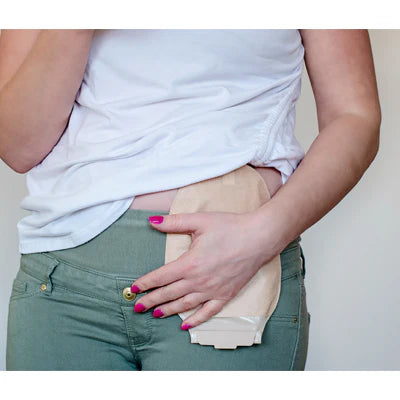
Changing your ostomy pouch for the first time can feel overwhelming. Your hands might shake slightly as you gather supplies, and questions run through your mind: Am I doing this right? What if it leaks? Will this get easier? These concerns are completely normal. Whether you have had your ostomy surgery last week or last year, mastering the pouch changing process is essential for maintaining healthy skin, preventing leaks, and regaining your confidence. This comprehensive guide walks you through every step of changing your ostomy pouch, from preparation to application, with practical tips that make the process smoother each time.
According to the United Ostomy Associations of America, approximately 750,000 to 1 million people in the United States live with an ostomy. Each of these individuals faces the task of regularly changing their pouching system. While healthcare professionals provide initial training, many ostomates find that developing their own efficient routine takes practice and patience. The good news is that what feels complicated today will become second nature with repetition. Most ostomates report that after the first month, changing their pouch becomes a quick, straightforward task that fits seamlessly into their daily routine.
Understanding When to Change Your Ostomy Pouch
The frequency of pouch changes depends on several factors, including the type of pouching system you use, your ostomy type, and your body's unique characteristics.
One-Piece Systems
One-piece pouching systems, where the skin barrier and pouch are combined into a single unit, typically require more frequent changes than two-piece systems. Most ostomates using one-piece drainable pouches change them every three to five days. Products like the ActiveLife 1-Piece Drainable Pouch combine reliability with ease of use, making regular changes straightforward.
For those using closed one-piece pouches, which are common for colostomies with formed stool, the pouch should be changed whenever it becomes full. This might be once or twice daily, depending on your output patterns.
Two-Piece Systems
Two-piece ostomy systems offer the advantage of changing just the pouch while leaving the skin barrier in place. The skin barrier, also called the wafer or baseplate, typically stays in place for five to seven days, while the pouch can be changed as often as needed. The Natura Two-Piece Drainable Pouch and New Image Two-Piece systems exemplify quality two-piece options that provide this flexibility.
This extended wear time for the barrier reduces skin irritation from frequent adhesive removal and reapplication. However, you should always change the entire system if you experience itching, burning, or any indication that output has gotten under the barrier.
Signs It Is Time to Change
Regardless of your planned schedule, certain signs indicate you should change your pouching system immediately. These include burning or itching sensations around the stoma, visible output leaking under the barrier, the barrier edges lifting or rolling, or reaching the planned wear time for your system. Never ignore discomfort hoping the barrier will last longer. Early intervention prevents skin damage that can take weeks to heal.
Gathering Your Supplies
Preparation prevents frustration. Before removing your current pouch, assemble everything you will need for the change. Having supplies within easy reach makes the process smoother and more efficient.
Essential Supplies
Your basic supply list should include a new ostomy pouch appropriate for your system, warm water and a soft washcloth or paper towels, a measuring guide for your stoma, scissors if using a cut-to-fit system, a plastic disposal bag for the used pouch, and a clean towel. These items form the foundation of every pouch change.
Optional but Helpful Accessories
Several accessory products can significantly improve your results, though not every ostomate needs all of them. Ostomy paste, such as ConvaTec Stomahesive Paste or Hollister Adapt Paste, helps fill creases and irregular contours around the stoma, creating a better seal. Barrier rings like the Hollister Adapt Softflex Flat Barrier Ring or Eakin Cohesive Slims Ostomy Seal provide extra protection and can extend wear time. Stoma powder protects irritated skin by absorbing moisture. Products like Stomahesive Protective Powder are essential if you have any raw or weepy areas.
An adhesive remover spray or wipes make pouch removal gentler and more comfortable. While not strictly necessary, they significantly reduce discomfort during removal, especially for those with sensitive skin or body hair.
Organizing Your Space
Choose a comfortable location with good lighting where you can lay out your supplies. Many ostomates prefer the bathroom, where cleanup is convenient and privacy is assured. Place an old towel on the floor or counter to catch any unexpected output. Some people find using a small mirror helpful for viewing their stoma clearly, particularly when first learning the process.
Step-by-Step: Removing Your Current Pouch
Gentle removal prevents skin damage and discomfort. Rushing this step can cause skin tears or irritation that complicates future pouch changes.
Preparing for Removal
Start by washing your hands thoroughly with soap and water. If your pouch is drainable and contains output, empty it into the toilet first. This reduces weight and mess during removal. Have your disposal bag ready within easy reach.
The Removal Process
Begin at the top of your pouch and slowly peel the skin barrier away from your skin, working downward. Press down gently on your skin with your free hand as you peel to avoid pulling on the skin. This counter-pressure technique minimizes discomfort and reduces the risk of skin irritation.
If you experience significant discomfort or resistance, stop and apply adhesive remover spray around the edges. Wait a moment for it to work, then resume gentle peeling. Never yank or force the barrier off your skin. Patient, gradual removal protects your skin integrity.
As you remove the pouch, have a folded washcloth or paper towel ready to cover your stoma if needed. Stomas can be active during pouch changes, and being prepared keeps the process cleaner and less stressful.
Disposing of the Used Pouch
Place the used pouch into your disposal bag, seal it, and place it in your household trash. Contrary to common concerns, ostomy pouches do not require special medical waste disposal in home settings. Double-bagging can contain odors if desired, but is not necessary. If you used a two-piece system and are only changing the pouch while keeping the barrier, simply snap or twist off the pouch from the barrier and dispose of it.
Cleaning Your Stoma and Surrounding Skin
Proper cleaning prevents infection, removes residue, and prepares your skin for optimal adhesion of the new pouch.
What to Use
Use plain warm water and a soft washcloth, paper towels, or specialized ostomy cleansing wipes. Gently clean around your stoma in a circular motion, working outward from the stoma. Remove all stool, mucus, and old adhesive residue. Your stoma will likely produce some mucus or small amounts of stool during cleaning. This is completely normal. Simply wipe it away and continue.
What to Avoid
Do not use soaps with moisturizers, oils, or fragrances. These ingredients leave a residue on your skin that interferes with adhesive bonding. Baby wipes often contain these additives, so check labels carefully. Avoid rubbing alcohol, which can dry and irritate skin. Never apply creams or lotions to the area around your stoma unless specifically recommended by your ostomy nurse.
Drying Thoroughly
After cleaning, pat your skin completely dry. Use a clean towel or paper towels with a gentle patting motion. Ensure the skin is fully dry before applying your new pouch, as moisture prevents proper adhesion. Some ostomates use a hair dryer on the cool or low setting to ensure complete dryness, particularly in humid climates or if they have skin folds.
Checking Your Stoma and Skin
With the area clean and dry, take a moment to inspect both your stoma and the surrounding skin. Your stoma should be pink or red, moist, and slightly shiny, similar to the inside of your cheek. A healthy stoma may bleed slightly if bumped, which is normal due to the rich blood supply. However, contact your healthcare provider if you notice the stoma turning dark purple, blue, or black, or if you see excessive bleeding, wounds, or changes in stoma size or shape.
Check the skin around your stoma for redness, rash, pustules, or open areas. Minor irritation is common, but significant problems require treatment before applying a new pouch. Use stoma powder on any raw or weepy areas, dust off the excess, and then seal it with a barrier wipe or spray before proceeding with pouch application.
Measuring and Preparing Your New Pouch
Accurate measurement and proper preparation prevent leaks and protect your skin.
Why Measuring Matters
Your stoma size will change during the first six to eight weeks after surgery as post-surgical swelling decreases. Even after this initial period, stoma size can fluctuate slightly based on factors like weight changes, hydration status, and time of day. Measuring regularly ensures your pouch opening matches your current stoma size.
A properly sized opening fits snugly around the stoma base with approximately one-eighth inch clearance. Too large an opening exposes skin to output, causing irritation and breakdown. Too small an opening can rub against the stoma, causing discomfort or bleeding.
Using a Measuring Guide
Use the measuring guide included with most ostomy products. Place it over your stoma without touching the stoma surface and identify which circle best matches your stoma size. Your stoma is not perfectly round, so measure the widest dimension. When in doubt, size up slightly rather than down to avoid constriction.
Cutting a Cut-to-Fit Barrier
If you use a cut-to-fit system, trace the appropriate circle size onto the paper backing of your barrier. Use sharp ostomy scissors to cut smoothly along the traced line. Make small snips and rotate the barrier as you cut for a smooth, even circle. Rough edges can irritate your stoma. After cutting, check the opening against your measuring guide to confirm accuracy.
Many ostomates find that systems like the Mio 1-Piece Drainable Pouch with its cut-to-fit options provide excellent customization, particularly during the initial months when stoma size fluctuates most.
Pre-Cut Barriers
If your stoma has reached its stable size and you consistently measure the same dimensions, pre-cut barriers offer convenience. Products like the ActiveLife 1-Piece Drainable Pouch Precut are available in numerous pre-cut sizes. However, continue measuring periodically to ensure your stoma has not changed.
Applying Barrier Rings and Paste
Accessory products enhance seal quality and extend wear time, particularly for those with irregular contours, skin folds, or high output.
When to Use Barrier Rings
Barrier rings create a gentle convexity that helps bring a flush or retracted stoma into better contact with the pouch opening. They also fill in uneven skin surfaces and add a layer of protection around the stoma. Consider using barrier rings if you have a flush or retracted stoma, creases or folds near your stoma, or a history of leaks despite proper pouch application.
The Hollister Adapt CeraRing Barrier Ring and Adapt Softflex Flat Barrier Ring are popular options. These rings are moldable, allowing you to shape them to fit your body contours. To apply, warm the ring briefly in your hands to make it more pliable, stretch the center opening to fit over your stoma, press it gently against your skin around the stoma, and smooth it to ensure good contact without gaps.
Using Ostomy Paste
Ostomy paste fills in irregular skin surfaces, creating a flat, smooth foundation for your skin barrier. Think of it as caulk for the area around your stoma. Apply paste if you have deep creases, scars, or folds near your stoma, if you experience frequent undermining of your barrier, or if your ostomy nurse has recommended it.
Quality paste products like ConvaTec Stomahesive Paste or Hollister Adapt Paste work well for most ostomates. To apply paste, squeeze a thin bead into creases or along the edge where your barrier will sit, use a damp finger to smooth and spread the paste, fill gaps completely but avoid creating raised lumps, and let the paste dry slightly before applying your pouch. It should feel tacky but not wet.
The Brava Sting-Free Paste offers a good alternative for those with sensitive or damaged skin who find traditional pastes uncomfortable.
Step-by-Step: Applying Your One-Piece Pouch
One-piece systems require careful, deliberate application to achieve optimal results.
Warming the Barrier
Before removing the protective backing from your pouch, warm the skin barrier by holding it against your body or between your hands for a minute or two. Body warmth makes the adhesive more pliable and improves bonding to your skin.
Positioning and Application
Remove the protective backing from the adhesive barrier. Be careful not to touch the adhesive surface excessively, as oils from your hands can reduce stickiness. Hold your pouch so you can clearly see both the opening and your stoma.
Carefully center the opening over your stoma. This step requires patience and precision. The opening should align evenly around the entire stoma base. Once positioned correctly, press the area immediately surrounding the stoma first. This initial contact is critical. Work from the stoma outward, smoothing the barrier onto your skin with firm, even pressure. Smooth out any wrinkles or air pockets as you go, using a rolling motion with your fingers or palm.
Pay special attention to the edges, ensuring they lay flat against your skin without lifting. If using a belt tab system, make sure the tabs are positioned where you want them before the adhesive fully bonds.
Securing the Seal
After applying the entire barrier, place your hand over the pouch and hold it against your abdomen for one to two minutes. The warmth and pressure from your hand activate the adhesive and help it bond completely to your skin. This step significantly improves wear time and leak prevention.
Ensuring Proper Drainage
For drainable pouches, ensure the tail closure is properly secured. Roll up the tail, starting at the end and rolling toward the pouch body. Secure it with the clip provided. The tail should be firmly closed with no gaps.
Step-by-Step: Applying Your Two-Piece System
Two-piece systems involve applying the skin barrier first, then attaching the pouch to the barrier.
Applying the Skin Barrier
If you are performing a complete system change rather than just swapping pouches, follow the same preparation steps as for one-piece systems: measure your stoma, cut or select the appropriate size opening, warm the barrier, and prepare any paste or rings.
Remove the protective backing from your barrier or wafer. For products like the Sur-Fit Natura Stomahesive Cut-to-Fit Wafer or New Image 2-Piece Cut-to-Fit Barrier, center the opening over your stoma with care. Press the area around the stoma first, then smooth outward to all edges. Hold your hand over the barrier for one to two minutes to activate the adhesive.
Attaching the Pouch to the Barrier
Two-piece systems use different coupling methods. The most common types are snap-ring flanges, where the pouch snaps onto the barrier with an audible click, and adhesive coupling, where the pouch adheres to a sticky coupling on the barrier.
For snap-ring systems like the New Image Two-Piece Drainable Pouch, align the pouch flange with the barrier flange. Starting at the bottom, press the pouch onto the barrier and work around the circle until you hear clicks all the way around. Tug gently on the pouch to confirm it is fully secured.
For adhesive coupling systems, remove the protective film from the coupling area on the barrier, center the pouch over the coupling, and press firmly for several seconds.
Checking the Connection
Always verify that your pouch is completely connected before getting dressed. An incomplete connection can lead to embarrassing leaks. For snap systems, you should not be able to see any gaps between the pouch and barrier flanges. For adhesive systems, the pouch should be firmly attached with no areas that lift away.
Managing Your Pouch Between Changes
Proper care between changes extends wear time and prevents problems.
Emptying Schedule
Empty your pouch when it is one-third to one-half full. Allowing the pouch to become too full creates weight that pulls on the seal and can cause leakage. For ileostomies with liquid output, this might mean emptying five to eight times daily. For colostomies with more formed output, emptying frequency varies based on diet and output patterns.
To empty a drainable pouch, sit on the toilet or stand close to it. Point the tail into the toilet, remove the closure clip, unroll the tail, and allow the contents to drain. Wipe the inside and outside of the tail with toilet paper, roll it back up, and secure with the clip.
Odor Control
Quality pouches include built-in filters that release gas while neutralizing odors. However, adding a few drops of M9 Odor Eliminator Drops into your pouch after emptying provides additional odor control and can increase your confidence in social situations.
Bathing and Showering
You can shower and bathe with your ostomy pouch on or off, depending on personal preference. Water will not hurt your stoma. If you shower with your pouch on, the adhesive is designed to withstand water exposure. If you prefer to shower with your pouch off, ensure your skin is completely dry before applying a new pouch afterward.
Troubleshooting Common Problems
Even experienced ostomates occasionally encounter challenges. Understanding solutions helps you address problems quickly.
Frequent Leaks
If you experience leaks more than once a week, investigate the cause systematically. Check your measuring. An incorrectly sized opening is a common culprit. Verify that you are preparing your skin properly by ensuring it is completely dry and free from residues. Consider whether your stoma characteristics have changed, such as becoming more flush or retracted.
Adding accessory products like barrier rings or paste often solves persistent leaking issues. The ConvaTec Eakin Cohesive Slims Ostomy Seal is particularly effective for preventing leaks in challenging situations.
Skin Irritation
Red, itchy, or damaged skin around your stoma requires attention. Output contact causes most peristomal skin problems. This suggests your pouch opening is too large or your system is not sealing properly. Resize your opening or add protective accessories.
Allergic reactions to adhesive materials cause other skin problems. If you notice a rash that matches the exact shape of your barrier, discuss alternative products with your ostomy nurse. Switching to a different brand or barrier type may resolve the issue.
Treat damaged skin before applying your new pouch. Use stoma powder on any raw areas, dust off the excess, seal with a barrier spray or wipe, and proceed with application. The powder absorbs moisture and creates a dry surface for your barrier to adhere to while protecting the damaged skin.
Poor Adhesion
If your barrier lifts prematurely or fails to stick well initially, review your skin preparation technique. Ensure you are using plain water without soap additives, drying completely before application, and avoiding lotions or creams near the stoma area. Warm your barrier before application and hold it in place for a full two minutes to activate the adhesive.
High humidity, excessive perspiration, or body oils can affect adhesion. Barrier strips or extenders provide additional security in these conditions.
Travel and On-the-Go Changing
Changing your pouch away from home requires planning but is entirely manageable with preparation.
Packing Supplies
Always travel with more supplies than you think you will need. Pack double the number of pouches you would normally use for your trip duration. Include extra barrier accessories, disposal bags, cleansing wipes or a small bottle of water, measuring guide and scissors if needed, and any paste or other products you regularly use.
Keep a change of supplies in your carry-on luggage, never in checked baggage. Lost luggage situations become much more stressful when you lack ostomy supplies.
Changing in Public Restrooms
While not ideal, changing in a public restroom is sometimes necessary. Choose an accessible or family restroom when possible, as these offer more space and privacy. Use the disposal bags you brought to contain your used pouch. Most public restrooms have adequate hygiene for ostomy care if you are prepared with cleansing wipes.
Travel Considerations
Time zone changes can affect output patterns temporarily. Airplane pressurization may cause gas buildup in your pouch, so consider using a filtered pouch when flying. Stay well hydrated, especially with ileostomies, as dehydration can thicken output and affect pouch performance.
When to Seek Professional Help
While most pouch changes proceed smoothly, certain situations require professional guidance.
Signs of Complications
Contact your ostomy nurse or healthcare provider if you notice your stoma turning dark purple, blue, or black, if bleeding from the stoma continues for more than a few minutes or is excessive, if you have persistent skin breakdown despite treatment, if your stoma suddenly changes size dramatically, if you develop severe abdominal pain or cramping, or if you experience high output that you cannot control.
Getting Additional Training
If you struggle with the changing process despite following instructions, request additional training from an ostomy nurse. These specialists can observe your technique and identify areas for improvement. Many ostomy product manufacturers also offer educational resources, including videos and personalized support services.
Building Your Confidence
Mastery comes with practice. Your first pouch change might take twenty minutes and feel overwhelming. By your tenth change, the process will take half that time and feel much more routine. By three months post-surgery, most ostomates can change their pouch in under ten minutes with confidence.
Give yourself permission to learn gradually. Mistakes happen, and each one teaches you something valuable about your body and your ostomy management. Connect with other ostomates through support groups, either in-person or online, to share experiences and tips. Hearing how others have overcome similar challenges often provides both practical solutions and emotional support.
Remember that having an ostomy, whether temporary or permanent, allows you to live your life free from the disease or condition that necessitated your surgery. The time invested in learning proper pouch changing technique pays dividends through better skin health, fewer leaks, and greater confidence in all your daily activities.
Conclusion: Your Path to Confident Ostomy Management
Changing your ostomy pouch is a skill that improves with practice and patience. By following the step-by-step techniques outlined in this guide, using quality products appropriate for your needs, and paying attention to the details of skin preparation and proper application, you can achieve reliable, comfortable wear time with minimal complications.
Browse our complete ostomy care products collection to find the pouches, barriers, and accessories that match your specific requirements. From one-piece drainable pouches to two-piece systems and specialty accessories, we offer the products that help you manage your ostomy with confidence and dignity.
Remember that your ostomy care routine is personal. What works perfectly for someone else might not be ideal for you, and that is completely normal. Through experimentation and communication with your healthcare team, you will develop the routine that best supports your skin health and lifestyle needs.
Medical Disclaimer: This content is for informational purposes only and does not substitute professional medical advice, diagnosis, or treatment. Always consult your ostomy nurse or healthcare provider regarding proper ostomy care techniques, product selection, and any concerns about your stoma or peristomal skin. Individual experiences with ostomy products and techniques may vary based on personal factors, body type, and specific medical conditions.
Beyond pouch changes, our guide answering the top 10 ostomy questions covers everything from odor control to diet and exercise.