
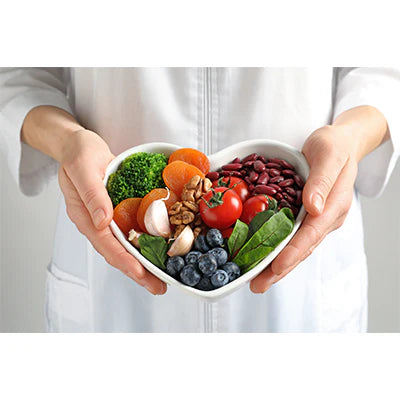
One of the most common questions after ostomy surgery -- and one that doesn't always get a satisfying answer in the hospital -- is what to eat. Diet is one of the most personal and variable aspects of living with an ostomy, and the advice that works for one person may not work for another. But there are well-established principles for each ostomy type that give you a strong starting point and help you avoid the most common dietary pitfalls.
This guide is organized by ostomy type because the dietary needs and concerns for a colostomy, ileostomy, and urostomy are genuinely different. Scroll to your section, bookmark it, and use it as a reference alongside guidance from your WOC nurse or dietitian.
General Principles That Apply to All Ostomy Types
Before getting into ostomy-specific guidance, a few principles apply regardless of which type of ostomy you have.
Eat regularly and chew thoroughly
Regular, consistent meal timing helps regulate output and makes patterns more predictable. Skipping meals or eating very irregularly tends to make output harder to anticipate. Thorough chewing is particularly important -- poorly chewed food passes through the digestive system incompletely broken down, which can cause blockages (especially with ileostomies), increase gas, and affect output consistency.
Reintroduce foods gradually after surgery
In the first 6 to 8 weeks after surgery, the digestive system is healing and adjusting. Most surgeons and WOC nurses recommend starting with low-fiber, easily digestible foods and introducing new items one at a time, waiting 24 to 48 hours to observe any effect before adding something else. This isn't a permanent restriction -- it's a short-term approach to identifying what works for your individual digestive system.
Keep a food diary
Because responses to food are so individual, a food diary is one of the most useful tools you can use in the first several months after surgery. Note what you ate, when, and what your output was like afterward. Patterns emerge quickly and help you identify your personal triggers for high output, gas, odor, or blockage.
Stay well hydrated
This applies to everyone with an ostomy but is especially critical for ileostomy and urostomy patients. Aim for at least 8 to 10 glasses of fluid per day, more in hot weather or during physical activity. Monitoring your urine color (pale yellow is the target) is a simple hydration check.
Colostomy Diet Guide
A colostomy is created from the large intestine (colon). Because much of the water absorption process has already occurred in the colon before waste reaches the stoma, colostomy output tends to be more formed and predictable than ileostomy output. The main dietary concerns for colostomy patients are managing gas, odor, constipation, and diarrhea.
Foods that commonly cause gas with a colostomy
Gas is one of the most frequently reported dietary concerns for colostomy patients. The following foods are well-known gas producers and many colostomy patients choose to limit or avoid them, particularly before social events or situations where ballooning would be inconvenient:
- Beans, lentils, and legumes
- Cruciferous vegetables: broccoli, cauliflower, cabbage, Brussels sprouts, kale
- Onions and garlic (raw more than cooked)
- Carbonated beverages including sparkling water and soda
- Chewing gum (swallowed air)
- Beer
- Mushrooms
That said, gas production is highly individual. Some people find they can eat most of these foods without significant problems; others are sensitive to even small amounts. Trial and observation with your food diary is the best guide. If gas and ballooning are persistent problems, a pouch with a built-in charcoal filter helps vent gas continuously without releasing odor.
Foods that commonly cause odor with a colostomy
Odor is produced when certain foods are digested and their byproducts are excreted. Foods frequently associated with stronger ostomy odor include:
- Fish and seafood
- Eggs
- Asparagus
- Garlic and onions
- Spicy foods
- Alcohol
- Some cheeses
Foods that may help reduce odor include yogurt (the live cultures help balance gut bacteria), buttermilk, parsley, and cranberry juice. Using pouch deodorant drops like M9 Odor Eliminator Drops at every change and emptying provides reliable day-to-day odor control regardless of what you eat.
Managing constipation with a colostomy
Constipation -- reduced or very firm output -- is more common in colostomy patients than ileostomy patients because the colon continues to absorb water from waste. Contributing dietary factors include low fiber intake, inadequate fluid intake, and foods that tend to slow the digestive system. Foods that commonly thicken or slow output include:
- Bananas (ripe)
- White rice, white bread, and other refined carbohydrates
- Applesauce
- Boiled potatoes
- Smooth peanut butter
- Cheese
- Pasta
These foods aren't inherently bad -- they're useful to know about when output is too loose and you want to firm it up. For constipation, increasing fluid intake, gentle movement, and gradually increasing fiber-containing foods (cooked vegetables, fruits without skins, oatmeal) are the first-line approaches before considering any laxatives or medications.
Managing loose output with a colostomy
Foods that commonly loosen or speed up colostomy output include raw fruits and vegetables, high-fiber foods, spicy foods, caffeine, alcohol, and sugar-free products containing sorbitol or other sugar alcohols (found in sugar-free gum, candy, and some diet foods). The thickening foods listed above can help counterbalance loose output on difficult days.
What colostomy patients can generally eat freely
With a well-healed colostomy, most people can eat a varied, balanced diet that includes most foods. Well-tolerated options for most colostomy patients include lean proteins (chicken, fish, eggs), well-cooked vegetables, refined grains, low-fat dairy, bananas, melon, cooked fruits, and moderate amounts of most other foods introduced gradually. The goal over time is returning to a normal, healthy diet -- not permanent restriction.
Ileostomy Diet Guide
An ileostomy is created from the small intestine (ileum), which bypasses the entire colon. Because the colon's water-absorbing function is absent, ileostomy output is liquid to semi-liquid, high-volume, and continuous. This creates distinct dietary needs that differ significantly from colostomy care -- particularly around hydration, blockage prevention, and electrolyte management.
Hydration and electrolytes: the most critical concern
Ileostomy patients lose significantly more fluid and electrolytes through their stoma than the average person. Dehydration and electrolyte imbalance are the most serious dietary-related health risks for ileostomy patients, and they can develop quickly -- particularly in summer heat, during illness, or with increased physical activity.
Signs of dehydration in ileostomy patients include decreased output (the body retaining water), very dark urine (if any), dry mouth, dizziness, cramps, and fatigue. If output decreases significantly or stops, or if you develop cramping without output, contact your healthcare provider promptly -- this may indicate a blockage or significant dehydration.
Drinks that help with electrolyte replacement include sports drinks diluted with water, coconut water, oral rehydration solutions, and homemade rehydration drinks (water, salt, sugar, and a small amount of citrus juice). Plain water alone is not sufficient for significant rehydration in ileostomy patients -- the sodium and potassium in electrolyte drinks are essential for proper fluid absorption.
Aim for output of 1 to 1.5 liters per day as a baseline guide. Consistently high output (above 1.5 to 2 liters per day) should be discussed with your healthcare provider as it may require dietary adjustment or medical management.
Blockage prevention: the highest-risk foods for ileostomy
Because the small intestine has a narrower diameter than the colon, and because ileostomy output is more liquid, certain high-fiber or hard-to-digest foods can cause a partial or complete blockage -- one of the most serious complications for ileostomy patients. Foods at highest risk for causing blockages include:
- High-fiber vegetables: celery, corn, mushrooms, green peppers with skins, coleslaw, pea pods, and the skins of most vegetables and fruits
- Nuts, seeds, and popcorn -- these are among the most common blockage causes
- Dried fruits: raisins, prunes, dried apricots
- Coconut
- Whole grains with intact kernels
- High-fiber breakfast cereals
This does not mean these foods must be permanently avoided by all ileostomy patients -- many people with well-established ileostomies reintroduce most of these foods successfully over time, especially with thorough chewing. But in the first 6 to 12 weeks after surgery, and when introducing new high-fiber foods, caution and thorough chewing are essential. If you suspect a blockage -- no output for 4 to 6 hours combined with cramping, nausea, or abdominal distension -- contact your healthcare provider immediately. Do not take laxatives for a suspected blockage.
Managing high output with an ileostomy
Foods that commonly increase ileostomy output include raw fruits and vegetables, high-sugar foods and drinks, caffeine, alcohol, spicy foods, and dairy products in people with lactose sensitivity. During periods of high output, temporarily increasing intake of output-thickening foods can help:
- Bananas
- White rice, white bread, toast
- Boiled potatoes (without skin)
- Smooth peanut butter
- Applesauce
- Marshmallows (yes -- a well-known folk remedy among ostomates that actually works for some people)
- Pasta
Managing gas and odor with an ileostomy
The same gas-producing foods that affect colostomy patients affect ileostomy patients similarly. Because ileostomy output is more continuous, gas management with a filtered pouch is even more practical. Odor-producing foods listed in the colostomy section apply to ileostomy as well. M9 Odor Eliminator Drops and pouches with built-in charcoal filters are the most practical management tools.
What ileostomy patients can generally eat freely
Well-tolerated foods for most ileostomy patients include well-cooked vegetables (peeled and de-seeded where applicable), lean proteins, eggs, refined grains, low-fat dairy (if tolerated), bananas, melon, avocado, cooked or canned fruits without skins, and moderate amounts of most other foods chewed thoroughly. The key difference from colostomy is that fiber management and hydration require more active attention.
Urostomy Diet Guide
A urostomy diverts urine from the kidneys, bypassing the bladder. Because it deals with urine rather than stool, the dietary concerns are different from colostomy and ileostomy -- they center on hydration, urine pH management, odor, and kidney stone prevention rather than output consistency, gas, or blockage.
Hydration: even more critical than with enteral ostomies
Urostomy patients need to maintain excellent hydration to keep urine diluted, reduce the risk of urinary tract infections, prevent crystal formation around the stoma, and reduce kidney stone risk. The target is pale yellow urine. Dark yellow or amber urine is a clear signal to increase fluid intake immediately.
Aim for at least 2 liters (roughly 8 to 10 cups) of fluid per day, more in hot weather or during physical activity. Water is the best primary fluid. Cranberry juice -- often recommended for urinary tract health -- is worth discussing with your healthcare provider, as it can be acidic and may irritate the stoma in some patients despite its antibacterial properties.
Foods that affect urine odor with a urostomy
Urostomy patients are often surprised to find that certain foods affect urine odor just as they do in people without a stoma. The most well-known example is asparagus, which causes a characteristic strong odor in most people. Other foods that can increase urine odor include:
- Asparagus
- Fish
- Garlic and onions
- Some spices
- Coffee
- Alcohol
Foods that may help reduce urine odor include yogurt (as with colostomy, the live cultures can help), parsley, and maintaining good hydration so urine is diluted. Using urostomy-appropriate pouch deodorant provides additional odor control.
Managing urine pH and crystal formation
Alkaline urine (high pH) promotes the formation of crystals -- white, gritty deposits that can appear on and around the stoma. These are caused by the type of bacteria that colonizes ileal conduit urostomies, which produce ammonia and raise urine pH. Keeping urine more acidic helps prevent crystal formation.
Foods that acidify urine include cranberries and cranberry juice, blueberries, plums, prunes, meat, eggs, fish, and most grains. Foods that alkalinize urine (and may contribute to crystal formation if consumed in large amounts) include most vegetables and fruits, dairy products, and nuts. This doesn't mean avoiding vegetables and fruit -- it means being aware of the balance and ensuring adequate protein and acidifying foods are part of your diet.
If crystals do appear, a dilute white vinegar solution (one part white vinegar to three parts water) applied gently around the stoma during pouch changes is a commonly used management approach -- but discuss this with your WOC nurse before starting.
Kidney stone prevention
Urostomy patients who had their bladder removed due to bladder cancer or another condition may have an increased risk of kidney stones, particularly if they had a history of stones before surgery or if they have chronic dehydration. Adequate hydration is the most important preventive factor. Dietary adjustments depend on the type of stone you're prone to -- discuss with your urologist if kidney stones are a concern.
What urostomy patients can generally eat freely
Most urostomy patients can eat a varied, balanced diet without major restrictions. The main priorities are maintaining excellent hydration, moderating foods that strongly affect urine odor when that matters (social situations, etc.), and being aware of the urine pH balance. Beyond that, dietary freedom is generally greater with a urostomy than with enteral ostomies.
Managing Diet on the Go
One of the practical challenges of dietary management with an ostomy is maintaining your routine away from home -- at restaurants, social events, work, and while traveling. A few strategies that help:
- Restaurant eating: Most restaurant meals can be adapted. Request sauces on the side to control spice and richness. Choose grilled or baked proteins over fried. Ask for vegetables well-cooked rather than raw. Avoid known trigger foods before situations where bathroom access is limited.
- Social events: Eating a small meal before you go gives you more control over what you eat while still being able to participate socially. Bring a small kit with deodorant drops and a spare pouch for confidence.
- Traveling: Stick closer to your usual diet in the first day or two of travel while adjusting to the new environment. Introduce local foods gradually. Always carry extra ostomy supplies -- dietary unpredictability can mean more frequent changes.
Working with a Dietitian
A registered dietitian with experience in ostomy or gastrointestinal conditions can be genuinely valuable, particularly in the first year after surgery when you're still figuring out your individual responses to food. Your WOC nurse or surgeon can provide a referral. The Crohn's and Colitis Foundation and the United Ostomy Associations of America (UOAA) both maintain resources for finding ostomy-experienced dietitians.
Don't accept dietary restrictions as permanent without working through them systematically. Many new ostomates are told to avoid a long list of foods in the hospital and then never revisit those restrictions -- ending up with a much more limited diet than necessary. The goal is a full, varied, enjoyable diet that works with your ostomy, not one defined by what you can't have.
The Right Supplies Support Every Meal
Dietary management and the right ostomy supplies work together. A well-fitting pouching system with an adequate seal means dietary variations don't become emergencies. Pouch deodorant drops let you eat more freely without odor anxiety. Filtered pouches manage gas from dietary variation without requiring you to avoid every gas-producing food. Barrier rings and a reliable skin barrier mean that a day of higher output doesn't turn into a leak and skin breakdown.
At Best Buy Medical Supplies, we carry a full range of ostomy supplies from ConvaTec, Coloplast, and Hollister -- including one-piece pouching systems, two-piece drainable systems, skin barriers, barrier rings, deodorant drops, and skin prep products. Browse our complete ostomy supplies collection to make sure you have everything you need.
Disclaimer: This information is intended for educational purposes only and should not replace advice from your healthcare provider, WOC nurse, or registered dietitian. Dietary needs after ostomy surgery are highly individual. Always work with your care team to develop a diet plan appropriate for your specific situation, health history, and ostomy type.
For the bigger picture beyond diet, see our complete guide to living confidently with an ostomy — the ten most common questions, answered.